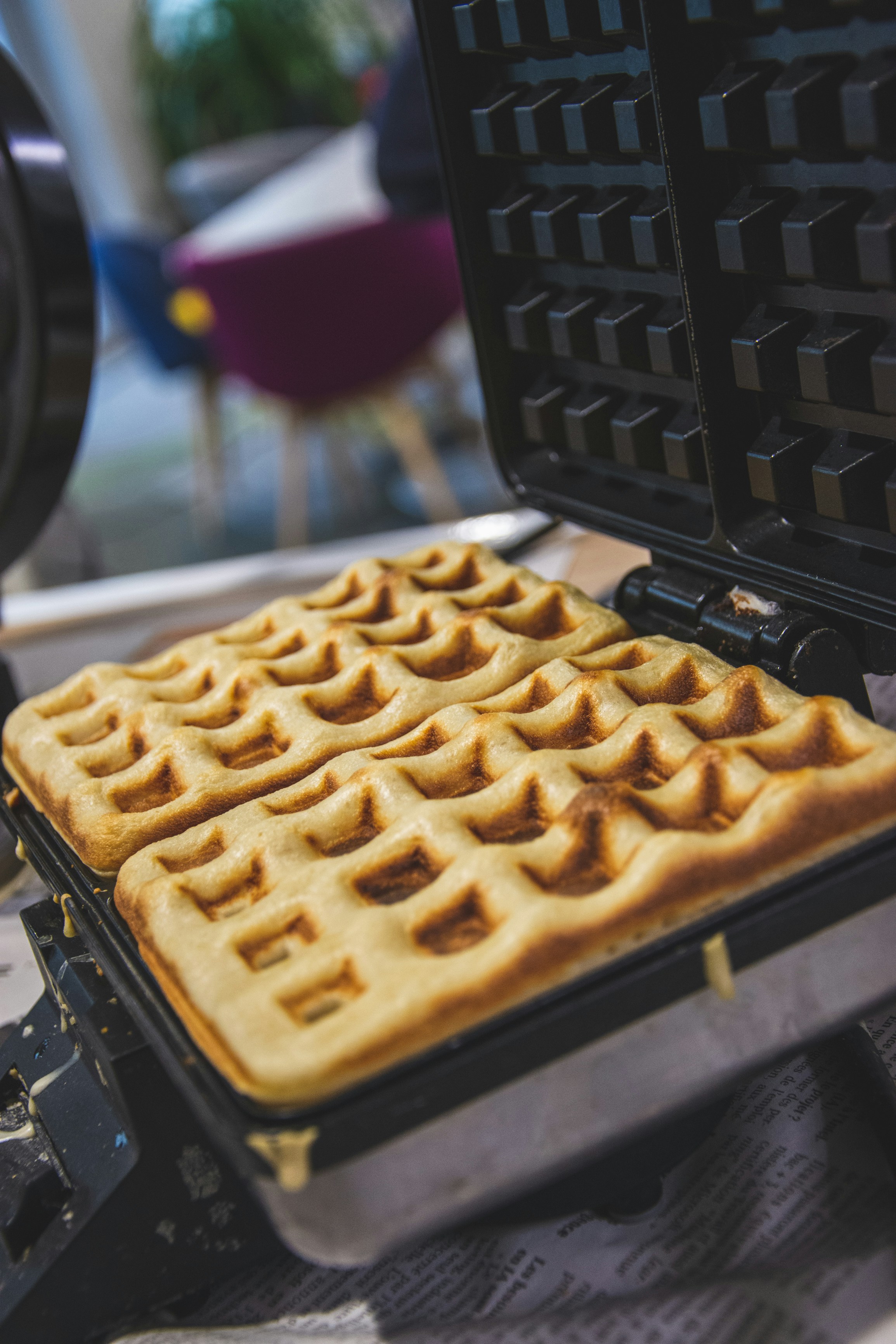
Introduction to Automated Waffle Making
The automated waffle-making industry represents a fascinating intersection of culinary tradition and technological innovation. The origins of automated waffle makers can be traced back to the early 20th century when the first electric waffle irons were introduced. These initial machines provided a new level of convenience for home cooks, allowing them to prepare waffles with minimal effort. As technology evolved, so did the design and functionality of these appliances, leading to the rise of automated waffle-making systems.
In recent years, advancements in automation and smart kitchen technology have further transformed the waffle-making process. Today, many kitchen appliances are equipped with digital interfaces, programmable settings, and even wi-fi connectivity. These features allow users to customize their waffle-making experience by adjusting cooking times, temperatures, and even recipe parameters through mobile applications. The ability to create perfectly cooked waffles at the touch of a button offers significant advantages in terms of speed and convenience.
Moreover, automated waffle makers can cater to various dietary preferences and tastes. With the increased availability of gluten-free batters and organic ingredients, cooking systems are designed to accommodate an expanding range of consumer needs. This adaptability not only enhances user satisfaction but also promotes the inclusion of waffles in a wider array of meals beyond traditional breakfast settings.
The transition from manual to automated waffle-making signifies a broader trend in the food industry, wherein technology continuously enhances our efficiency and experience in the kitchen. However, with such advancements, unexpected complications may arise, as exemplified by Cynthia’s waffle-making catastrophe. This incident illustrates the potential pitfalls even the most advanced systems can encounter while highlighting the ever-present human element in cooking.
Cynthia’s Enthusiasm for Automation
Cynthia’s journey into the world of modern kitchen gadgets illustrates her unwavering enthusiasm for culinary technology. An avid home cook, she has long sought ways to streamline her cooking process and enhance the quality of her meals. When she stumbled upon the automated waffle maker, it sparked a sense of excitement and inspired a dream of effortless breakfast perfection. The promise of creating golden-brown, fluffy waffles with minimal effort was incredibly appealing to her.
The allure of automation in the kitchen has captivated many who share Cynthia’s passion. This innovation offers convenience, ensuring that busy schedules do not compromise the joy of cooking. For Cynthia, the automated waffle maker represented a significant step toward achieving that ideal balance. Her research revealed numerous features tailored for the modern cook, such as pre-programmed settings that promised consistency and precision. With the ability to customize batter recipes and the convenience of minimal clean-up, her initial high hopes were soaring.
Cynthia envisioned leisurely Sunday mornings, relishing homemade waffles without the labor traditionally associated with their preparation. As her excitement grew, she eagerly anticipated the moment the machine would arrive. Impressively, she imagined hosting brunches and impressing family and friends with effortlessly prepared waffles, elevating even the simplest of gatherings.
When Cynthia made the decision to invest in the automated waffle maker, her motivations stemmed not only from her love of cooking but also from a desire for innovation. She had embraced technology, recognizing that a well-designed kitchen gadget could transform her culinary experiences. However, as she would later discover, the journey toward waffle perfection was fraught with challenges, contrasting sharply with her initial expectations.
Unpacking the Waffle Machine: Expectations vs. Reality
When Cynthia decided to invest in an automated waffle maker, her expectations were sky-high. The sleek packaging promised an array of features that catered to a variety of culinary preferences. She anticipated a device that would revolutionize her breakfast routine, delivering perfectly golden waffles at the touch of a button. The promotional materials highlighted features such as a non-stick cooking surface, adjustable temperature settings, and multiple waffle sizes available, sparking visions of endless brunch possibilities for friends and family.
Upon unpacking the waffle maker, Cynthia was immediately struck by its modern design. The stainless-steel finish and robust construction suggested a quality product that could withstand the rigors of regular use. However, as she examined the control panel, excitement waned slightly. The abundance of buttons and indicator lights seemed complicated, causing her to question whether the device would be as user-friendly as advertised. Despite these concerns, she was determined to persevere, eager to unleash her culinary creativity.
Unpacking the machine, Cynthia meticulously reviewed the included instruction manual, which boasted several recipes tailored specifically for the appliance. Her optimism was reignited, imagining flavorful variations from classic buttermilk to innovative options like chocolate chip or blueberry-infused waffles. Yet, a lingering skepticism remained in the back of her mind regarding the ease of navigating the various functions.
As her anticipation built, Cynthia prepared for her inaugural usage, driven by the unwavering belief that she would achieve the crowning glory of her breakfast endeavors. Her enthusiasm painted an optimistic picture of waffle-making simplicity, blissfully unaware of the series of challenges that awaited her in the unforgiving reality of this automated kitchen gadget. Ultimately, her journey with the waffle maker would test the limits of her expectations and uncover the true nature of automated cooking.
The First Attempt: Chaos in the Kitchen
The morning of Cynthia’s ambitious endeavor to create perfect waffles using her newly acquired automated waffle maker began with enthusiasm. Upon unboxing the machine, she was met with an assortment of attachments and a thick instruction manual that gave rise to her initial confusion. The numerous buttons and settings appeared overwhelming, only adding to her anxiety about attempting to utilize the complex technology. Despite her reservations, she decided to forge ahead, convinced that the device would simplify the cooking process.
With the machine plugged in, Cynthia gathered the necessary ingredients as outlined in the manual, including flour, eggs, and milk. However, her interpretation of the recommended measurements proved to be a point of contention. Rather than meticulously following the guidelines, she opted for an improvisational approach, which allowed her creativity to flourish but ultimately led to an unforeseen chaos. As she mixed the batter, she realized that she had neglected to measure the flour accurately, resulting in an inconsistent mixture.
Once the batter was prepared, she carefully poured it into the waffle maker. Anticipation gave way to disarray when she accidentally pressed multiple buttons simultaneously, activating a range of unnecessary features. The machine whirred and beeped in response, as steam began to escape from the sides, prompting her immediate concern. Instead of crafting delicious, golden-brown waffles, the automated machine became an unpredictable entity, spewing batter everywhere as it struggled to contain the excess.
The adventure quickly spiraled as the kitchen became a gallery of scattered ingredients and overflowing batter. Cynthia’s dreams of elegant waffles were replaced by a frantic race to contain the chaos. Unfortunately, her initial attempt with the automated waffle maker devolved into a messy experience. Ultimately, this escapade underscored the complexity of relying heavily on technology for culinary endeavors, particularly when one is unfamiliar with the nuances of usage.
The Waffle Catastrophe: A Culinary Disaster
The ambitious pursuit of culinary perfection often leads home cooks down a path fraught with unforeseen challenges, as was the case with Cynthia and her automated waffle-making endeavor. Initially, her kitchen was transformed into a haven of promise, with gleaming gadgets that seemed to guarantee flawless results. However, the stark reality soon shattered her hopes. As the aroma of fresh batter filled the air, expectations soared, but they quickly plummeted when the automated machine faltered unexpectedly.
What began as a seemingly simple operation quickly spiraled into a chaotic scene. The first batch of waffles emerged from the machine, but instead of the golden perfection she had envisioned, they were charred and misshapen. Each subsequent attempt resulted in a cascade of failures. The machine’s timer malfunctioned, causing Cynthia to leave the waffles cooking for too long, subsequently turning them into a sticky, blackened mass. The kitchen transformed into a battlefield, with sprinkles of flour dust covering countertops, and remnants of burnt waffle batter splattered across every visible surface.
Her expectations were in stark contrast to the overwhelming reality, leading to utter dismay. While automated kitchen appliances promise ease and efficiency, Cynthia’s experience highlighted how technological reliance can backfire. The machine’s continued breakdowns and her inability to adapt to the situation underscored the unpredictability of culinary arts. Amidst the chaos, her frustration grew as she wrestled with the machine, exacerbating the disorder in her kitchen. In what was intended to be an enjoyable cooking experience, the hope of automation fell victim to reality, and Cynthia was left contemplating the true nature of her effortless culinary aspirations.
Lessons Learned: Embracing Imperfection
Throughout the journey of my automated waffle-making experience, I encountered several challenges that ultimately contributed to my growth as a home cook. One of the most profound lessons was the importance of embracing imperfection in the kitchen. Cooking is an art form that thrives on experimentation, and with each attempt, I discovered that even less-than-perfect results could yield delightful and unexpected flavors. This realization led me to understand that aspiring for perfection often limits creativity; instead, I learned to appreciate the various outcomes produced by my waffle maker.
Additionally, my experience taught me the need for patience when integrating new technology into established cooking practices. The automated waffle maker seemed like a solution to streamline my breakfast routine, but I quickly learned that technology requires an understanding of its nuances. I encountered numerous technical glitches, from incorrect temperatures to uneven batter distribution. Each hurdle was a reminder that technological tools, while helpful, are not infallible. Patience became essential; I realized that investing time in understanding how to read these machines and their quirks ultimately improved the result.
Finally, I came to appreciate the value of mistakes as learning opportunities. Each failed attempt was not merely a setback but a stepping stone towards a better outcome. By keeping a log of my cooking errors and noting the adjustments needed for next attempts, I cultivated a mindset focused on growth. These reflections highlighted that mistakes in cooking are not to be feared; they form the foundation of culinary mastery. In essence, my waffle-making adventure underscored critical lessons about embracing imperfection, exercising patience in the face of new challenges, and viewing failures as essential ingredients for success.
Revisiting Tradition: Making Waffles the Old-Fashioned Way
In the wake of her automated waffle-making catastrophe, Cynthia found herself reflecting deeply on the values of traditional cooking methods. This reflection led her to consider not only the shortcomings of her previous reliance on technology but also the fundamental joys that accompany the age-old practice of making waffles from scratch. The experience prompted a newfound appreciation for the artistry and culinary skill involved in manual cooking techniques.
The journey back to old-fashioned waffle-making began with gathering quality ingredients. Cynthia soon realized that the foundation of any great dish is a blend of fresh, wholesome components. By prioritizing high-quality flour, farm-fresh eggs, and natural sweeteners, she found that the taste and texture of her waffles improved significantly. This return to basics not only enhanced the flavor but also provided a rewarding sense of accomplishment as she meticulously measured, mixed, and poured her ingredients.
Moreover, manual waffle-making enabled Cynthia to connect with the food on a personal level. Each step, from whisking the batter to pouring it into the heated iron, became an opportunity for creativity. Unlike the automated process that eliminated the nuances of traditional cooking, her hands-on approach allowed her to experiment with different flavors and textures. She started incorporating unique ingredients, such as buttermilk and vanilla extract, which personalized her waffle creations.
Furthermore, the act of cooking evolved from a task to a cherished ritual. As she stood in her kitchen, the aroma of freshly cooked waffles enveloped her, stirring nostalgic memories of family breakfasts. The mindful process of making waffles became a source of joy and relaxation, contrasting sharply with the stress that the automated machine had instigated. By embracing this hands-on approach, Cynthia not only restored her love for cooking but also rediscovered the significance of culinary traditions that have endured through generations.
The Future of Waffle Making: A Blend of Technology and Tradition
The evolution of waffle-making technology holds vast potential for enhancing culinary experiences while maintaining the integrity of traditional methods. As machines become increasingly sophisticated, they offer heightened precision in cooking, ensuring that waffles are consistently crisp on the outside while remaining fluffy inside. However, the story of Cynthia and her automated waffle-making mishap serves as a poignant reminder of the importance of human touch in culinary arts, prompting a crucial dialogue about the integration of technology in food preparation.
In the realm of food technology, innovations such as smart waffle makers equipped with app connectivity are emerging. These devices can suggest recipes, adjust cooking times automatically, and even alert users when waffles are ready. While such advancements can simplify the waffle-making process, they may also distance cooks from the joy of hands-on preparation. It is essential for future developments in waffle-making technology to incorporate elements that foster creativity and personalization, allowing enthusiasts to add their flair to this beloved dish.
Moreover, the fusion of technology with traditional methods can yield promising results. For instance, chefs and home cooks might consider utilizing high-tech tools alongside conventional techniques. This might involve using automated mixers for batter preparation while employing an old-fashioned iron to achieve that authentic crispy texture. As Cynthia’s experience illustrates, finding a balance between embracing automation and honoring tradition is vital. This hybrid approach not only elevates the cooking experience but also cultivates a deeper appreciation for the process and history behind waffle making.
Ultimately, the future of waffle-making technology lies in crafting a synthesis that respects the past while embracing the possibilities of the future. As culinary enthusiasts navigate through these advancements, they are encouraged to explore their own balance, allowing technology to complement rather than replace the artistry involved in making exquisite waffles.
Conclusion: A Waffle Journey Worth Sharing
The story of Cynthia and her automated waffle-making endeavor serves as a humorous reflection on the complexities of modern cooking. Initially excited by the promise of technological advancement, Cynthia’s journey began with a sense of anticipation. The allure of effortlessly producing waffles, combined with the desire to impress friends and family, propelled her into the world of automated baking. However, as her experience unfolded, it became increasingly clear that the automation she sought could not replace the soul and skill ingrained in traditional cooking.
Cynthia’s mishaps in the kitchen, whether it was batter overflowing or waffles not cooking properly, highlight a universal truth about the culinary arts: kitchen disasters are, in fact, part of the learning process. The humorous anecdotes from her attempts to harness technology ultimately resonated with many, reminding readers that making mistakes is a key component of any cooking journey. This narrative not only underscores Cynthia’s relatable experiences but also invites others to share their own kitchen stories, regardless of the outcome.
In essence, the decline of Cynthia’s reliance on an automated waffle-maker led her to rediscover the joy of cooking as a hands-on, collaborative experience. The act of making waffles became synonymous with tradition, this journey reinforcing the idea that some things are best created with care and personal touch. As such, this saga demonstrates that while technology offers convenience, it cannot replicate the rich, intimate experience of home cooking. Therefore, readers are encouraged to embrace their culinary journeys, experiment, and, when necessary, even laugh at the beautiful chaos that cooking can sometimes bring.