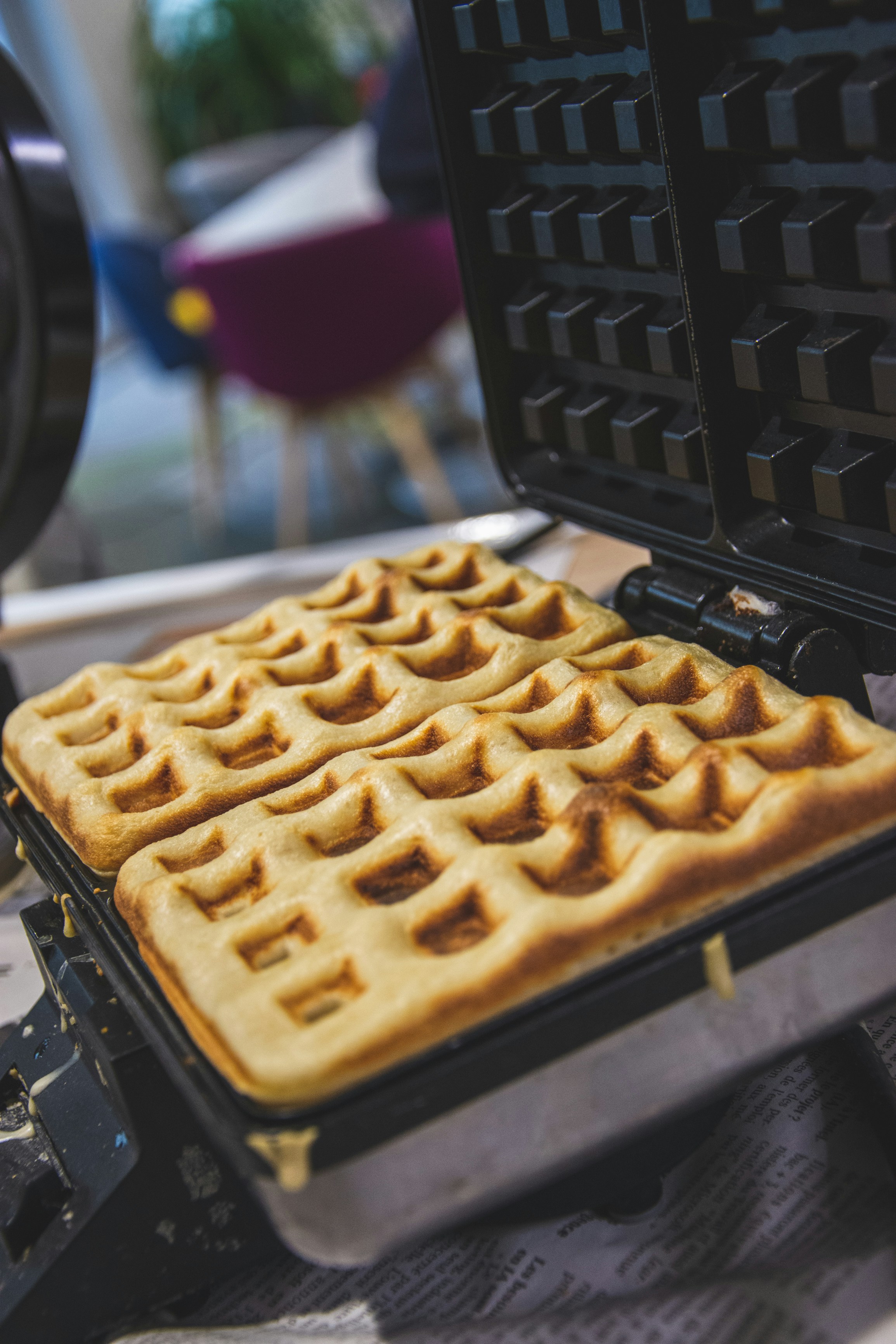
Introduction to Automated Waffle Making
The automated waffle-making industry represents a fascinating intersection of culinary tradition and technological innovation. The origins of automated waffle makers can be traced back to the early 20th century when the first electric waffle irons were introduced. These initial machines provided a new level of convenience for home cooks, allowing them to prepare waffles with minimal effort. As technology evolved, so did the design and functionality of these appliances, leading to the rise of automated waffle-making systems.
In recent years, advancements in automation and smart kitchen technology have further transformed the waffle-making process. Today, many kitchen appliances are equipped with digital interfaces, programmable settings, and even wi-fi connectivity. These features allow users to customize their waffle-making experience by adjusting cooking times, temperatures, and even recipe parameters through mobile applications. The ability to create perfectly cooked waffles at the touch of a button offers significant advantages in terms of speed and convenience.
Moreover, automated waffle makers can cater to various dietary preferences and tastes. With the increased availability of gluten-free batters and organic ingredients, cooking systems are designed to accommodate an expanding range of consumer needs. This adaptability not only enhances user satisfaction but also promotes the inclusion of waffles in a wider array of meals beyond traditional breakfast settings.
The transition from manual to automated waffle-making signifies a broader trend in the food industry, wherein technology continuously enhances our efficiency and experience in the kitchen. However, with such advancements, unexpected complications may arise, as exemplified by Cynthia’s waffle-making catastrophe. This incident illustrates the potential pitfalls even the most advanced systems can encounter while highlighting the ever-present human element in cooking.
Cynthia’s Enthusiasm for Automation
Cynthia’s journey into the world of modern kitchen gadgets illustrates her unwavering enthusiasm for culinary technology. An avid home cook, she has long sought ways to streamline her cooking process and enhance the quality of her meals. When she stumbled upon the automated waffle maker, it sparked a sense of excitement and inspired a dream of effortless breakfast perfection. The promise of creating golden-brown, fluffy waffles with minimal effort was incredibly appealing to her.
The allure of automation in the kitchen has captivated many who share Cynthia’s passion. This innovation offers convenience, ensuring that busy schedules do not compromise the joy of cooking. For Cynthia, the automated waffle maker represented a significant step toward achieving that ideal balance. Her research revealed numerous features tailored for the modern cook, such as pre-programmed settings that promised consistency and precision. With the ability to customize batter recipes and the convenience of minimal clean-up, her initial high hopes were soaring.
Cynthia envisioned leisurely Sunday mornings, relishing homemade waffles without the labor traditionally associated with their preparation. As her excitement grew, she eagerly anticipated the moment the machine would arrive. Impressively, she imagined hosting brunches and impressing family and friends with effortlessly prepared waffles, elevating even the simplest of gatherings.
When Cynthia made the decision to invest in the automated waffle maker, her motivations stemmed not only from her love of cooking but also from a desire for innovation. She had embraced technology, recognizing that a well-designed kitchen gadget could transform her culinary experiences. However, as she would later discover, the journey toward waffle perfection was fraught with challenges, contrasting sharply with her initial expectations.
Unpacking the Waffle Machine: Expectations vs. Reality
When Cynthia decided to invest in an automated waffle maker, her expectations were sky-high. The sleek packaging promised an array of features that catered to a variety of culinary preferences. She anticipated a device that would revolutionize her breakfast routine, delivering perfectly golden waffles at the touch of a button. The promotional materials highlighted features such as a non-stick cooking surface, adjustable temperature settings, and multiple waffle sizes available, sparking visions of endless brunch possibilities for friends and family.
Upon unpacking the waffle maker, Cynthia was immediately struck by its modern design. The stainless-steel finish and robust construction suggested a quality product that could withstand the rigors of regular use. However, as she examined the control panel, excitement waned slightly. The abundance of buttons and indicator lights seemed complicated, causing her to question whether the device would be as user-friendly as advertised. Despite these concerns, she was determined to persevere, eager to unleash her culinary creativity.
Unpacking the machine, Cynthia meticulously reviewed the included instruction manual, which boasted several recipes tailored specifically for the appliance. Her optimism was reignited, imagining flavorful variations from classic buttermilk to innovative options like chocolate chip or blueberry-infused waffles. Yet, a lingering skepticism remained in the back of her mind regarding the ease of navigating the various functions.
As her anticipation built, Cynthia prepared for her inaugural usage, driven by the unwavering belief that she would achieve the crowning glory of her breakfast endeavors. Her enthusiasm painted an optimistic picture of waffle-making simplicity, blissfully unaware of the series of challenges that awaited her in the unforgiving reality of this automated kitchen gadget. Ultimately, her journey with the waffle maker would test the limits of her expectations and uncover the true nature of automated cooking.
The First Attempt: Chaos in the Kitchen
The morning of Cynthia’s ambitious endeavor to create perfect waffles using her newly acquired automated waffle maker began with enthusiasm. Upon unboxing the machine, she was met with an assortment of attachments and a thick instruction manual that gave rise to her initial confusion. The numerous buttons and settings appeared overwhelming, only adding to her anxiety about attempting to utilize the complex technology. Despite her reservations, she decided to forge ahead, convinced that the device would simplify the cooking process.
With the machine plugged in, Cynthia gathered the necessary ingredients as outlined in the manual, including flour, eggs, and milk. However, her interpretation of the recommended measurements proved to be a point of contention. Rather than meticulously following the guidelines, she opted for an improvisational approach, which allowed her creativity to flourish but ultimately led to an unforeseen chaos. As she mixed the batter, she realized that she had neglected to measure the flour accurately, resulting in an inconsistent mixture.
Once the batter was prepared, she carefully poured it into the waffle maker. Anticipation gave way to disarray when she accidentally pressed multiple buttons simultaneously, activating a range of unnecessary features. The machine whirred and beeped in response, as steam began to escape from the sides, prompting her immediate concern. Instead of crafting delicious, golden-brown waffles, the automated machine became an unpredictable entity, spewing batter everywhere as it struggled to contain the excess.
The adventure quickly spiraled as the kitchen became a gallery of scattered ingredients and overflowing batter. Cynthia’s dreams of elegant waffles were replaced by a frantic race to contain the chaos. Unfortunately, her initial attempt with the automated waffle maker devolved into a messy experience. Ultimately, this escapade underscored the complexity of relying heavily on technology for culinary endeavors, particularly when one is unfamiliar with the nuances of usage.
The Waffle Catastrophe: A Culinary Disaster
The ambitious pursuit of culinary perfection often leads home cooks down a path fraught with unforeseen challenges, as was the case with Cynthia and her automated waffle-making endeavor. Initially, her kitchen was transformed into a haven of promise, with gleaming gadgets that seemed to guarantee flawless results. However, the stark reality soon shattered her hopes. As the aroma of fresh batter filled the air, expectations soared, but they quickly plummeted when the automated machine faltered unexpectedly.
What began as a seemingly simple operation quickly spiraled into a chaotic scene. The first batch of waffles emerged from the machine, but instead of the golden perfection she had envisioned, they were charred and misshapen. Each subsequent attempt resulted in a cascade of failures. The machine’s timer malfunctioned, causing Cynthia to leave the waffles cooking for too long, subsequently turning them into a sticky, blackened mass. The kitchen transformed into a battlefield, with sprinkles of flour dust covering countertops, and remnants of burnt waffle batter splattered across every visible surface.
Her expectations were in stark contrast to the overwhelming reality, leading to utter dismay. While automated kitchen appliances promise ease and efficiency, Cynthia’s experience highlighted how technological reliance can backfire. The machine’s continued breakdowns and her inability to adapt to the situation underscored the unpredictability of culinary arts. Amidst the chaos, her frustration grew as she wrestled with the machine, exacerbating the disorder in her kitchen. In what was intended to be an enjoyable cooking experience, the hope of automation fell victim to reality, and Cynthia was left contemplating the true nature of her effortless culinary aspirations.
Lessons Learned: Embracing Imperfection
Throughout the journey of my automated waffle-making experience, I encountered several challenges that ultimately contributed to my growth as a home cook. One of the most profound lessons was the importance of embracing imperfection in the kitchen. Cooking is an art form that thrives on experimentation, and with each attempt, I discovered that even less-than-perfect results could yield delightful and unexpected flavors. This realization led me to understand that aspiring for perfection often limits creativity; instead, I learned to appreciate the various outcomes produced by my waffle maker.
Additionally, my experience taught me the need for patience when integrating new technology into established cooking practices. The automated waffle maker seemed like a solution to streamline my breakfast routine, but I quickly learned that technology requires an understanding of its nuances. I encountered numerous technical glitches, from incorrect temperatures to uneven batter distribution. Each hurdle was a reminder that technological tools, while helpful, are not infallible. Patience became essential; I realized that investing time in understanding how to read these machines and their quirks ultimately improved the result.
Finally, I came to appreciate the value of mistakes as learning opportunities. Each failed attempt was not merely a setback but a stepping stone towards a better outcome. By keeping a log of my cooking errors and noting the adjustments needed for next attempts, I cultivated a mindset focused on growth. These reflections highlighted that mistakes in cooking are not to be feared; they form the foundation of culinary mastery. In essence, my waffle-making adventure underscored critical lessons about embracing imperfection, exercising patience in the face of new challenges, and viewing failures as essential ingredients for success.
Revisiting Tradition: Making Waffles the Old-Fashioned Way
In the wake of her automated waffle-making catastrophe, Cynthia found herself reflecting deeply on the values of traditional cooking methods. This reflection led her to consider not only the shortcomings of her previous reliance on technology but also the fundamental joys that accompany the age-old practice of making waffles from scratch. The experience prompted a newfound appreciation for the artistry and culinary skill involved in manual cooking techniques.
The journey back to old-fashioned waffle-making began with gathering quality ingredients. Cynthia soon realized that the foundation of any great dish is a blend of fresh, wholesome components. By prioritizing high-quality flour, farm-fresh eggs, and natural sweeteners, she found that the taste and texture of her waffles improved significantly. This return to basics not only enhanced the flavor but also provided a rewarding sense of accomplishment as she meticulously measured, mixed, and poured her ingredients.
Moreover, manual waffle-making enabled Cynthia to connect with the food on a personal level. Each step, from whisking the batter to pouring it into the heated iron, became an opportunity for creativity. Unlike the automated process that eliminated the nuances of traditional cooking, her hands-on approach allowed her to experiment with different flavors and textures. She started incorporating unique ingredients, such as buttermilk and vanilla extract, which personalized her waffle creations.
Furthermore, the act of cooking evolved from a task to a cherished ritual. As she stood in her kitchen, the aroma of freshly cooked waffles enveloped her, stirring nostalgic memories of family breakfasts. The mindful process of making waffles became a source of joy and relaxation, contrasting sharply with the stress that the automated machine had instigated. By embracing this hands-on approach, Cynthia not only restored her love for cooking but also rediscovered the significance of culinary traditions that have endured through generations.
The Future of Waffle Making: A Blend of Technology and Tradition
The evolution of waffle-making technology holds vast potential for enhancing culinary experiences while maintaining the integrity of traditional methods. As machines become increasingly sophisticated, they offer heightened precision in cooking, ensuring that waffles are consistently crisp on the outside while remaining fluffy inside. However, the story of Cynthia and her automated waffle-making mishap serves as a poignant reminder of the importance of human touch in culinary arts, prompting a crucial dialogue about the integration of technology in food preparation.
In the realm of food technology, innovations such as smart waffle makers equipped with app connectivity are emerging. These devices can suggest recipes, adjust cooking times automatically, and even alert users when waffles are ready. While such advancements can simplify the waffle-making process, they may also distance cooks from the joy of hands-on preparation. It is essential for future developments in waffle-making technology to incorporate elements that foster creativity and personalization, allowing enthusiasts to add their flair to this beloved dish.
Moreover, the fusion of technology with traditional methods can yield promising results. For instance, chefs and home cooks might consider utilizing high-tech tools alongside conventional techniques. This might involve using automated mixers for batter preparation while employing an old-fashioned iron to achieve that authentic crispy texture. As Cynthia’s experience illustrates, finding a balance between embracing automation and honoring tradition is vital. This hybrid approach not only elevates the cooking experience but also cultivates a deeper appreciation for the process and history behind waffle making.
Ultimately, the future of waffle-making technology lies in crafting a synthesis that respects the past while embracing the possibilities of the future. As culinary enthusiasts navigate through these advancements, they are encouraged to explore their own balance, allowing technology to complement rather than replace the artistry involved in making exquisite waffles.
Conclusion: A Waffle Journey Worth Sharing
The story of Cynthia and her automated waffle-making endeavor serves as a humorous reflection on the complexities of modern cooking. Initially excited by the promise of technological advancement, Cynthia’s journey began with a sense of anticipation. The allure of effortlessly producing waffles, combined with the desire to impress friends and family, propelled her into the world of automated baking. However, as her experience unfolded, it became increasingly clear that the automation she sought could not replace the soul and skill ingrained in traditional cooking.
Cynthia’s mishaps in the kitchen, whether it was batter overflowing or waffles not cooking properly, highlight a universal truth about the culinary arts: kitchen disasters are, in fact, part of the learning process. The humorous anecdotes from her attempts to harness technology ultimately resonated with many, reminding readers that making mistakes is a key component of any cooking journey. This narrative not only underscores Cynthia’s relatable experiences but also invites others to share their own kitchen stories, regardless of the outcome.
In essence, the decline of Cynthia’s reliance on an automated waffle-maker led her to rediscover the joy of cooking as a hands-on, collaborative experience. The act of making waffles became synonymous with tradition, this journey reinforcing the idea that some things are best created with care and personal touch. As such, this saga demonstrates that while technology offers convenience, it cannot replicate the rich, intimate experience of home cooking. Therefore, readers are encouraged to embrace their culinary journeys, experiment, and, when necessary, even laugh at the beautiful chaos that cooking can sometimes bring.
The Birth of Video Games: 1950s-1970s
The origins of video games can be traced back to the mid-20th century, a period marked by significant advancements in computing technology. The 1950s and 1960s witnessed early experiments with computer programming, which laid the groundwork for the interactive entertainment we know today. Among the pioneering efforts was the creation of simple games that would eventually evolve into the complex titles dominating the industry.
One notable example is "Tennis for Two," developed by physicist William Higinbotham in 1958. This game was played on an oscilloscope and simulated the game of tennis, providing a glimpse into the potential of electronic gaming. Even though rudimentary, it demonstrated how computers could be utilized to create engaging user experiences. Another milestone was "Spacewar!" in 1962, a two-player space combat simulation that paved the way for future multiplayer gaming systems.
The 1970s marked a significant leap forward in the gaming landscape, largely influenced by the release of arcade machines. The launch of "Pong" in 1972, developed by Atari co-founder Nolan Bushnell, exemplifies this transformation. This table-tennis simulation became immensely popular in arcades and served as the first commercially successful video game. It illustrated how interactive entertainment could attract a broader audience, thus laying the foundation for the fast-growing gaming industry.
The technology of this era also progressed rapidly, leading to the development of home consoles. Systems like the Magnavox Odyssey, launched in 1972, generated excitement in household gaming. These early creations not only captivated the public's interest but also set the stage for future innovations in graphics, gameplay, and game design. The birth of video games during this period ultimately established a cultural phenomenon that continues to thrive.
The Rise of Home Consoles: The 1980s Boom
The 1980s marked a significant turning point in video game history, characterized by the remarkable rise of home consoles that transformed the way people interacted with gaming. At the forefront of this evolution was the Atari 2600, which had already established a strong gaming presence in the late 1970s. However, it was the introduction of the Nintendo Entertainment System (NES) in the mid-1980s that truly ignited a gaming revolution, leading to an explosion in home video game culture.
During this decade, video game consoles began making their way into households across the globe, fostering a new form of entertainment that captivated audiences of all ages. Families gathered around their television sets to experience the joys of gaming together, signaling a profound shift in leisure activities. The NES, in particular, became a household name, with its innovative design and an extensive library of games that appealed to a wide demographic. Iconic titles such as Super Mario Bros. and The Legend of Zelda not only showcased the graphics and gameplay capabilities of the NES but also laid the foundation for deeply-engaging narratives that would become a hallmark of video games in the decades to come.
This surge in popularity essentially gave rise to a distinct video game culture, characterized by game magazines, fan communities, and the burgeoning e-sports scene. Events held around popular titles drew huge crowds, further solidifying the status of gaming as a legitimate form of leisure. The era undoubtedly marked the beginning of unprecedented innovations, with countless third-party developers emerging, creating a competitive market that drove the evolution of gaming technology. With this increase in home gaming, the 1980s set the stage for a vibrant culture that continues to thrive today, laying a foundational block in the extensive history of video games.
The Crash of the Video Game Market: 1983
The early 1980s marked a significant period in the history of video games, culminating in the catastrophic market crash of 1983. Various factors contributed to this downturn, beginning with the oversaturation of the video game market. During this time, numerous companies entered the industry, spurred by the rapid success of the video game phenomenon. This unchecked inflow led to a flood of titles, many of which were of notably poor quality. As consumers were inundated with countless subpar games, public interest began to wane.
Additionally, the gaming landscape was shifting, as consumer preferences evolved. The advent of home computers offered a new, sophisticated means of entertainment that captivated audiences. Unlike most console games that relied on simplistic graphics and gameplay mechanics, personal computers began to provide more robust experiences, featuring intricate storylines and enhanced graphics capabilities. This transition significantly diminished demand for traditional video game consoles and contributed to the dwindling sales that plagued the industry.
The ramifications of the 1983 video game crash were profound. Many of the prominent companies of the time, such as Atari, faced bankruptcy as they struggled to adapt to the changing market. The collapse resulted in a certain level of stigma surrounding video gaming, causing advertisers and retailers to shy away from what had once been a booming market. Fortunately, this downturn also paved the way for future innovation. It eventually led to a period of reevaluation within the industry, setting the stage for the resurgence of video games through rigorous quality control and the emergence of new, pioneering companies. Indeed, the video game crash became a pivotal moment in the history of gaming, highlighting the importance of quality and consumer engagement in a rapidly evolving field.
The 16-Bit Revolution: Mid-1980s to Early 1990s
During the transition from the 8-bit era to the 16-bit revolution, an unmistakable shift occurred in the world of video gaming. This period, which spanned from the mid-1980s to the early 1990s, witnessed advancements that profoundly transformed both the hardware and the gaming experience. The introduction of 16-bit consoles, particularly the Sega Genesis and the Super Nintendo Entertainment System (SNES), set new standards for graphics, sound, and gameplay, contributing significantly to the popularity of video games.
One of the most notable changes was in graphical fidelity. The 16-bit consoles allowed for a wider color palette and more detailed sprite animations, which enhanced the visual appeal of games. Titles such as Super Mario World and Sonic the Hedgehog emerged during this time, showcasing the potential of 16-bit graphics. These games not only pushed technological boundaries but also laid the foundation for character-driven narratives, a significant evolution in game design.
The audio experience also evolved dramatically with the 16-bit transition. Prior to this period, video game soundtracks were limited by technological constraints. However, with the introduction of superior sound chips, composers began to craft more elaborate and memorable scores. This shift not only enriched the gaming atmosphere but also gave rise to iconic themes that are still celebrated by fans today.
Furthermore, the focus on franchises and character development became more pronounced during this era. Games began to feature recurring characters and interconnected stories, fostering a sense of continuity and loyalty among players. Titles like The Legend of Zelda: A Link to the Past and numerous fighting game franchises exemplified this trend, showcasing how the legacy of characters could drive a game's lasting appeal.
The Advent of 3D Gaming: 1990s Innovations
The 1990s marked a significant turning point in the landscape of video gaming, primarily driven by the advent of 3D graphics. This evolution changed how players interacted with their virtual environments, delivering more immersive experiences than ever before. One of the landmark releases during this era was Doom, which made its debut in 1993. This title not only popularized the first-person shooter genre but also introduced players to a fully-rendered 3D world, giving them the autonomy to navigate through its complex mazes armed with an array of weapons. The innovative technology behind Doom laid the foundation for what would come to define gaming in the following years.
Another critical development occurred with the launch of Final Fantasy VII in 1997. This Japanese role-playing game was pivotal in introducing a rich narrative combined with 3D graphics that allowed for cinematic storytelling. Players could now engage in an emotionally-driven journey, featuring well-developed characters and interactive environments. The use of pre-rendered backgrounds juxtaposed with 3D models expanded the possibilities of game design, allowing developers to create visually stunning and narratively rich worlds.
Super Mario 64, released in 1996, also played a crucial role in the transition to 3D gaming. It was one of the first games to successfully utilize three-dimensional gameplay mechanics. Players were granted a level of freedom in movement that was unprecedented, allowing them to explore vivid landscapes from various angles. The combination of innovative camera mechanics and gameplay design not only redefined platform gaming but also set new standards for future 3D titles.
Overall, the innovations that flourished in the 1990s paved the way for a new era of gaming. With the emergence of consoles like the Sony PlayStation, 3D gaming became more accessible to the general populace, solidifying its impact on game design, storytelling, and gameplay mechanics. As the industry continued to evolve, the foundations laid in this decade would influence countless future developments in gaming technology.
The Online Gaming Revolution: Late 1990s to Early 2000s
In the late 1990s, the landscape of video gaming began to shift dramatically with the advent of online gaming. The proliferation of the internet during this period enabled gamers to connect with one another in ways that had previously been unimaginable. This new era introduced a range of multiplayer capabilities that revolutionized how video games were played, fostering a sense of community and competition among players across the globe.
PC gaming was at the forefront of this transformation, with titles such as 'Counter-Strike' and 'Quake III Arena' establishing themselves as exemplars of online multiplayer experiences. These games not only emphasized skill and strategy but also poised players against each other in adrenaline-filled matches. The rise of platforms such as Blizzard’s Battle.net further facilitated this shift by enabling users to engage with friends and strangers alike, laying the groundwork for future online gaming ecosystems.
However, it was the emergence of Massively Multiplayer Online Games (MMOs) that truly defined this period. 'EverQuest,' released in 1999, is often credited with popularizing the MMO genre, allowing thousands of players to inhabit the same virtual world simultaneously. This game set the stage for subsequent successes, notably 'World of Warcraft' in 2004, which took the gaming community by storm, amassing millions of subscribers and providing a rich, interconnected environment that encouraged social interaction.
The cultural impact of online gaming during this era cannot be understated. Online communities flourished, giving rise to forums, clans, and social networks centered around shared gaming experiences. This social aspect fostered competitive gaming, eventually leading to the eSports phenomenon. The late 1990s to early 2000s marked a pivotal shift, where gaming transitioned from solitary play to a dynamic, interactive experience that would influence countless facets of entertainment in the years to come.
Mobile Gaming and Casual Gaming: The 2000s Shift
The 2000s marked a significant turning point in the landscape of video gaming, primarily driven by the rapid advancement of mobile technology. As smartphones began to proliferate, they introduced a new platform for gaming that was more accessible than ever before. This innovation transformed the way people interacted with video games, paving the way for mobile gaming and casual gaming to become mainstream entertainment.
One of the most notable impacts of mobile gaming was the introduction of app stores, such as Apple's App Store and Google Play. These platforms provided developers with the tools to reach vast audiences with relatively low barriers to entry. As a result, we witnessed the rise of popular titles such as 'Angry Birds' and 'Candy Crush Saga'. These games epitomized the casual gaming phenomenon, offering engaging yet straightforward gameplay that appealed to a wide demographic beyond traditional gamers.
The success of these titles illustrated a shift in gaming culture, where gaming was no longer confined to dedicated consoles or PCs. Instead, it became a part of daily life, with players engaging in quick, bite-sized gaming sessions during commutes or breaks. This accessibility not only enhanced the gaming experience but also attracted a new audience, including older adults and casual players who had previously been elusive to the gaming market.
Moreover, the influence of social media and networking also transformed how games were perceived and played. Features like sharing scores, challenging friends, and social interaction created a community around mobile and casual games, which further fueled their popularity. Consequently, game developers began to focus on creating engaging, social gaming experiences that emphasized collaboration and competition.
In summary, the 2000s shift towards mobile and casual gaming fundamentally altered the gaming landscape, expanding its reach and diversifying its audience. This evolution not only reflected the changing technological environment but also challenged existing notions of what gaming could be, making it an integral aspect of contemporary digital culture.
The Modern Era: Indie Games and Streaming Culture
The transition into the modern era of video gaming has seen the emergence of independent (indie) games gaining significant traction. Unlike traditional games, which often require substantial funding from major publishers, indie games are typically developed by small teams or individual creators. This shift has been accompanied by a growing appreciation for creativity, innovation, and storytelling. Notable titles such as Braid, Undertale, and Hollow Knight showcase the depth and artistic vision that independent developers can achieve with relatively modest resources.
Braid, released in 2008, is often heralded as a pioneer of indie gaming. It challenged conventional gameplay mechanics while presenting a narrative that delved into themes of time and regret. Similarly, Undertale revolutionized storytelling in video games with its unique approach to player choices and consequences, fostering emotional connections unlike many mainstream titles. Meanwhile, Hollow Knight exemplified the quality and craftsmanship that indie games can deliver, celebrated for its intricate design and atmospheric world.
Alongside the rise of indie games, the proliferation of game streaming platforms such as Twitch has transformed how games are consumed and experienced. These platforms enable gamers to watch live gameplay, interact with streamers, and foster community bonds. This streaming culture has significantly enhanced the visibility of indie titles, allowing smaller developers to reach a broader audience without the extensive marketing budgets traditionally required. The ability to showcase gameplay in real-time has led to a dynamic word-of-mouth marketing effect, driving sales and interest.
Social media platforms further amplify these trends, providing a space for players to share their experiences, engage with content creators, and discover new games. The interactivity and immediacy of these channels create a robust gaming environment, where trends can shift rapidly. Together, the growth of indie gaming and the influence of streaming culture exemplify the evolving landscape of the video game industry, showcasing innovation and engagement like never before.
The Future of Gaming: Trends and Predictions
The gaming industry stands on the brink of significant transformation, driven by various technological advancements that are shaping its future. One of the most notable trends is the integration of Virtual Reality (VR) and Augmented Reality (AR) technologies into gaming experiences. These immersive technologies offer players an entirely new way to interact with games, moving beyond traditional interfaces. As VR and AR become more accessible and affordable, they are likely to become mainstream, enhancing realism and engagement.
Another burgeoning area is cloud gaming, which allows players to stream games directly to their devices without the need for high-end hardware. This trend facilitates access to a wider audience, enabling users with less powerful devices to partake in sophisticated gaming experiences. Major industry players are investing heavily in cloud solutions, suggesting that this model may redefine how games are distributed and monetized.
Furthermore, the rising influence of artificial intelligence (AI) in game development cannot be overstated. AI technologies are enhancing game design, from creating intelligent non-player characters (NPCs) to personalizing gaming experiences based on player behavior. By leveraging AI, developers can streamline content creation, reduce development time, and improve gameplay mechanics, thus reshaping the creative process behind games.
As the gaming landscape continues to evolve, additional trends such as cross-platform play and the diversification of game genres will likely emerge. These changes aim to foster inclusivity and enhance community engagement among players. Adapting to these trends will be crucial for developers seeking to maintain relevance in this rapidly evolving market.
In conclusion, the future of gaming is poised for notable changes driven by technological advancements such as VR, AR, cloud gaming, and AI. Embracing these trends will not only redefine gameplay but also expand the industry's reach and impact on a global scale.