Introduction to Gary’s Movie Night Plans
Meet Gary, an average guy in his mid-thirties who finds solace in the comfort of his living room after a long week. With the advent of Saturday, he has one thing on his mind—his much-anticipated movie night. Clad in his favorite, albeit slightly worn out, graphic tee and a pair of cozy sweatpants, Gary embodies the epitome of leisure. The excitement bubbles within him as he thinks about what awaits him on this special evening.
Gary’s movie night plans are simple yet delightful: a marathon of films he has been meaning to watch, stretched out on his couch with an array of snacks by his side. But as he reflects on his usual snack choices, a familiar sense of guilt creeps in. Lately, Gary has succumbed to the allure of unhealthy eating, munching on chips, chocolate bars, and sugary sodas. This indulgence, once a guilty pleasure, is now layered with the weight of his conscience, reminding him of the healthier choices he often strives to make.
As the clock ticks towards movie time, Gary grapples with this inner conflict. Should he stick to his traditional snack lineup, filled with the tantalizing crunch of chips and the creamy satisfaction of ice cream? Or is it time for a change? His mind races with possibilities, from fresh popcorn drizzled with olive oil to vibrant fruit platters that would complement the evening. Nevertheless, the comfort of familiar, flavor-packed snacks calls out enticingly, making it a difficult decision for Gary.
Setting the Scene: The Crowded Supermarket
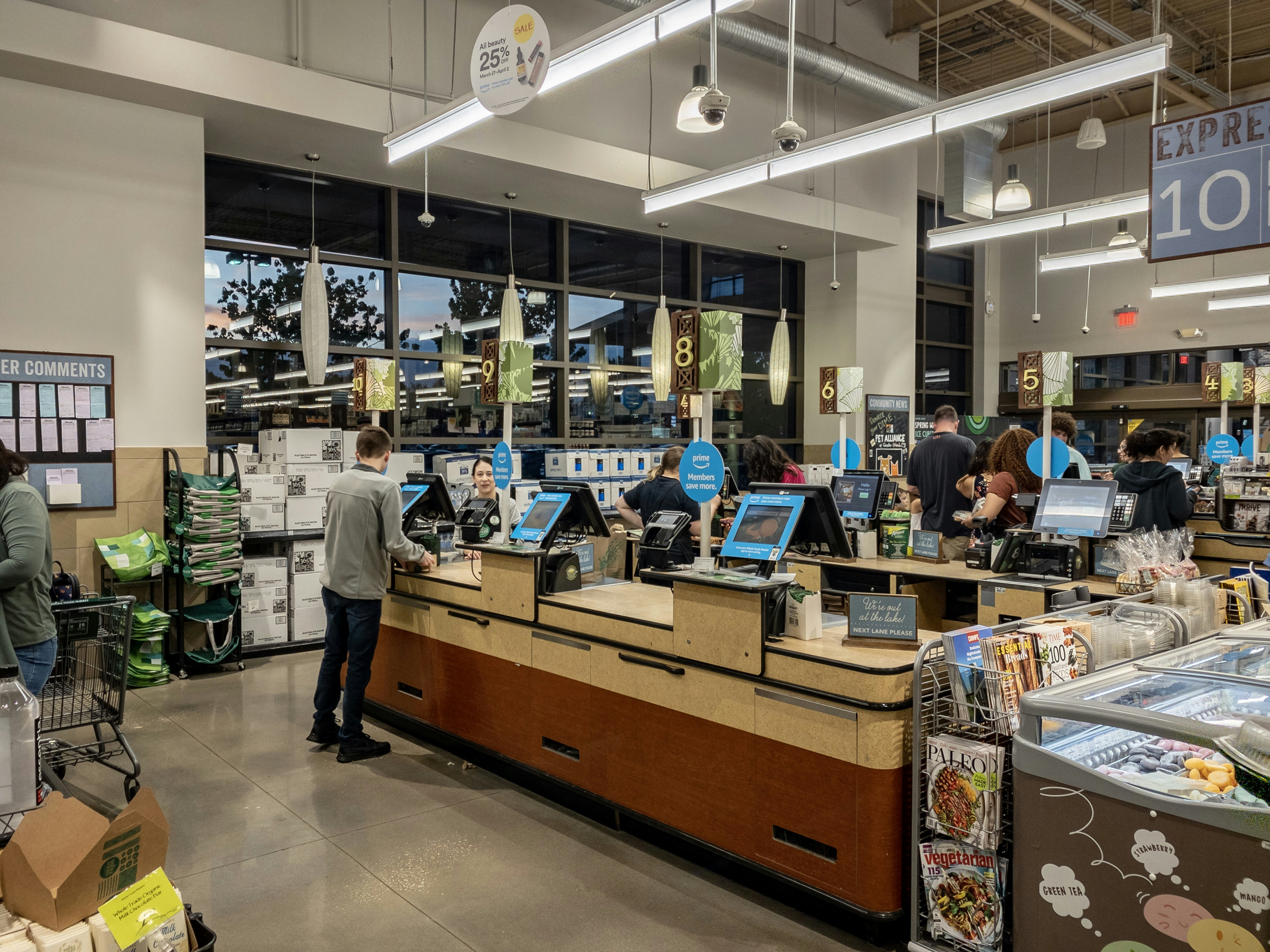
As the clock strikes six on a bustling Friday evening, the local supermarket transforms into a swirling cacophony of sound and motion. The air is filled with the sounds of shopping carts clattering against the tile floors, mixed with the rich aromas wafting from the bakery section. Neon lights flicker overhead, illuminating the vibrant displays packed with various snacks, fresh produce, and essentials. This is not merely shopping; it is a lively experience where families come together, struggling to navigate their lists while managing children’s whims.
Parting the sea of shoppers, Gary finds himself weaving through narrow aisles that seem to get narrower by the second. Parents juggle crying toddlers while attempting to shield boxes of cereal from curious hands. A group of teenagers crowded around a stand, laughing and debating which snack to try, blocks the path ahead. With a polite smile and adept maneuvering, Gary sidesteps a rogue shopping cart pushed hastily by an elderly couple, oblivious to the chaos surrounding them.
As he progresses further into the labyrinth of consumer choices, the clamor intensifies, a live symphony underscored by the beeping of checkout machines. Gary’s mission is clear; he is on a quest for his favorite snacks, which are a coveted treasure. He presses forward, dodging stray items and exuberant children, his determination unwavering.
The Friday night crowd is a blend of familiar faces and strangers, all driven by their personal errands. The colorful packaging hangs enticingly from the shelves, each product competing for attention in this vibrant marketplace. Gary expertly grabs a few items, making fast decisions about what will satisfy his cravings, all the while keeping an eye on the bustling masses around him.
Introducing Ethic-Scan: The AI Checkout System
The retail landscape is evolving, and at the forefront of this transformation is the innovative AI checkout system, Ethic-Scan. This system has been developed to not only streamline the purchasing process but also to provide a comprehensive analysis of consumer behavior through an ethical lens. Ethic-Scan’s primary purpose is to assess grocery purchases based on a range of factors, including cost, morality, environmental impact, and nutritional value.
One of the most significant features of Ethic-Scan is its ability to gauge the ethical implications of products. Shoppers are no longer faced with a simple transaction; instead, they encounter a personalized evaluation of their choices, encouraging them to consider the ramifications of their purchases. For instance, if a customer selects a snack item known for excessive packaging waste, Ethic-Scan raises a notification that prompts them to reflect on the environmental impact of their choice. Such an approach not only informs shoppers but also aims to foster a greater sense of responsibility toward sustainable consumption.
Furthermore, the system analyzes nutritional content to provide insights into healthier alternatives. By suggesting alternatives that are less calorically dense or that come from sustainable sources, Ethic-Scan serves as a health-conscious companion. This installation aligns the shopping experience with modern consumers’ growing awareness of health and environmental issues, making grocery shopping more informative and responsible.
The introduction of Ethic-Scan marks a significant shift in how we view checkout processes. Rather than a mere transaction, it becomes an interaction that informs and educates consumers about their everyday choices. As a tool equipped with the latest AI capabilities, Ethic-Scan not only reevaluates purchasing norms but also contributes imprecisely to a broader dialogue about ethical shopping and lifestyle choices.
Gary approached the self-checkout with a mix of excitement and trepidation, clutching a handful of snacks that he deemed essential for his weekend relaxation. Among these were a frozen pizza, chips, and an assortment of candy bars, items he had chosen with little regard for nutrition. As he began to scan his selections, he couldn’t help but feel a sense of anticipation; however, his experience quickly turned into an unexpected interaction with the judgmental machine.
Upon scanning the frozen pizza, the self-checkout machine emitted a series of beeps, and suddenly, a disembodied voice filled the air, delivering a soft yet undeniably disappointed lecture on the virtues of healthy eating. “Consider healthier options,” it urged, causing Gary to hesitate. He looked around, hoping nobody had overheard the mechanical admonishment. He shrugged it off, attributing the episode to the quirks of technology.
As he continued with his scanning, confusion began to creep in. The voice ominously returned as he scanned the chips—a solid reminder of his choices—and he felt an overwhelming wave of embarrassment wash over him. Each snack seemed to trigger a new round of unsolicited advice; it was as if the machine was chastising him for indulging in simple pleasures. Every beep echoed a judgment that he was now acutely aware of. Would the instant feedback of his shopping habits mean he needed to reevaluate what he purchased? The combination of reluctance and self-consciousness grew stronger as he mulled over the items in his cart.
Ultimately, Gary felt like a deer in headlights, as the machine’s condescension left him questioning his snack selections. Was he really that questionable a consumer? Conflicted, he wished for a manual override that would merely allow him to engage in his shopping without an ethical interrogation by a haughty piece of machinery.
The Plastic Bag Lecture: A Public Regret
The mundane act of purchasing a plastic bag unexpectedly transformed into a public spectacle for Gary. When he casually selected a plastic bag at the self-checkout, he was met with an unforeseen consequence. The machine, programmed to promote environmental awareness, activated a video presentation featuring marine life, particularly focusing on the plight of sea turtles. As the footage of turtles entangled in plastic pollution unspooled before him, Gary’s cheeks flushed with embarrassment.
This digital lecture did not stop there; the self-checkout system took it a step further by inviting nearby shoppers to weigh in on Gary’s choice. The awkwardness of having strangers, clad in their own shopping dilemmas, turn their heads to witness his struggle was unbearable. The judgmental stares and shared whispers around him amplified his humiliation. The encounter became a collective critique of his intentions, turning his simple task into an ethical inquisition.
As the presentation continued, Gary reflected on the societal pressure surrounding plastic use. The growing scrutiny on plastic items is not just an environmental issue but a cultural movement. He had not anticipated that his request for a plastic bag would come with such heavy implications. The machine’s insistence on informing him about the adverse effects of plastic waste created a scenario where simple consumer choices became moral quandaries.
Ultimately, this experience raised questions about individual responsibility and collective judgment. Gary’s forgettable shopping trip morphed into a public lecture, highlighting how technology can engage consumers in environmental conversations, forcing them to confront their decisions. This dramatic interaction serves as a reminder that seemingly trivial actions can have broader consequences on public perception and environmental ethics.
Unwanted Suggestions: The Ice Cream Swap
Gary approached the self-checkout with a yearning for a much-needed treat—a creamy tub of his favorite ice cream. As he scanned the item, he felt a sense of indulgence wash over him, momentarily drowning out the stresses of his day. However, the machine had other plans. Upon recognizing the item, it emitted an incessant beep followed by a digital message that read, “Consider a healthier choice?”
Much to Gary’s bemusement, the options presented were anything but appealing. Instead of a hearty helping of ice cream, the machine suggested an abundance of kale—an item that had never graced his cart before—and a meditation book promising enlightenment through mindful snacking practices. As the screen flashed with its unwanted alternatives, Gary’s internal monologue shifted into an amusing tirade against this robotic gatekeeper of dietary morality.
This unexpected intervention struck a chord within him, spurring an internal debate about his emotional eating habits. Gary pondered the juxtaposition of comfort food against the strict dietary guidelines that societal norms often impose. The thought of kale evoked images of how he should be living—one filled with green smoothies and yoga classes, rather than late-night binges fueled by ice cream while binge-watching his favorite shows.
While the machine, programmed to promote healthier choices, might have meant well, it overlooked the importance of balance in one’s diet. For Gary, the ice cream represented more than just a sweet treat; it was his way of coping with life’s pressures—a brief escape wrapped in creamy indulgence. The flawed logic of the self-checkout starkly illustrated the absurdity of judging one’s choices; who were the machines to dictate what one’s snacking habits should entail?
Social Credit Score and Its Consequences
The development of technology in the retail sector has brought about significant advancements, especially with the emergence of self-checkout machines. These automated systems not only expedite the purchasing process but also analyze customer behavior through their loyalty cards. In the case of Gary, a routine shopper, surprising revelations unfolded concerning his purchase history, leading to unintended ramifications.
The machine’s analysis of Gary’s loyalty card did not merely assess his shopping habits; it unearthed a pattern indicative of poor dietary choices. This scrutiny of his food selection inadvertently extended beyond the shopping experience, impacting his social credit score. Consequently, this assessment communicated data to his health insurance provider, which evaluates customers based on health-related habits. The implications became profoundly embarrassing for Gary, as what he originally perceived as a private transaction now morphed into a public affair involving his health insurance coverage.
Moreover, the repercussions escalated at a personal level as well. His purchase choices were now accessible to his mother, who traditionally held a vested interest in his well-being. The potential for judgment loomed large, adding layers of discomfort to an already precarious situation. Faced with the reality of being scrutinized not only by an impersonal machine but also by those who care about him, Gary experienced a heightened sense of anxiety over his dietary decisions.
This scenario illustrates the intricate relationships between technology, social credit scores, and personal accountability. The judgment cast by these machines is not solely a reflection of individual choices; it resonates with wider implications for one’s health and personal relationships. As such, the self-checkout experience transforms into a confluence of ethics and social expectations, leaving shoppers like Gary to navigate the complex dynamics of modern consumerism.
The Unexpected Item Trap: A Comedic Climax
As Gary stood in front of the self-checkout machine, a new kind of anxiety surged through him. It was an absurd combination of knowing he could easily escape the grocery store without assistance but also sensing the all-seeing eye of technology scrutinizing his every move. The fruit of his labor was a modest collection of snacks and instant meals, far from the lavish groceries one might expect from an esteemed shopper. Yet somehow, the machine’s detective-like presence felt omnipresent, ready to catch him at any misstep.
Things escalated rapidly when he realized that his flimsy paper bag was just not cutting it; the final item—a bulky backpack—was deemed an unexpected item. In a desperate maneuver, he attempted to balance his bag on the scale, hoping it would offset the weight of his treats. To his horror, a loud, unforgiving alarm blared across the store, doubling the embarrassment he had felt thus far. “Unidentified item detected!” the machine chirped, its robotic voice cutting through his composure like a knife.
As if the situation could not get more ridiculous, the screen presented an unfortunate suggestion. “Consider a psychological evaluation to reflect on your shopping choices,” the machine humorously advised, turning a trivial grocery run into an introspective journey for Gary. The absurdity of a self-checkout, renowned for its efficiency, morphing into an inquisitive therapist showcased the paradox of modern shopping. Here he was, trapped in a cycle of ethics and snacking choices, while the machine implied deeper existential questions that he was unprepared to face in aisle three.
The humorous blend of technology and altruism left Gary both exasperated and amused. With eyes on him from other patrons, the spotlight of ethical urgency seemed to shine unfavorably on his simple quest for snacks. The entire episode encapsulated the farcical consequences of a naive attempt to navigate a self-checkout, highlighting how an ordinary grocery trip can spiral into a comedic disaster.
Conclusion: The Absurd Resolution and Final Twist
As Gary stood before the self-checkout machine, a palpable tension filled the air. He was, at that moment, clutching a pre-packaged bag of kale, an ironic nod to his attempts at leading a more health-conscious lifestyle. The juxtaposition was stark as the machine began to play the haunting strains of ‘The Sound of Silence,’ providing a fitting soundtrack to his existential crisis. Caught in this bizarre moment, he felt the weight of societal expectations pressing down on him, embodied by the judgmental beeps of the self-checkout, which seemed to mock his choice of snack.
What caught Gary off guard was the machine’s utter nonchalance toward decidedly less ethical choices in the shopping cart. Items like sugary desserts and processed snacks, laden with empty calories, scanned through the system without a hitch, revealing an oddly skewed moral compass within the technology. It seemed that while some choices were scrutinized and weighed against societal norms, others sailed through with no questions asked. This stark contrast served to highlight the complexities of consumer ethics in a world that often prioritizes convenience over integrity.
Just as Gary thought he had navigated his way through this absurd ethical conundrum, his phone buzzed with a notification from the grocery store. “Don’t forget to pick up your next healthy snack, like baked kale chips!” it read, a cruel twist of irony in a moment that was intended to evoke progress. He couldn’t help but chuckle at the absurdity of it all. The text message was not just a reminder but a commentary on the contradictions within self-image and societal pressures. The tale of Gary and the judgmental self-checkout serves as a humorous reflection of how we often navigate the absurdity of modern consumer ethics, leaving us to ponder our choices amid societal judgment.