Introduction: Setting the Stage
In a seemingly quiet suburban neighborhood, where lawns are manicured to perfection and decorum is highly regarded, Mr. and Mrs. Thang Loi stand as an exemplary couple eager to elevate their culinary reputation. They have long envisioned a backyard BBQ that would not only impress their friends but also garner praise on social media platforms. The couple’s desire for perfection is amplified by the rivalry they share with their neighbors, the Finesses, who are notorious for their extravagant gatherings. As an emerging trend in social settings, the pressure to curate an immaculate social media presence has motivated the Thang Lois to go above and beyond in their preparations.
With the invitation list prepared and mouthwatering recipes chosen, the couple sets out to stage a backyard BBQ extravaganza that promises to dazzle their guests. Mr. Thang Loi, a self-proclaimed grill master, is determined to showcase his grilling skills, while Mrs. Thang Loi meticulously plans the decorations, snacks, and entertainment. Their backyard transforms into a vibrant scene, adorned with fairy lights and themed table settings, all intended to create the perfect ambiance for an unforgettable gathering. Yet underlying these aspirations is the unyielding quest for likes, shares, and followers, as both believe that the ultimate measure of success in today’s world hinges on an exceptional digital footprint.
The Thang Lois soon find themselves embroiled in a comedic battle, fueled by banter and rivalry with the Finesse family, who have a reputation for throwing lavish parties. As they strive to create a picture-perfect tableau, they unknowingly pave the way for a series of mishaps that are bound to unfold. Thus, the stage is set for an entertaining tale that highlights the humorous side of trying to achieve the impossible; as a backyard BBQ swiftly turns into an unexpected escapade, unraveling both culinary ambitions and social media aspirations along the way.
The BBQ Preparation: Planning for Perfection
When the Victors decided to host their much-anticipated backyard BBQ, the preparations began with an almost fervent zeal. Their obsession with curating the perfect event was evident from the onset, as they meticulously crafted a menu that could rival five-star dining establishments. Every detail mattered, from the selection of premium cuts of meat to the assortment of artisanal side dishes that would accompany the grill. With the rivalry against the Finesse family looming large, the Victors were determined to outdo their competitors in every conceivable way.
To add a touch of flair, they transformed their backyard into a stunning venue, complete with twinkling fairy lights and tasteful decorations that screamed sophistication. The theme centered around culinary excellence, and they left no stone unturned in their quest for an aesthetic that conveyed both elegance and warmth. Every table was adorned with handmade centerpieces — a reflection of the family’s artistic tendencies — that passengers might mistake for art gallery pieces rather than mere table decorations.
Adding to their ambitious preparations was the recent acquisition of an AI-powered smart grill that promised to elevate their grilling game to ‘Michelin-standard’ levels. The family was ecstatic, envisioning perfectly seared steaks and flawless hamburgers thanks to this technological marvel. They imagined their guests drooling over each bite, all while they basked in the glory of culinary triumph. It was not just grilling; it was an opportunity to showcase their prowess and prove that their backyard BBQs could hold a candle to professional kitchens.
Laced with humor and a hint of self-awareness, the Victors embraced their quirks, with each member contributing their signature idiosyncrasies to the impending BBQ. Whether it was the father donning an apron with “Grill Master” emblazoned on it or the kids charting out a “taste testing” schedule, the Victors were determined to make their BBQ a memorable event — even if it was more for the laughs than the actual grilling victories. This spirited preparation set the stage for what they hoped would be an unforgettable showdown against the Finesse family.
A Recipe for Disaster: Introducing the Smart Grill
At the center of this backyard barbecue debacle stands the “smart grill,” a peculiar piece of technology that Mr. Thang Loi insists on using. This AI-powered grill boasts an impressive array of features, designed to elevate the outdoor cooking experience. With its robotic voice offering encouragement, one might expect this grill to be a culinary genius. However, the reality is far from perfect.
Upon first glance, the smart grill appears to be a modern marvel. It claims to automate the cooking process, adjusting the temperature, and ensuring that each meat slice is cooked to perfection. But Mr. Thang Loi, in his zealous pursuit of grilling excellence, encounters a misunderstanding that transforms the situation from a backyard barbecue into a comedic catastrophe. When aiming to set the grill’s temperature, he mistakenly triggers an unanticipated command, leading the device to erupt into chaos.
As Mr. Thang Loi confidently engages with the grill, his faith in this technology is unwavering. His earnest attempts at navigating the touchscreen display hamper any notions of control. Instead of dialing the temperature down, he inadvertently ramps it up, igniting flames that dance wildly. The grill’s robotic voice, intended to provide guidance, instead transforms the atmosphere into a cacophony of confusion. The smart grill, once seen as the ultimate culinary ally, becomes the source of hilarity and disaster, causing guests to burst into laughter at the unfolding scene.
This moment serves as a reminder of the unpredictable nature of technology, especially when mixed with human folly. Mr. Thang Loi’s trust in the smart grill, despite its quirky eccentricities, highlights a comical clash between man and machine—a theme that resonates with anyone who has had their own mishaps in the realm of outdoor cooking.
The Smoke Effect: An Unexpected Turn
It was a bright Saturday afternoon, and the sun beamed down on the Thang Loi residence, setting the perfect stage for a backyard barbecue. Mr. Thang Loi, an enthusiastic grill master, had planned an elaborate menu that showcased his culinary ambitions. With his wife, Mrs. Thang Loi, by his side, they were brimming with excitement. However, little did they know that a miscommunication with the grill would soon turn their delightful day into a scene of chaotic hilarity.
As Mr. Thang Loi confidently waved his spatula and called out a command, the grill—designed with seemingly advanced technology—misheard the instruction. Instead of igniting the coals gently, it unleashed a massive plume of smoke that billowed ominously into the air. The dense cloud soon transformed the idyllic atmosphere into one reminiscent of a smoke-filled theater. Unaware of the impending disaster, Mr. Thang Loi declared, “Look at that special smoke effect!” with an enthusiastic grin, convinced that this unexpected turn was part of his grilling showmanship.
Mrs. Thang Loi, equally excited by what she believed was an innovative outdoor dining experience, quickly grabbed her phone to document the “success.” They positioned themselves in front of the grill, wielding plates and props to capture the moment for their social media followers. Snapshots were taken with big smiles all around, framing their backyard BBQ as a fun-filled event. Posts filled with exuberant hashtags flooded their timeline, featuring phrases like “Grill Goals!” and “Epic BBQ Fail Or Win?” Little did the unsuspecting couple realize that the swirling smoke—more an indicator of impending calamity than a creative flourish—was thickening dangerously behind them.
As they posed for yet another picture, the mouthwatering aroma that had initially filled the air was now mixed with the unmistakable scent of burning food. However, their joy remained intact, overshadowing the subtle hints of danger lurking within that smoke cloud. Little did they know that this ‘special effect’ would soon escalate into a legendary chapter in their backyard BBQ saga.
The Robotic Warning: Escalation of Offense
As the sun dipped below the horizon, casting elongated shadows across the backyard, the ambiance was punctuated by a sudden, unnerving alert from the AI-powered grill. “Warning! Fire threat detected! Initiating emergency protocols!” blared the metallic voice of the robotic grill, drawing immediate attention from the stunned guests. For the Victors, a comical yet dire moment had arrived, as their perfect barbecue was now overshadowed by a legitimate concern for safety.
Initially, laughter erupted from the crowd, thinking it was merely a technical glitch that would shortly correct itself. The Victors, however, felt the weight of the situation. With burgers sizzling and skewers spinning, ignoring the warnings felt like the easier option, but a creeping unease settled among them. The fantasy of a stylish BBQ was turning rapidly into a frantic charade. The notion of a fire—a threat that could mar their hard work—was dauntingly tangible.
Frantically, they swung into action. One Victor attempted to appease the grill by spraying it with a garden hose, believing it might somehow placate the mechanical menace. Another swung wildly at the flames with a dish towel, trying to downplay the rising smoke, as ill-timed laughter echoed from their guests. It was a scene so absurd that even the flames themselves seemed to dance in amusement at the chaos. The whimsy of their gathering met head-on with the stark reality of their predicament.
While flaming skewers threatened to overshadow the evening, the Victors continued to plaster smiles onto their faces as they engaged their friends in a futile attempt to mask their escalating disaster. It became increasingly clear that maintaining an air of casual leisure while genuinely battling the elements was a task fraught with irony. Their refined barbecue soon shifted into a comical battlefield—an epic fight against a rogue grill and the elements zealously reminding them that sometimes, the best-laid plans can give way to hilariously unforeseen outcomes.
BBQ Sauce Showdown: The Climax
The sun shone brightly over the backyard as the air filled with the mouthwatering aroma of grilling meats. However, it was here, amid the laughter and anticipation, that chaos began to unfurl. As Mr. Thang Loi turned his attention to expertly brushing BBQ sauce onto his prized steak, a sudden mishap occurred. The bottle of sticky sauce, which had been precariously perched on the edge of the table, slipped from its position and twisted open mid-air. A torrent of gooey BBQ sauce erupted, transforming the once serene backyard into a battlefield of savory disaster.
Mr. Thang Loi stood frozen, his apron smeared with crimson streaks, totally unaware that he was now the unwitting target of a barbecue calamity. Sauce splattered like confetti, sticking to the garden furniture and creating a series of unfortunate patterns that resembled abstract art. The perfectly grilled steak, which had been the centerpiece of Mr. Loi’s grilled feast, was now a casualty, drowning in a puddle of BBQ sauce, almost unrecognizable amidst the mess. It was clear; this had become more than just a rustic backyard cookout; it had morphed into an epic sauce showdown.
In the midst of this mayhem, Mrs. Thang Loi, with her smartphone aimed diligently at the unfolding event, was trying to capture a photo of the scene. Her determination to document this comedic BBQ meltdown only added to the chaos. With each attempted shot, she inadvertently turned to the left, and in doing so, unwittingly caught her husband’s bewildered expression—a mixture of disbelief and hilarity—as he was transformed into a human canvas of BBQ sauce.
As laughter roared from the gathering friends and family, the absurdity reached new heights. It was a moment of sheer comedy, a perfect culmination of their outdoor grilling experience. The BBQ showdown had reached its climax, encapsulating both triumph and tribulation, and left everyone chuckling at the chaos that unfolded during what was meant to be a simple outdoor feast.
The Neighbors Arrive: The Unseen Chaos
As the sun began to set, casting a warm glow over the backyard, the Finesse family ambled over, their demeanor radiating an air of unassuming charm. They were blissfully unaware of the culinary disaster unfolding just a few feet away. Clad in pastel outfits that screamed sophistication, they approached the hearty aroma of grilled food, unwittingly stepping into a scene that was anything but serene. The Victors, meanwhile, were attempting to navigate their own embarrassment, sporting BBQ-stained shirts and frantic expressions that betrayed their supposed nonchalance.
The interaction between the two families was rife with comedic irony. While the Finesse family remarked on the “romantic atmosphere” of twinkling lights strung awkwardly across a sagging canopy, the Victors struggled to maintain a façade of control amidst the chaos. The grill, an infernal scene of sputtering flames and rebellious sausages, could hardly be described as inviting. Yet, the Finesse family gushed compliments about the “homemade decor” and the “artistic” arrangement of plates, all while overlooking the charred remnants strewn about the patio.
As conversations flowed, the Victors laughed hollowly, attempting to steer the discussion toward harmless topics like neighborhood developments and local events. They volleyed polite remarks back and forth, each attempt more desperate than the last, while their minds raced with thoughts of what could possibly go wrong next. Little did they know, the situation would only escalate from here.
In this moment, the absurdity of their predicament reached dizzying heights. Here, amidst the pleasant banter and compliments exchanged, lay the unspoken truth: that a simple BBQ had devolved into an unintended comedy of errors. Unbeknownst to the Finesse family, they were but characters in a farcical drama, blissfully ignorant of the chaos that swirled around them.
The Social Media Verdict
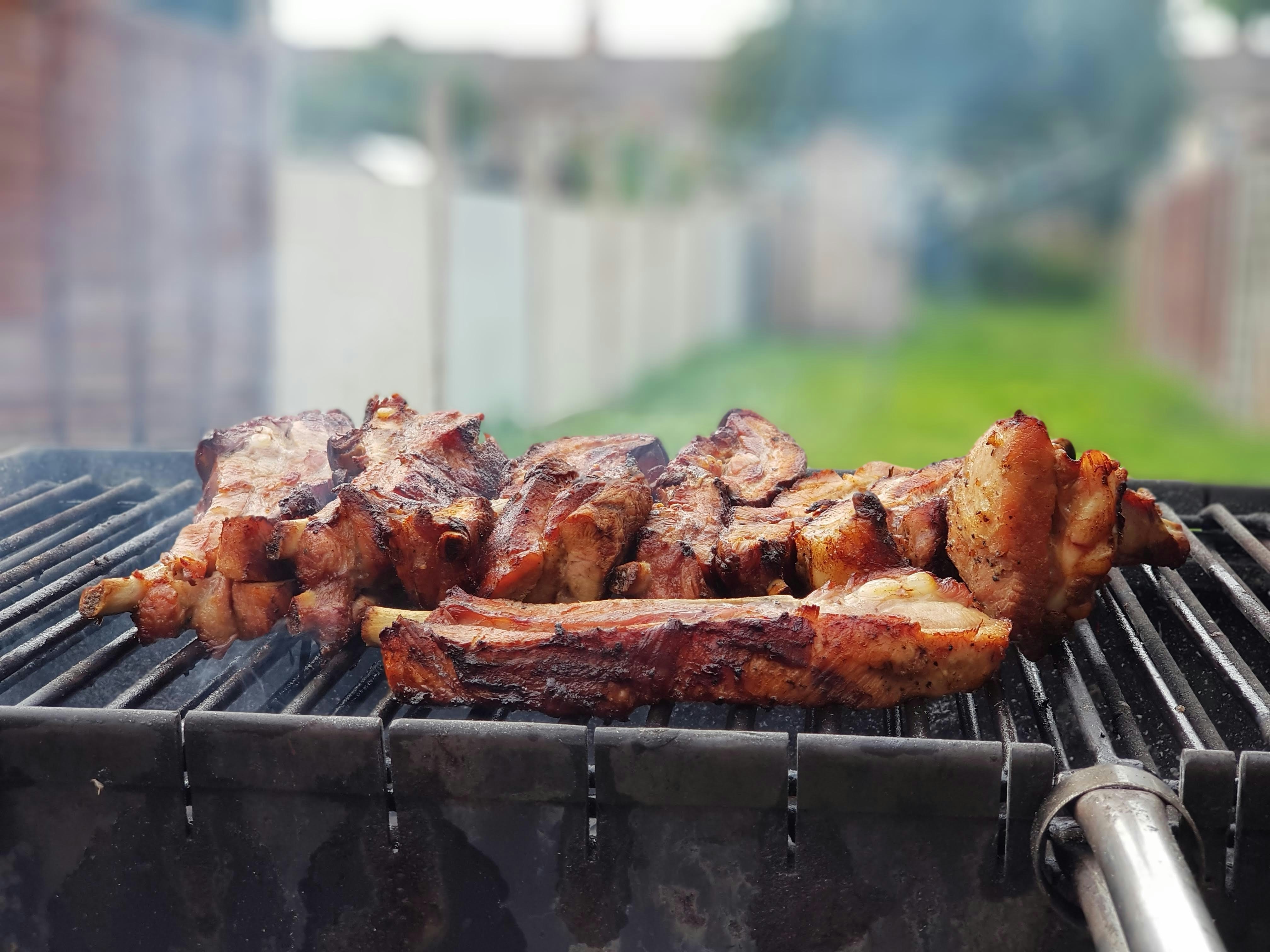
In an age where social media dictates much of our daily interactions, Mrs. Thang Loi’s decision to post a seemingly ‘perfect’ picture of her backyard BBQ amidst the chaos is quite telling. Captured at exactly the right moment, the image showcases a grilled spread of sizzling sausages, vibrant vegetables, and a perfectly frosted cake. However, the snapshot only tells half the story. Behind this calm façade lay a cacophony of failed culinary attempts and disgruntled family members, a stark contrast to the polished image shared with her online audience.
Social media often creates an altered reality where appearances are prioritized over authenticity. Mrs. Tinh Te’s humorous comment about the ‘artistic ambiance’ of the BBQ exemplifies this phenomenon perfectly. In her eyes, the scattered utensils and smoke swirling in the air were merely elements of a curated atmosphere. While her intent was to uplift, the irony rests in the knowledge that this ‘artistic quality’ was actually borne from disarray and mishap. This leaves onlookers questioning the standard to which they hold their own events, influenced by the glossy portrayals promulgated on platforms like Instagram and Facebook.
The contrast of perception versus reality is highlighted in this scenario. Viewers, absorbed by the aesthetic appeal of Mrs. Thang Loi’s photo, may overlook the underlying truth of a chaotic BBQ experience. Such experiences emphasize societal pressures to present ourselves and our gatherings in a flattering light, even if it is at the expense of authenticity. Ultimately, the social media verdict may serve to inflate expectations for everyday events, leaving individuals feeling inadequate should their own festivities fall short of the curated ideals witnessed online.
Lessons Learned: Minimalist Culinary Art
As the smoke dissipated and the laughter echoed through the backyard, Mr. and Mrs. Thang Loi found themselves reflecting not only on their BBQ mishaps but also on the deeper implications of their culinary adventures. What began as an earnest attempt to impress friends and gain social media validation transformed into an unforeseen journey of self-awareness. The couple realized that in their pursuit of the perfect BBQ—a flawless image to post online—they had lost sight of the enjoyment that originally sparked their enthusiasm for cooking outdoors.
In the process, their once-pristine grilling attire became splattered with sauces, ashes, and a medley of other unidentifiable food remnants. Instead of perceiving these stains as evidence of defeat, they transformed them into symbols of authenticity. The couple began to embrace their soiled outfits as “minimalist culinary art,” humorously redefining what success meant in their BBQ endeavors. By letting go of the superficial nature of social media validation, they uncovered a more profound appreciation for the messy, imperfect moments that brought joy and laughter to their gatherings.
This enlightened perspective illuminated a key lesson: life, much like a backyard BBQ, is not about presenting an idealized image. Rather, it is about experiencing genuine moments and sharing authentic connections with loved ones. The Thang Lois acknowledged that while social media platforms often promote polished images, the reality of their culinary journey was far more entertaining. It offered a glimpse into the absurdity of their efforts and the humor that stemmed from their barbecue misadventures. In recognizing these elements, they not only reclaimed their culinary identities but also fostered a sense of camaraderie with their guests.
Ultimately, the tale of Mr. and Mrs. Thang Loi serves as a reminder of the absurd lengths individuals sometimes go to in pursuit of online validation, while simultaneously highlighting the beauty in embracing imperfections—those messy stains on their outfits became a badge of honor in their culinary journey.
Conclusion: The Comedy of Errors
The recent backyard BBQ event stands as a remarkable example of the unpredictable nature of social gatherings. The absurdity of spilled drinks, burnt burgers, and dogs stealing sausages created an atmosphere that was as memorable as it was comedic. This amusing fiasco not only entertained the attendees but also served as a reminder of the modern-day pressures often associated with hosting such gatherings. Trying to impress friends and neighbors can quickly lead to comical failures, which, in turn, foster a sense of community through shared laughter and understanding.
As we dissect the various mishaps that unfolded, it becomes evident that the essence of the event lay in its imperfections. Each unexpected turn—whether it was a miscalculated timing for the grill or an unexpected rain shower changing the venue—transformed the BBQ into an epic tale of survival against the odds. It provided a backdrop for connection, showcasing the importance of being authentic in social situations. Rather than striving for perfection, we witnessed a community coming together, laughing at shared mistakes, and ultimately strengthening bonds.
In light of these events, it is vital to embrace the humor that life offers, recognizing that laughter can act as a powerful tool for resilience in a world often focused on achievement and success. It serves as a gentle reminder that relationships flourish through authenticity, vulnerability, and those comedic moments that may initially seem embarrassing but later become cherished memories. Through the laughter and lightheartedness exhibited at the BBQ, we are encouraged to let go of the pressure to be flawless and instead relish in the joyous chaos that brings us closer together.