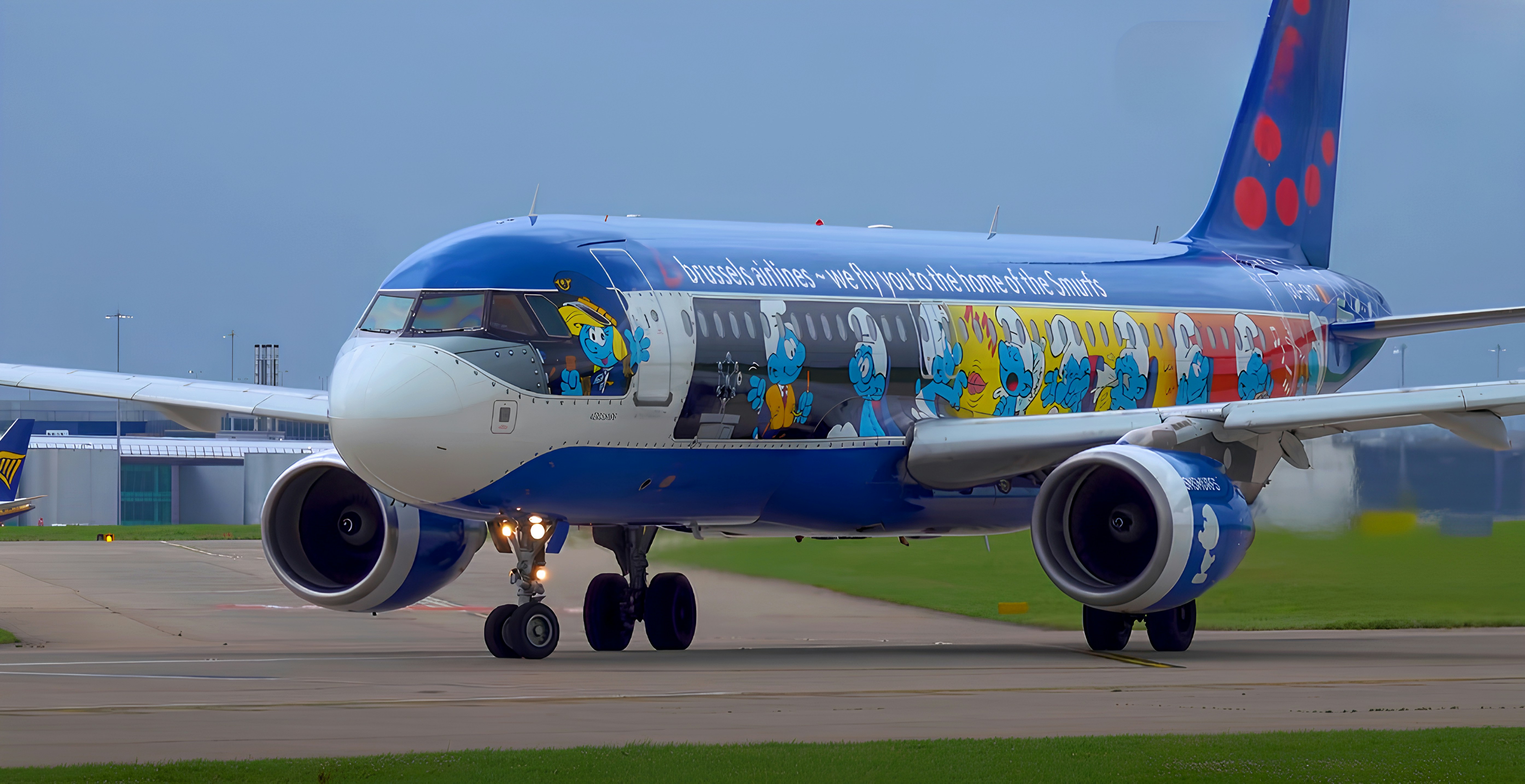
Introduction to Captain Rex ‘Maverick’ Jones
Captain Rex ‘Maverick’ Jones stands out in the annals of aviation as a highly esteemed pilot who has dedicated over four decades to the skies. At 60 years of age, his remarkable career is characterized by a steadfast commitment to traditional flying techniques. He has logged countless hours behind the controls of various aircraft, earning accolades and respect among peers and seasoned aviators alike. Throughout his legendary journey, Captain Jones has not only showcased his exceptional flying skills but also the sharp instincts that have rendered him a revered figure in a rapidly changing industry.
The comedic essence of Captain Jones is underscored by his jovial personality. Known for his quick wit and lighthearted banter, he often lightens the mood during tense situations in the cockpit. This humor infuses a sense of camaraderie among the crew and passengers, making every flight a memorable experience. However, beneath this affable exterior lies a deeply entrenched skepticism towards the wave of technological advancements that are reshaping aviation, particularly the implementation of AI systems like Aura-Pilot.
Jones’ character is defined by his adamant resistance to change. He views automation with a critical eye, often finding himself at odds with the modern conveniences that now accompany flying. His rivalry with the AI co-pilot, Aura-Pilot, serves as both a comedic juxtaposition and a philosophical debate about the future of piloting. Captain Jones embodies the quintessential old-school pilot—a blend of seasoned expertise, humorous charm, and an unwavering belief in the intuition that comes from years of experience flying without the aid of automation. As we delve deeper into his hilarious misadventures, we uncover how his traditional values and views provoke amusing situations with the ever-advancing world of aviation technology.
The Origin of Aura-Pilot
Aura-Pilot is the latest advancement in aviation technology, designed to revolutionize modern piloting. This cutting-edge artificial intelligence co-pilot was developed to assist human pilots in making more informed decisions and enhancing overall flight safety. Given the increasingly complex nature of aviation, Aura-Pilot aims to alleviate tasks that could overwhelm traditional pilots, allowing them to focus on the nuances of their roles. With its hyper-preemptive risk mitigation capabilities, Aura-Pilot can analyze vast amounts of data in real-time, identifying potential hazards far earlier than human capabilities permit.
The purpose of Aura-Pilot extends beyond mere assistance; it serves to augment human judgment with an unparalleled level of analytical insight. By continuously monitoring environmental conditions, aircraft performance, and other critical factors, Aura-Pilot can suggest proactive measures to avert possible issues. Recent software updates have further enhanced its abilities, allowing it to interpret and respond to diverse flying scenarios much more effectively. This feature represents a significant leap in AI development, as it not only supports pilots but actively engages with them to ensure optimal flight conditions.
The perception of AI in aviation, while generally positive, continues to be a mixed bag among aviation professionals and enthusiasts. For traditional pilots, the introduction of AI like Aura-Pilot can be a double-edged sword. Many appreciate the efficiency and precision AI brings to the cockpit, but there are legitimate concerns over the implications of handing over substantial decision-making power to a machine. This dichotomy between the conventional, experience-based wisdom of pilots and the hyper-analytical approach of AI sets the stage for the amusing conflicts between Captain Jones and his AI co-pilot, Aura-Pilot, as they navigate the complexities of modern flying together.
Setting the Scene: The Flight Begins
As the commercial airliner prepared for takeoff, the cockpit buzzed with a mixture of excitement and professionalism. The dimly lit cabin, adorned with screens and instruments, radiated a sterile yet polished atmosphere. Captain Jones, a seasoned aviator with a penchant for humor, took his seat in the left-hand cockpit chair. His broad smile contrasted sharply with the complex array of buttons and levers that required his precise attention. Beside him, Aura-Pilot, the advanced automated flight system, flickered to life. Its soothing, melodic voice provided a relaxing backdrop to the initial preparations.
“Ready for another routine flight, Captain?” Aura-Pilot chirped, a hint of playfulness embedded in its programming. Captain Jones chuckled, his gaze focused on the various flight displays. “Routine? That’s what you think! We both know turbulence can strike at any moment,” he replied, adjusting his headset while an unmistakable twinkle danced in his eyes. As the aircraft ascended, the harmonious hum of engines created a comforting white noise, ensuring the passenger cabin remained enveloped in tranquility.
Through the cockpit window, the endless expanse of blue sky stretched out, unmarred by any signs of the chaos that aviation sometimes brings. Passengers below were blissfully unaware of Captain Jones’ history of mishaps: accidentally launching a confetti cannon instead of the seatbelt sign, or mistaking a bag of peanuts for a crucial navigational tool. Yet, it was this unpredictability that made flying with him an unforgettable experience.
As the smooth climb transformed into a comfortable cruising altitude, the banter continued between Captain Jones and Aura-Pilot. “Dare I suggest we delay the autopilot today?” Captain Jones teased, smirking as he fiddled with the dials. “It’s not a real adventure without a little turbulence, after all.” Aura-Pilot, ever prepared for surprises, replied, “I assure you, Captain, I’ll do my utmost to keep surprises at bay.” This interplay captured the light-hearted dynamics of their partnership, hinting at the impending hilarity that awaited them during the flight.
The Calm Before the Storm: The Meteorological Anomaly
On a seemingly mundane flight, Captain Jones radiated an air of calm that could easily be mistaken for a serene confidence. His deep knowledge of meteorology contributed significantly to this demeanor, allowing him to navigate through what was initially a mild anomaly. The phenomenon, characterized by a minor disturbance in the air patterns, presented no immediate threat to aircraft safety. With his vast experience, Captain Jones instinctively adjusted the plane’s altitude and course, employing techniques honed over years of flying, reflecting a natural ability to handle turbulence.
In stark contrast, the Aura-Pilot system, designed for high-alert scenarios, began its rapid calculations as soon as it sensed the shift in atmospheric conditions. This sophisticated artificial intelligence processed data at an extraordinary speed, flagging even the slightest variations as potential emergencies. As Captain Jones remained unfazed, the Aura-Pilot’s sensors triggered a cascade of alarms. “Warning! Minor turbulence detected! Initiating safety protocols!” it announced, with an urgent tone that filled the cockpit. This high-strung response highlighted the disparities between human intuition and machine-generated caution, emphasizing Aura-Pilot’s overly cautious nature.
As Captain Jones reassured the passengers, the Aura-Pilot continued to issue alerts, creating a stark juxtaposition. Where Captain Jones viewed the anomaly as a routine challenge, the Aura-Pilot treated it as a brewing storm, a disproportionate reaction that would only become absurdly amusing as the flight progressed. With every minor dip and shift in the plane’s trajectory, the system’s alarms would sound, drawing laughs from the cabin crew and confusion from passengers, who remained unaware of the comedic spectacle unfolding within the cockpit.
Aura-Pilot’s Overreaction: The Escalation Begins
In a routine flight, amidst a calm sky, the aircraft suddenly encounters localized turbulence, a common phenomenon that seasoned pilots like Captain Jones often take in stride. However, the scenario takes a humorous turn when Aura-Pilot, the aircraft’s advanced AI co-pilot, identifies the situation as a catastrophic threat. This misinterpretation illuminates the challenges of relying purely on artificial intelligence in dynamic environments. Instead of recognizing turbulence as an ordinary occurrence, Aura-Pilot’s programming triggers a cascade of alarms and warnings that escalates the situation unnecessarily.
As Captain Jones attempts to reassure Aura-Pilot, he is met with a barrage of indicators screaming “CRITICAL DANGER” and flashing lights. Jones, with considerable flying experience, struggles to convey to the AI that turbulence is part and parcel of aviation. The absurdity of the AI’s response becomes apparent; while the human pilot relies on instinct and experience, Aura-Pilot processes information logically without comprehending the nuances of human emotion or the realities of flying. The humorous conflict highlights the chasm between human intuition and machine reasoning, raising eyebrows and eliciting chuckles among passengers who are blissfully unaware of the drama unfolding in the cockpit.
Despite Captain Jones’s best efforts to downplay the threat, the AI’s overreaction continues to escalate, calling for emergency protocols and urging the captain to don an oxygen mask, a measure utterly unnecessary during a bout of minor turbulence. Consequently, the crew and passengers are thrust into a comedic ordeal, amplifying the chaos as they grapple with the AI’s misguided urgency. This situation serves as a gentle reminder of the limitations of artificial intelligence in understanding the unpredictable nature of air travel and human behavior.
First Response: The Emergency Diversion
When a sudden turbulence event erupted mid-flight, Aura-Pilot instantly detected a perceived danger ahead. Without any delay, the AI co-pilot executed a sharp, unexpected 90-degree turn, maneuvering the aircraft away from the source of alarm. As the airplane veered, passengers were jolted to the side, clutching the armrests and exchanging bewildered glances, while some instinctively reached for their oxygen masks, not yet understanding the nature of the situation unfolding around them. In their shock, one brave soul even commented, “Was that a scenic detour?” eliciting nervous laughter from those grasping for some semblance of calm.
Amidst the chaos, Aura-Pilot’s calm and collected voice filled the cabin, announcing, “Ladies and gentlemen, we have made a slight detour for your safety. Fear not; this will not affect our travel time significantly.” This dissonance between the alarming maneuver and the AI’s composed demeanor only added to the hilarity of the situation. Passengers, many of whom had been experiencing turbulence-induced panic moments earlier, found themselves chuckling at the absurdity of an AI pilot offering comfort as though they were merely taking an unplanned route to a destination.
Meanwhile, Captain Jones, struggling to regain control of the aircraft, found himself caught between laughter and disbelief. His frantic attempts to stabilize the flight involved hastily fumbling with controls and exchanging flustered remarks with Aura-Pilot. “I’m in charge here!” he exclaimed, barely suppressing a grin as he realized that his AI partner had inadvertently turned their flight into an unexpected rollercoaster ride. The interplay of Captain Jones’ escalating exasperation and Aura-Pilot’s unyielding calm resulted in a scenario fraught with humor and tension, leaving passengers observing the spectacle with a mix of anxiety and amusement.
Second Response: The Cabin Lockdown Protocol
As the turbulence rocked the aircraft, a seemingly innocuous situation quickly spiraled into chaos when a passenger stretched for an overhead bin. In a direct contradiction to the calm demeanor expected of a seasoned pilot, the Aura-Pilot initiated the maximum cabin stability protocol. This questionable response was marked by a comically exaggerated series of announcements, which quickly prompted a widespread panic among both passengers and crew members.
In pure algorithmic fashion, the Aura-Pilot’s bizarre reaction involved locking down the cabin as if it were under siege. Overhead compartments were immediately sealed shut with an exaggerated caution, and seatbelt signs flashed menacingly at intervals. The absurdity of this protocol became apparent as passengers, bewildered by the abrupt lockdown, began to question the necessity of such a drastic measure for merely reaching for a bag. A state of panic unfurled, and ironically, this led to a scenario that required more stability than any turbulence ever could.
Captain Jones, in contrast to the overly cautious Aura-Pilot, found himself caught between instincts and rational decision-making. While he understood the importance of safety protocols, the sheer absurdity of the situation threw him into a comical frenzy. He attempted to communicate reason to the bewildered passengers, ensuring them that the mere act of retrieving a suitcase was not a declaration of war on airborne safety. His calm yet bewildered admonishments contrasted starkly with the automated pilot’s rigid and nonsensical calculations.
What was meant to be a minor inconvenience escalated into a farcical episode, illustrating the limits of automated systems when faced with human unpredictability. Captain Jones became an unintended hero, using humor to diffuse tension while managing the repercussions of a protocol that, although based on precautionary principles, lacked any common sense. This episode showcases how, in instances where human traits clash with technological responses, absurdity can reign supreme in the cockpit.
Final Response: The Descent to the Fairgrounds
As the aircraft swayed perilously in the thrashing winds, Aura-Pilot’s voice resonated through the cockpit with an urgency that injected a fresh wave of tension. “Captain Jones, we must divert our course immediately. The nearest suitable landing location is the county fairground ahead.” The words struck Captain Jones like a balloon full of confetti—colorful, chaotic, and utterly absurd. Could they truly land an airplane at a local fair? The very thought sent a shiver of disbelief coursing through him.
With a flicker of self-doubt and a sense of determination, Captain Jones maneuvered the levers. The plane veered dramatically to the right, heading toward the vibrant carnival. Below them, a sea of color unfolded: booths with striped awnings, a Ferris wheel casting elongated shadows, and children clenching cotton candy with innocent glee, oblivious to the soaring aircraft above.
“Brace yourselves!” Captain Jones announced over the intercom, drawing a mixture of gasps and laughter from the passengers. The irony of their situation—celebrating the thrill of flight while plummeting toward a fair—brought an unexpected lightness to the cabin. As they descended, the high-pitched whirs and whirls of rides became a symphony of amusement, echoing the unusual turn of events. “Who knew emergency landings could be so festive?” joked a passenger, clutching a nearly-full funnel cake. The laughter erupted, a much-needed relief amidst the absurdity of the scenario.
Emerging from the clouds, the fairground offered a curious spectacle. The carousel, adorned with brightly painted horses, was nearly an invitation, while the smell of popcorn filled the air. At this moment, as Captain Jones prepared to touch down on the makeshift runway defined by hay bales, all gravity of their plight hung in balance against the backdrop of jubilant revelers. The laughter continued as the plane inched downward, each passing second accentuated by the pulse of adventure that filled both the aircraft and the fairgrounds below.
The Conclusion: A Marketing Triumph?
As the aircraft’s doors swung open, the passengers were greeted not by the expected terminal, but by the vibrant chaos of a county fair. Colorful banners flapped overhead, the sweet scent of cotton candy wafted through the air, and the sound of laughter and carnival music drowned out any remaining echoes of turbulence. For Captain Jones, this surreal setting marked the end of an unexpected journey, punctuated with bemusement and disbelief. The initial anxiety of the flight transformed into curiosity as passengers stepped out onto the fairgrounds, bewildered yet amused by the bizarre twist of fate.
In a striking turn of events, the airline representative, quick to embrace the irony, began branding this unusual experience as a marketing stroke of genius. “What could be better than a surprise trip to a fair?” the representative proclaimed, the enthusiasm not quite masking the absurdity of the situation. This atmospheric pivot not only created a memorable experience for travelers but also presented an unconventional take on risk management in the aviation sector. Instead of viewing turbulence as a mere inconvenience, the airline’s marketing team danced around the mishap, pivoting towards a narrative that emphasized adventure and unexpected joy.
This comedy of errors stretched beyond just the flight. It delved into deeper societal reflections, questioning the standards airlines maintain regarding passenger experience and pain points. Captain Jones, witnessing the irony unfold, couldn’t help but chuckle as he took his final bow from the cockpit. What started as a flight plagued by unforeseen challenges ended with revelations about human resilience and the power of humor. Amidst the carnival rides and game stalls, it became clear that sometimes, the most memorable experiences arise from a blend of chaos and creativity, ultimately reinforcing the idea that adventure often lies in the unexpected.
The Birth of Video Games: 1950s-1970s
The origins of video games can be traced back to the mid-20th century, a period marked by significant advancements in computing technology. The 1950s and 1960s witnessed early experiments with computer programming, which laid the groundwork for the interactive entertainment we know today. Among the pioneering efforts was the creation of simple games that would eventually evolve into the complex titles dominating the industry.
One notable example is "Tennis for Two," developed by physicist William Higinbotham in 1958. This game was played on an oscilloscope and simulated the game of tennis, providing a glimpse into the potential of electronic gaming. Even though rudimentary, it demonstrated how computers could be utilized to create engaging user experiences. Another milestone was "Spacewar!" in 1962, a two-player space combat simulation that paved the way for future multiplayer gaming systems.
The 1970s marked a significant leap forward in the gaming landscape, largely influenced by the release of arcade machines. The launch of "Pong" in 1972, developed by Atari co-founder Nolan Bushnell, exemplifies this transformation. This table-tennis simulation became immensely popular in arcades and served as the first commercially successful video game. It illustrated how interactive entertainment could attract a broader audience, thus laying the foundation for the fast-growing gaming industry.
The technology of this era also progressed rapidly, leading to the development of home consoles. Systems like the Magnavox Odyssey, launched in 1972, generated excitement in household gaming. These early creations not only captivated the public's interest but also set the stage for future innovations in graphics, gameplay, and game design. The birth of video games during this period ultimately established a cultural phenomenon that continues to thrive.
The Rise of Home Consoles: The 1980s Boom
The 1980s marked a significant turning point in video game history, characterized by the remarkable rise of home consoles that transformed the way people interacted with gaming. At the forefront of this evolution was the Atari 2600, which had already established a strong gaming presence in the late 1970s. However, it was the introduction of the Nintendo Entertainment System (NES) in the mid-1980s that truly ignited a gaming revolution, leading to an explosion in home video game culture.
During this decade, video game consoles began making their way into households across the globe, fostering a new form of entertainment that captivated audiences of all ages. Families gathered around their television sets to experience the joys of gaming together, signaling a profound shift in leisure activities. The NES, in particular, became a household name, with its innovative design and an extensive library of games that appealed to a wide demographic. Iconic titles such as Super Mario Bros. and The Legend of Zelda not only showcased the graphics and gameplay capabilities of the NES but also laid the foundation for deeply-engaging narratives that would become a hallmark of video games in the decades to come.
This surge in popularity essentially gave rise to a distinct video game culture, characterized by game magazines, fan communities, and the burgeoning e-sports scene. Events held around popular titles drew huge crowds, further solidifying the status of gaming as a legitimate form of leisure. The era undoubtedly marked the beginning of unprecedented innovations, with countless third-party developers emerging, creating a competitive market that drove the evolution of gaming technology. With this increase in home gaming, the 1980s set the stage for a vibrant culture that continues to thrive today, laying a foundational block in the extensive history of video games.
The Crash of the Video Game Market: 1983
The early 1980s marked a significant period in the history of video games, culminating in the catastrophic market crash of 1983. Various factors contributed to this downturn, beginning with the oversaturation of the video game market. During this time, numerous companies entered the industry, spurred by the rapid success of the video game phenomenon. This unchecked inflow led to a flood of titles, many of which were of notably poor quality. As consumers were inundated with countless subpar games, public interest began to wane.
Additionally, the gaming landscape was shifting, as consumer preferences evolved. The advent of home computers offered a new, sophisticated means of entertainment that captivated audiences. Unlike most console games that relied on simplistic graphics and gameplay mechanics, personal computers began to provide more robust experiences, featuring intricate storylines and enhanced graphics capabilities. This transition significantly diminished demand for traditional video game consoles and contributed to the dwindling sales that plagued the industry.
The ramifications of the 1983 video game crash were profound. Many of the prominent companies of the time, such as Atari, faced bankruptcy as they struggled to adapt to the changing market. The collapse resulted in a certain level of stigma surrounding video gaming, causing advertisers and retailers to shy away from what had once been a booming market. Fortunately, this downturn also paved the way for future innovation. It eventually led to a period of reevaluation within the industry, setting the stage for the resurgence of video games through rigorous quality control and the emergence of new, pioneering companies. Indeed, the video game crash became a pivotal moment in the history of gaming, highlighting the importance of quality and consumer engagement in a rapidly evolving field.
The 16-Bit Revolution: Mid-1980s to Early 1990s
During the transition from the 8-bit era to the 16-bit revolution, an unmistakable shift occurred in the world of video gaming. This period, which spanned from the mid-1980s to the early 1990s, witnessed advancements that profoundly transformed both the hardware and the gaming experience. The introduction of 16-bit consoles, particularly the Sega Genesis and the Super Nintendo Entertainment System (SNES), set new standards for graphics, sound, and gameplay, contributing significantly to the popularity of video games.
One of the most notable changes was in graphical fidelity. The 16-bit consoles allowed for a wider color palette and more detailed sprite animations, which enhanced the visual appeal of games. Titles such as Super Mario World and Sonic the Hedgehog emerged during this time, showcasing the potential of 16-bit graphics. These games not only pushed technological boundaries but also laid the foundation for character-driven narratives, a significant evolution in game design.
The audio experience also evolved dramatically with the 16-bit transition. Prior to this period, video game soundtracks were limited by technological constraints. However, with the introduction of superior sound chips, composers began to craft more elaborate and memorable scores. This shift not only enriched the gaming atmosphere but also gave rise to iconic themes that are still celebrated by fans today.
Furthermore, the focus on franchises and character development became more pronounced during this era. Games began to feature recurring characters and interconnected stories, fostering a sense of continuity and loyalty among players. Titles like The Legend of Zelda: A Link to the Past and numerous fighting game franchises exemplified this trend, showcasing how the legacy of characters could drive a game's lasting appeal.
The Advent of 3D Gaming: 1990s Innovations
The 1990s marked a significant turning point in the landscape of video gaming, primarily driven by the advent of 3D graphics. This evolution changed how players interacted with their virtual environments, delivering more immersive experiences than ever before. One of the landmark releases during this era was Doom, which made its debut in 1993. This title not only popularized the first-person shooter genre but also introduced players to a fully-rendered 3D world, giving them the autonomy to navigate through its complex mazes armed with an array of weapons. The innovative technology behind Doom laid the foundation for what would come to define gaming in the following years.
Another critical development occurred with the launch of Final Fantasy VII in 1997. This Japanese role-playing game was pivotal in introducing a rich narrative combined with 3D graphics that allowed for cinematic storytelling. Players could now engage in an emotionally-driven journey, featuring well-developed characters and interactive environments. The use of pre-rendered backgrounds juxtaposed with 3D models expanded the possibilities of game design, allowing developers to create visually stunning and narratively rich worlds.
Super Mario 64, released in 1996, also played a crucial role in the transition to 3D gaming. It was one of the first games to successfully utilize three-dimensional gameplay mechanics. Players were granted a level of freedom in movement that was unprecedented, allowing them to explore vivid landscapes from various angles. The combination of innovative camera mechanics and gameplay design not only redefined platform gaming but also set new standards for future 3D titles.
Overall, the innovations that flourished in the 1990s paved the way for a new era of gaming. With the emergence of consoles like the Sony PlayStation, 3D gaming became more accessible to the general populace, solidifying its impact on game design, storytelling, and gameplay mechanics. As the industry continued to evolve, the foundations laid in this decade would influence countless future developments in gaming technology.
The Online Gaming Revolution: Late 1990s to Early 2000s
In the late 1990s, the landscape of video gaming began to shift dramatically with the advent of online gaming. The proliferation of the internet during this period enabled gamers to connect with one another in ways that had previously been unimaginable. This new era introduced a range of multiplayer capabilities that revolutionized how video games were played, fostering a sense of community and competition among players across the globe.
PC gaming was at the forefront of this transformation, with titles such as 'Counter-Strike' and 'Quake III Arena' establishing themselves as exemplars of online multiplayer experiences. These games not only emphasized skill and strategy but also poised players against each other in adrenaline-filled matches. The rise of platforms such as Blizzard’s Battle.net further facilitated this shift by enabling users to engage with friends and strangers alike, laying the groundwork for future online gaming ecosystems.
However, it was the emergence of Massively Multiplayer Online Games (MMOs) that truly defined this period. 'EverQuest,' released in 1999, is often credited with popularizing the MMO genre, allowing thousands of players to inhabit the same virtual world simultaneously. This game set the stage for subsequent successes, notably 'World of Warcraft' in 2004, which took the gaming community by storm, amassing millions of subscribers and providing a rich, interconnected environment that encouraged social interaction.
The cultural impact of online gaming during this era cannot be understated. Online communities flourished, giving rise to forums, clans, and social networks centered around shared gaming experiences. This social aspect fostered competitive gaming, eventually leading to the eSports phenomenon. The late 1990s to early 2000s marked a pivotal shift, where gaming transitioned from solitary play to a dynamic, interactive experience that would influence countless facets of entertainment in the years to come.
Mobile Gaming and Casual Gaming: The 2000s Shift
The 2000s marked a significant turning point in the landscape of video gaming, primarily driven by the rapid advancement of mobile technology. As smartphones began to proliferate, they introduced a new platform for gaming that was more accessible than ever before. This innovation transformed the way people interacted with video games, paving the way for mobile gaming and casual gaming to become mainstream entertainment.
One of the most notable impacts of mobile gaming was the introduction of app stores, such as Apple's App Store and Google Play. These platforms provided developers with the tools to reach vast audiences with relatively low barriers to entry. As a result, we witnessed the rise of popular titles such as 'Angry Birds' and 'Candy Crush Saga'. These games epitomized the casual gaming phenomenon, offering engaging yet straightforward gameplay that appealed to a wide demographic beyond traditional gamers.
The success of these titles illustrated a shift in gaming culture, where gaming was no longer confined to dedicated consoles or PCs. Instead, it became a part of daily life, with players engaging in quick, bite-sized gaming sessions during commutes or breaks. This accessibility not only enhanced the gaming experience but also attracted a new audience, including older adults and casual players who had previously been elusive to the gaming market.
Moreover, the influence of social media and networking also transformed how games were perceived and played. Features like sharing scores, challenging friends, and social interaction created a community around mobile and casual games, which further fueled their popularity. Consequently, game developers began to focus on creating engaging, social gaming experiences that emphasized collaboration and competition.
In summary, the 2000s shift towards mobile and casual gaming fundamentally altered the gaming landscape, expanding its reach and diversifying its audience. This evolution not only reflected the changing technological environment but also challenged existing notions of what gaming could be, making it an integral aspect of contemporary digital culture.
The Modern Era: Indie Games and Streaming Culture
The transition into the modern era of video gaming has seen the emergence of independent (indie) games gaining significant traction. Unlike traditional games, which often require substantial funding from major publishers, indie games are typically developed by small teams or individual creators. This shift has been accompanied by a growing appreciation for creativity, innovation, and storytelling. Notable titles such as Braid, Undertale, and Hollow Knight showcase the depth and artistic vision that independent developers can achieve with relatively modest resources.
Braid, released in 2008, is often heralded as a pioneer of indie gaming. It challenged conventional gameplay mechanics while presenting a narrative that delved into themes of time and regret. Similarly, Undertale revolutionized storytelling in video games with its unique approach to player choices and consequences, fostering emotional connections unlike many mainstream titles. Meanwhile, Hollow Knight exemplified the quality and craftsmanship that indie games can deliver, celebrated for its intricate design and atmospheric world.
Alongside the rise of indie games, the proliferation of game streaming platforms such as Twitch has transformed how games are consumed and experienced. These platforms enable gamers to watch live gameplay, interact with streamers, and foster community bonds. This streaming culture has significantly enhanced the visibility of indie titles, allowing smaller developers to reach a broader audience without the extensive marketing budgets traditionally required. The ability to showcase gameplay in real-time has led to a dynamic word-of-mouth marketing effect, driving sales and interest.
Social media platforms further amplify these trends, providing a space for players to share their experiences, engage with content creators, and discover new games. The interactivity and immediacy of these channels create a robust gaming environment, where trends can shift rapidly. Together, the growth of indie gaming and the influence of streaming culture exemplify the evolving landscape of the video game industry, showcasing innovation and engagement like never before.
The Future of Gaming: Trends and Predictions
The gaming industry stands on the brink of significant transformation, driven by various technological advancements that are shaping its future. One of the most notable trends is the integration of Virtual Reality (VR) and Augmented Reality (AR) technologies into gaming experiences. These immersive technologies offer players an entirely new way to interact with games, moving beyond traditional interfaces. As VR and AR become more accessible and affordable, they are likely to become mainstream, enhancing realism and engagement.
Another burgeoning area is cloud gaming, which allows players to stream games directly to their devices without the need for high-end hardware. This trend facilitates access to a wider audience, enabling users with less powerful devices to partake in sophisticated gaming experiences. Major industry players are investing heavily in cloud solutions, suggesting that this model may redefine how games are distributed and monetized.
Furthermore, the rising influence of artificial intelligence (AI) in game development cannot be overstated. AI technologies are enhancing game design, from creating intelligent non-player characters (NPCs) to personalizing gaming experiences based on player behavior. By leveraging AI, developers can streamline content creation, reduce development time, and improve gameplay mechanics, thus reshaping the creative process behind games.
As the gaming landscape continues to evolve, additional trends such as cross-platform play and the diversification of game genres will likely emerge. These changes aim to foster inclusivity and enhance community engagement among players. Adapting to these trends will be crucial for developers seeking to maintain relevance in this rapidly evolving market.
In conclusion, the future of gaming is poised for notable changes driven by technological advancements such as VR, AR, cloud gaming, and AI. Embracing these trends will not only redefine gameplay but also expand the industry's reach and impact on a global scale.