Introduction to the Protagonist
Darren, a tech-savvy young adult in his twenties, embodies the quintessential modern youth who is heavily intertwined with technology. Living in a fast-paced urban environment, he found himself increasingly overwhelmed by the constant barrage of notifications, emails, and social media updates. Seeking solace, he made the decision to retreat to a remote cabin, believing that a digital detox would help him reconnect with nature. Ironically, while he yearned for a simpler existence, Darren’s attachment to technology remained a defining aspect of his personality.
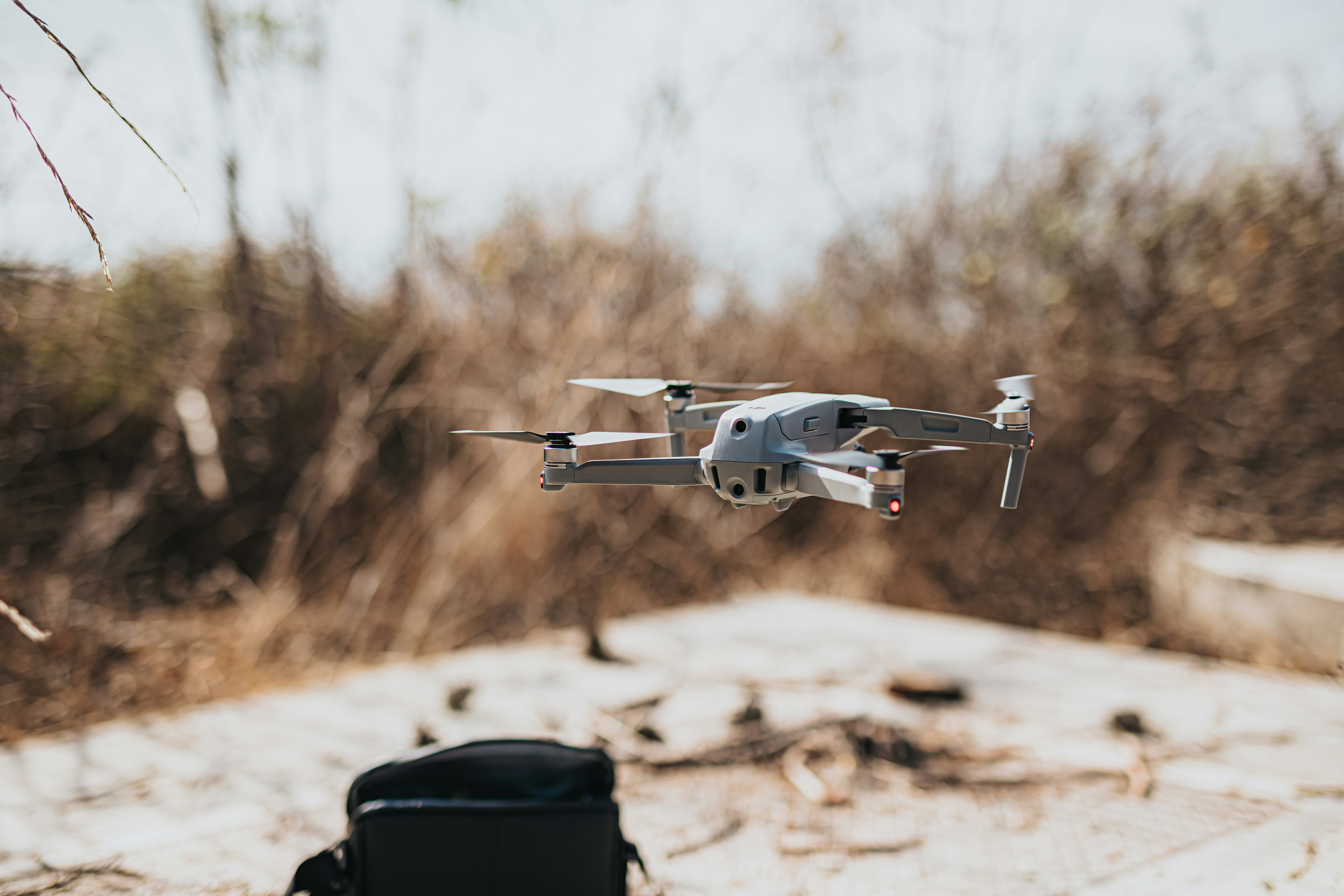
In preparation for his getaway, Darren meticulously packed an array of gadgets, including his beloved drone, which he affectionately referred to as “Wiley.” His belief was that although he was attempting to live off-grid, the convenience of drone deliveries would ensure that he stayed well-equipped in his isolation. This humorously reflects the modern dilemma of attempting to escape from technology, only to rely on it more than ever. The idea of ordering supplies to a cabin amidst the wilderness using drone technology showcases his struggle with detachment from his tech-driven lifestyle.
Moreover, Darren’s laid-back attitude toward life further complicates his adventure. He enjoys lazy mornings spent scrolling through his phone, and his Netflix binge-watching habits frequently lead him to procrastinate essential tasks. His decision to disconnect from the urban chaos is not merely about solitude; rather, it highlights the ongoing conflict between modern comforts and the primal essence of nature. His journey symbolizes a deeper commentary on how intertwined our lives have become with technology, and the expectations we place on gadgets that sometimes seem at odds with our desires for simplicity and authenticity.
The Setting: A Remote Wilderness
Nestled deep within the heart of a sprawling forest lies Darren’s minimalist cabin, a harmonious blend of simplicity and functionality. The cabin, made from locally sourced timber, sits quietly amongst towering pine and fir trees, offering a picturesque view of the surrounding wilderness. This remote escape from modern society not only guarantees serenity but also serves as a vivid reminder of the beauty and unpredictability of nature. Nature thrives here, with chirping birds and rustling leaves forming a melodic symphony that lulls the mind into tranquility.
The backdrop of this story is characterized by a stark contrast between the natural world and the encroaching presence of technology. While the air is crisp and fresh, filled with the rich scent of earth and foliage, Darren faces the challenges of isolation. The nearest town is several miles away, a fact that enhances both his self-sufficiency and occasional feelings of solitude. Remote living means limited access to conveniences most take for granted, such as high-speed internet and instant deliveries. Here, every interaction with technology is deliberate and measured, creating a palpable tension between the comfort of modern advancements and the timeless rhythm of the wild.
The breathtaking scenery, combined with the challenges of survival in such a setting, creates an environment ripe for exploring themes of coexistence between nature and technology. As Darren navigates life in his cabin, he becomes acutely aware of how easily the balance can tip from harmony to chaos, especially when his drone, a symbol of technological advancement, begins to intrude upon the natural world. This remote wilderness holds secrets that will soon unfold, revealing the complexities of life in an age of rapid technological progress.
The Anticipated Delivery
Darren had been eagerly awaiting the arrival of his high-powered smart binoculars, a device he believed would bridge the gap between his yearning for a nature retreat and his reliance on modern conveniences. As a tech-savvy individual, Darren often found himself dependent on drone deliveries, which brought the wonders of technology right to his doorstep. The thought of high-tech binoculars that could enhance his outdoor experience excited him, unlocking the potential to observe wildlife as never before.
However, this anticipation was laced with irony. Here was Darren, a self-identified nature enthusiast, investing in a gadget designed to enrich his outdoor experiences, yet he was wholly reliant on a drone to facilitate this encounter with nature. His desire for a ‘nature retreat’ seemed at odds with his dependency on the very technology he sought to escape. Every day felt like an exercise in modern absurdity; the sight of the drone hovering over his home with a package was almost comically juxtaposed against his aspirations of becoming one with the wilderness.
As he prepared for what should have been a quiet escape from the urban chaos, the smart binoculars symbolized a larger commentary on society’s relationship with technology. While Darren wanted to immerse himself in the tranquility of the woods, the drone delivery underscored the prevalent reality: the more we seek refuge in nature, the more we rely on advanced gadgets to do so. Each buzz and whirr of the drone seemed to mock his intentions, serving as a reminder that sometimes, technology and nature exist in a state of humorous contradiction.
The Drone’s Encounter with the Bear
In the heart of a dense forest, where towering trees form an almost impenetrable canopy, a drone buzzed effortlessly through the air, capturing stunning aerial views of the wilderness. The pilot, an enthusiastic nature lover, was oblivious to the fact that adventure was about to unfold as the drone embarked on its exploration. Suddenly, the drone’s camera lens panned downwards, catching sight of something unexpected—a curious black bear ambling through the underbrush.
This bear, a stout creature with a glossy coat and inquisitive nature, had spent the day roaming its territory, searching for berries and the occasional snack. When the bear first spotted the drone, it was both intrigued and puzzled. The soft whirring sound and the unusual sight overhead elicited a mixture of instinctual curiosity and cautious skepticism. It lumbered closer, its nose twitching as it attempted to decipher the anomaly hovering above it.
Finding the drone a peculiar addition to its usual environment, the bear approached with a cautious grace, embodying the innate instincts of any wildlife: is this a friend or foe? The drone, equipped with its artificial intelligence, attempted to maneuver away, likely driven by the programmed response to avoid obstacles. Yet, instead of retreating, the bear’s playful side emerged. With a sudden burst of energy, the bear swatted at the drone, missing it by mere inches. This moment encapsulated a humorous clash between technology and nature, as the bear’s playful paw met the drone’s mechanical precision. The disconnect between the two worlds created a surprisingly comedic scene—one that left both the bear and the onlooker astounded.
This whimsical encounter highlights not only the bear’s instinctual tendencies but also the unpredictable nature of technology in wildlife settings. The ensuing chaos only served to amplify the absurdity of the interaction, setting the stage for a tale that intertwines the wonders of nature with the quirks of modern technology.
The Aerial Attack: Chaos Unleashed
In what began as a tranquil afternoon in the wilderness, the harmony between nature and technology was abruptly disturbed. As the drone silently buzzed above the treetops, capturing the panoramic beauty for its operator, Darren, an unexpected encounter unfolded. A curious bear, intrigued by the whirring sound overhead, decided to investigate this unusual object hovering in its territory. With a swift and powerful swipe of its paw, the bear launched the drone from the air, sending it spiraling downward.
The impact of the crash was as dramatic as it was unforeseen. The drone, equipped to seamlessly deliver packages, was reduced to a chaotic flurry of scattered components. The delivery box burst open upon impact, ejecting its contents across the forest floor. Items designed for an outdoor picnic—sandwiches, fruit, and drinks—now lay strewn among the underbrush, attracting the bear’s immediate attention. The serenity of Darren’s getaway had quickly transformed into a scene of disorder, fueled by nature’s wild unpredictability.
As chaos reigned, the reality of the situation set in: the clash of technology against the raw instincts of wildlife highlighted the often unpredictable interactions that occur when man-made devices encroach on natural spaces. What was intended to enhance leisure had spiraled into a scene of unexpected hilarity and bewilderment, showcasing the sometimes perilous intersection of advanced technology and the untamed wilderness.
Accidental Commands and Hilarious Consequences
The surreal interplay between nature and technology takes a comedic turn when a bear inadvertently activates a drone’s voice command functionality. This moment, though accidental, leads to an uproarious sequence of events that highlight the absurdity of modern gadgets interacting with wildlife. The drone, typically programmed to assist in serious tasks, suddenly issues a bizarre order for ‘more fish tacos and beer’—a request entirely out of context and totally devoid of any relevance to the bear’s natural behavior.
This incident raises questions about the functionality of smart technology in unforeseen scenarios. Imagine this lumbering creature, unknowingly initiating commands meant for a human operator. The bear, having no concept of the drone’s technology, wanders in its territory while the aerial device, upon receiving the unintended input, dutifully complies with its programmed directive. What ensues is a chaotic yet humorous illustration of how technology can misinterpret context, leading to laughable outcomes.
Moreover, this incident showcases the disconnect between human commands and animal instincts. As the bear ambles about in search of its next meal, the drone, whirling overhead, is busy broadcasting its newfound absurdity. The visual of a bear pausing to listen to a drone demanding snacks is a tableau rife with humor, painting a vivid picture that invites both chuckles and reflections on how far technology has come—and how it can sometimes produce hilariously misguided results. In this era, where smart devices are omnipresent, such unexpected interactions with nature make us reconsider the implications of our reliance on technological advancements in the wild.
The Bear’s Attempt to Use the Drone
In an unexpected intersection of wildlife and technology, a curious bear stumbled upon a drone that had inadvertently found its way into its natural habitat. This hilarious encounter quickly escalated, highlighting the absurdity of the situation. In its initial attempt to interact with the drone, the bear decided to inspect the camera lens. With a gentle yet inquisitive touch, the bear smeared the lens with mud and saliva, as if to create its own version of a masterpiece. The drone, once a source of stunning aerial views, now resembled a small, flying portrait of messy artistry.
Undeterred by this failed attempt at exploration, the bear’s next move was even more comical. In its quest to discover the inner workings of the drone, it resorted to chewing on the GPS unit. This humorous display of curiosity, aimed at understanding how the technology operated, led to the bear inadvertently rendering the gadget useless. The drone, which was designed to navigate and map the wilderness with precision, was now just a shadow of its former self, left at the mercy of an inquisitive bear. Through these antics, one could only imagine the bewilderment of onlookers, witnessing nature’s chaos mingling with technology.
As a final act of hilarity, the bear decided to launch a pointless distress call to the national park service. Perhaps motivated by a sense of urgency or simply trying to socialize with fellow mammals, the bear activated the drone’s communication system, sending a bewildering message that only a bear could comprehend. The absurdity of a bear seeking assistance in befriending a drone added to the entertaining narrative of this incident. Each attempt brought to light the comedic potential of such unexpected interactions between wild animals and modern technology.
The Arrival of the Park Rangers
As the sun dipped low in the sky, casting shadows across the pine-covered landscape, the park rangers arrived in their all-terrain vehicles, a sense of urgency palpable in the air. They had received reports of armed hikers causing chaos in the backcountry, likely due to the escalating tensions surrounding the bear activity in the area. Little did they know that their concerns were about to be completely upended. Instead of a group of wary hikers, the rangers stumbled upon an absurd scene featuring Darren, a perplexed tourist, and a rather large bear, who had seemingly taken a keen interest in the drone hovering nearby.
The rangers parked their vehicles in a hasty manner, jumping out with a mix of confusion and curiosity. Clad in their gear, they were prepared for a confrontation, but as they surveyed the scene, bewilderment quickly replaced their initial concern. Darren, wide-eyed and frozen in disbelief, stood amid the clutter of gear and equipment, and the bear, oblivious to the commotion it had caused, appeared engrossed in its new fascination. The rangers exchanged glances, attempting to interpret the dizzying reality in front of them. This was not the dangerous skirmish they had envisioned.
The interplay of human and animal, technology and nature, seemed almost farcical in that moment. With each passing second, it became increasingly clear that this incident was not only bizarre but had spiraled into a comedy of errors. The rangers struggled to maintain their composure as they approached the quirky pair, their antennas still buzzing with radio chatter about armed hikers, completely misaligned with the unfolding spectacle. The contrasting images of a wily bear showcasing its curiosity and a bewildered Darren attempting to explain the situation added to the hilarity of the encounter, leaving everyone involved grappling with the absurdity of the scenario.
The Viral Aftermath and Conclusion
The encounter between Darren and the bear quickly turned into a phenomenon on social media, with videos of the bear’s quirky antics while scavenging for fish tacos garnering millions of views. The mesmerizing footage immortalized the bear as the now-famous “fish taco bear,” captivating audiences worldwide. This unexpected turn of events not only highlighted the innate humor present when human ingenuity collides with the wild, but also triggered a domino effect of viral content, further engaging and amusing viewers across digital platforms.
As the fish taco bear ascended to internet stardom, it inevitably led to a surge of tourists flocking to Darren’s cabin. In what was intended to be a refuge from the digital world, Darren found himself at the epicenter of an unanticipated tourist attraction. Throngs of visitors, armed with smartphones and cameras, made their way to the prime site of the encounter, eager to catch a glimpse of the legendary bear that had captured their imagination. The peaceful solace he sought in nature quickly transformed into a cacophony of laughter, excitement, and the incessant clicking of camera shutters.
This influx of tourists detracted from Darren’s envisioned digital detox, sprawling out his quiet getaway into an overwhelming circus of onlookers. With the peace of nature now veiled by the excitement of human presence, he reluctantly reconsidered his stance on technology and its omnipresence. Before long, it became clear that his brief attempt to escape urban life had been overshadowed, not only by the bear’s new-found fame but also by his enduring reliance on the very technology he had sought to evade. In the end, Darren’s resigned decision to return to city life served as a poignant reminder of the inevitable intersection between technology and nature, highlighting the complexities of modern living in a digital age.
The Birth of Video Games: 1950s-1970s
The origins of video games can be traced back to the mid-20th century, a period marked by significant advancements in computing technology. The 1950s and 1960s witnessed early experiments with computer programming, which laid the groundwork for the interactive entertainment we know today. Among the pioneering efforts was the creation of simple games that would eventually evolve into the complex titles dominating the industry.
One notable example is "Tennis for Two," developed by physicist William Higinbotham in 1958. This game was played on an oscilloscope and simulated the game of tennis, providing a glimpse into the potential of electronic gaming. Even though rudimentary, it demonstrated how computers could be utilized to create engaging user experiences. Another milestone was "Spacewar!" in 1962, a two-player space combat simulation that paved the way for future multiplayer gaming systems.
The 1970s marked a significant leap forward in the gaming landscape, largely influenced by the release of arcade machines. The launch of "Pong" in 1972, developed by Atari co-founder Nolan Bushnell, exemplifies this transformation. This table-tennis simulation became immensely popular in arcades and served as the first commercially successful video game. It illustrated how interactive entertainment could attract a broader audience, thus laying the foundation for the fast-growing gaming industry.
The technology of this era also progressed rapidly, leading to the development of home consoles. Systems like the Magnavox Odyssey, launched in 1972, generated excitement in household gaming. These early creations not only captivated the public's interest but also set the stage for future innovations in graphics, gameplay, and game design. The birth of video games during this period ultimately established a cultural phenomenon that continues to thrive.
The Rise of Home Consoles: The 1980s Boom
The 1980s marked a significant turning point in video game history, characterized by the remarkable rise of home consoles that transformed the way people interacted with gaming. At the forefront of this evolution was the Atari 2600, which had already established a strong gaming presence in the late 1970s. However, it was the introduction of the Nintendo Entertainment System (NES) in the mid-1980s that truly ignited a gaming revolution, leading to an explosion in home video game culture.
During this decade, video game consoles began making their way into households across the globe, fostering a new form of entertainment that captivated audiences of all ages. Families gathered around their television sets to experience the joys of gaming together, signaling a profound shift in leisure activities. The NES, in particular, became a household name, with its innovative design and an extensive library of games that appealed to a wide demographic. Iconic titles such as Super Mario Bros. and The Legend of Zelda not only showcased the graphics and gameplay capabilities of the NES but also laid the foundation for deeply-engaging narratives that would become a hallmark of video games in the decades to come.
This surge in popularity essentially gave rise to a distinct video game culture, characterized by game magazines, fan communities, and the burgeoning e-sports scene. Events held around popular titles drew huge crowds, further solidifying the status of gaming as a legitimate form of leisure. The era undoubtedly marked the beginning of unprecedented innovations, with countless third-party developers emerging, creating a competitive market that drove the evolution of gaming technology. With this increase in home gaming, the 1980s set the stage for a vibrant culture that continues to thrive today, laying a foundational block in the extensive history of video games.
The Crash of the Video Game Market: 1983
The early 1980s marked a significant period in the history of video games, culminating in the catastrophic market crash of 1983. Various factors contributed to this downturn, beginning with the oversaturation of the video game market. During this time, numerous companies entered the industry, spurred by the rapid success of the video game phenomenon. This unchecked inflow led to a flood of titles, many of which were of notably poor quality. As consumers were inundated with countless subpar games, public interest began to wane.
Additionally, the gaming landscape was shifting, as consumer preferences evolved. The advent of home computers offered a new, sophisticated means of entertainment that captivated audiences. Unlike most console games that relied on simplistic graphics and gameplay mechanics, personal computers began to provide more robust experiences, featuring intricate storylines and enhanced graphics capabilities. This transition significantly diminished demand for traditional video game consoles and contributed to the dwindling sales that plagued the industry.
The ramifications of the 1983 video game crash were profound. Many of the prominent companies of the time, such as Atari, faced bankruptcy as they struggled to adapt to the changing market. The collapse resulted in a certain level of stigma surrounding video gaming, causing advertisers and retailers to shy away from what had once been a booming market. Fortunately, this downturn also paved the way for future innovation. It eventually led to a period of reevaluation within the industry, setting the stage for the resurgence of video games through rigorous quality control and the emergence of new, pioneering companies. Indeed, the video game crash became a pivotal moment in the history of gaming, highlighting the importance of quality and consumer engagement in a rapidly evolving field.
The 16-Bit Revolution: Mid-1980s to Early 1990s
During the transition from the 8-bit era to the 16-bit revolution, an unmistakable shift occurred in the world of video gaming. This period, which spanned from the mid-1980s to the early 1990s, witnessed advancements that profoundly transformed both the hardware and the gaming experience. The introduction of 16-bit consoles, particularly the Sega Genesis and the Super Nintendo Entertainment System (SNES), set new standards for graphics, sound, and gameplay, contributing significantly to the popularity of video games.
One of the most notable changes was in graphical fidelity. The 16-bit consoles allowed for a wider color palette and more detailed sprite animations, which enhanced the visual appeal of games. Titles such as Super Mario World and Sonic the Hedgehog emerged during this time, showcasing the potential of 16-bit graphics. These games not only pushed technological boundaries but also laid the foundation for character-driven narratives, a significant evolution in game design.
The audio experience also evolved dramatically with the 16-bit transition. Prior to this period, video game soundtracks were limited by technological constraints. However, with the introduction of superior sound chips, composers began to craft more elaborate and memorable scores. This shift not only enriched the gaming atmosphere but also gave rise to iconic themes that are still celebrated by fans today.
Furthermore, the focus on franchises and character development became more pronounced during this era. Games began to feature recurring characters and interconnected stories, fostering a sense of continuity and loyalty among players. Titles like The Legend of Zelda: A Link to the Past and numerous fighting game franchises exemplified this trend, showcasing how the legacy of characters could drive a game's lasting appeal.
The Advent of 3D Gaming: 1990s Innovations
The 1990s marked a significant turning point in the landscape of video gaming, primarily driven by the advent of 3D graphics. This evolution changed how players interacted with their virtual environments, delivering more immersive experiences than ever before. One of the landmark releases during this era was Doom, which made its debut in 1993. This title not only popularized the first-person shooter genre but also introduced players to a fully-rendered 3D world, giving them the autonomy to navigate through its complex mazes armed with an array of weapons. The innovative technology behind Doom laid the foundation for what would come to define gaming in the following years.
Another critical development occurred with the launch of Final Fantasy VII in 1997. This Japanese role-playing game was pivotal in introducing a rich narrative combined with 3D graphics that allowed for cinematic storytelling. Players could now engage in an emotionally-driven journey, featuring well-developed characters and interactive environments. The use of pre-rendered backgrounds juxtaposed with 3D models expanded the possibilities of game design, allowing developers to create visually stunning and narratively rich worlds.
Super Mario 64, released in 1996, also played a crucial role in the transition to 3D gaming. It was one of the first games to successfully utilize three-dimensional gameplay mechanics. Players were granted a level of freedom in movement that was unprecedented, allowing them to explore vivid landscapes from various angles. The combination of innovative camera mechanics and gameplay design not only redefined platform gaming but also set new standards for future 3D titles.
Overall, the innovations that flourished in the 1990s paved the way for a new era of gaming. With the emergence of consoles like the Sony PlayStation, 3D gaming became more accessible to the general populace, solidifying its impact on game design, storytelling, and gameplay mechanics. As the industry continued to evolve, the foundations laid in this decade would influence countless future developments in gaming technology.
The Online Gaming Revolution: Late 1990s to Early 2000s
In the late 1990s, the landscape of video gaming began to shift dramatically with the advent of online gaming. The proliferation of the internet during this period enabled gamers to connect with one another in ways that had previously been unimaginable. This new era introduced a range of multiplayer capabilities that revolutionized how video games were played, fostering a sense of community and competition among players across the globe.
PC gaming was at the forefront of this transformation, with titles such as 'Counter-Strike' and 'Quake III Arena' establishing themselves as exemplars of online multiplayer experiences. These games not only emphasized skill and strategy but also poised players against each other in adrenaline-filled matches. The rise of platforms such as Blizzard’s Battle.net further facilitated this shift by enabling users to engage with friends and strangers alike, laying the groundwork for future online gaming ecosystems.
However, it was the emergence of Massively Multiplayer Online Games (MMOs) that truly defined this period. 'EverQuest,' released in 1999, is often credited with popularizing the MMO genre, allowing thousands of players to inhabit the same virtual world simultaneously. This game set the stage for subsequent successes, notably 'World of Warcraft' in 2004, which took the gaming community by storm, amassing millions of subscribers and providing a rich, interconnected environment that encouraged social interaction.
The cultural impact of online gaming during this era cannot be understated. Online communities flourished, giving rise to forums, clans, and social networks centered around shared gaming experiences. This social aspect fostered competitive gaming, eventually leading to the eSports phenomenon. The late 1990s to early 2000s marked a pivotal shift, where gaming transitioned from solitary play to a dynamic, interactive experience that would influence countless facets of entertainment in the years to come.
Mobile Gaming and Casual Gaming: The 2000s Shift
The 2000s marked a significant turning point in the landscape of video gaming, primarily driven by the rapid advancement of mobile technology. As smartphones began to proliferate, they introduced a new platform for gaming that was more accessible than ever before. This innovation transformed the way people interacted with video games, paving the way for mobile gaming and casual gaming to become mainstream entertainment.
One of the most notable impacts of mobile gaming was the introduction of app stores, such as Apple's App Store and Google Play. These platforms provided developers with the tools to reach vast audiences with relatively low barriers to entry. As a result, we witnessed the rise of popular titles such as 'Angry Birds' and 'Candy Crush Saga'. These games epitomized the casual gaming phenomenon, offering engaging yet straightforward gameplay that appealed to a wide demographic beyond traditional gamers.
The success of these titles illustrated a shift in gaming culture, where gaming was no longer confined to dedicated consoles or PCs. Instead, it became a part of daily life, with players engaging in quick, bite-sized gaming sessions during commutes or breaks. This accessibility not only enhanced the gaming experience but also attracted a new audience, including older adults and casual players who had previously been elusive to the gaming market.
Moreover, the influence of social media and networking also transformed how games were perceived and played. Features like sharing scores, challenging friends, and social interaction created a community around mobile and casual games, which further fueled their popularity. Consequently, game developers began to focus on creating engaging, social gaming experiences that emphasized collaboration and competition.
In summary, the 2000s shift towards mobile and casual gaming fundamentally altered the gaming landscape, expanding its reach and diversifying its audience. This evolution not only reflected the changing technological environment but also challenged existing notions of what gaming could be, making it an integral aspect of contemporary digital culture.
The Modern Era: Indie Games and Streaming Culture
The transition into the modern era of video gaming has seen the emergence of independent (indie) games gaining significant traction. Unlike traditional games, which often require substantial funding from major publishers, indie games are typically developed by small teams or individual creators. This shift has been accompanied by a growing appreciation for creativity, innovation, and storytelling. Notable titles such as Braid, Undertale, and Hollow Knight showcase the depth and artistic vision that independent developers can achieve with relatively modest resources.
Braid, released in 2008, is often heralded as a pioneer of indie gaming. It challenged conventional gameplay mechanics while presenting a narrative that delved into themes of time and regret. Similarly, Undertale revolutionized storytelling in video games with its unique approach to player choices and consequences, fostering emotional connections unlike many mainstream titles. Meanwhile, Hollow Knight exemplified the quality and craftsmanship that indie games can deliver, celebrated for its intricate design and atmospheric world.
Alongside the rise of indie games, the proliferation of game streaming platforms such as Twitch has transformed how games are consumed and experienced. These platforms enable gamers to watch live gameplay, interact with streamers, and foster community bonds. This streaming culture has significantly enhanced the visibility of indie titles, allowing smaller developers to reach a broader audience without the extensive marketing budgets traditionally required. The ability to showcase gameplay in real-time has led to a dynamic word-of-mouth marketing effect, driving sales and interest.
Social media platforms further amplify these trends, providing a space for players to share their experiences, engage with content creators, and discover new games. The interactivity and immediacy of these channels create a robust gaming environment, where trends can shift rapidly. Together, the growth of indie gaming and the influence of streaming culture exemplify the evolving landscape of the video game industry, showcasing innovation and engagement like never before.
The Future of Gaming: Trends and Predictions
The gaming industry stands on the brink of significant transformation, driven by various technological advancements that are shaping its future. One of the most notable trends is the integration of Virtual Reality (VR) and Augmented Reality (AR) technologies into gaming experiences. These immersive technologies offer players an entirely new way to interact with games, moving beyond traditional interfaces. As VR and AR become more accessible and affordable, they are likely to become mainstream, enhancing realism and engagement.
Another burgeoning area is cloud gaming, which allows players to stream games directly to their devices without the need for high-end hardware. This trend facilitates access to a wider audience, enabling users with less powerful devices to partake in sophisticated gaming experiences. Major industry players are investing heavily in cloud solutions, suggesting that this model may redefine how games are distributed and monetized.
Furthermore, the rising influence of artificial intelligence (AI) in game development cannot be overstated. AI technologies are enhancing game design, from creating intelligent non-player characters (NPCs) to personalizing gaming experiences based on player behavior. By leveraging AI, developers can streamline content creation, reduce development time, and improve gameplay mechanics, thus reshaping the creative process behind games.
As the gaming landscape continues to evolve, additional trends such as cross-platform play and the diversification of game genres will likely emerge. These changes aim to foster inclusivity and enhance community engagement among players. Adapting to these trends will be crucial for developers seeking to maintain relevance in this rapidly evolving market.
In conclusion, the future of gaming is poised for notable changes driven by technological advancements such as VR, AR, cloud gaming, and AI. Embracing these trends will not only redefine gameplay but also expand the industry's reach and impact on a global scale.