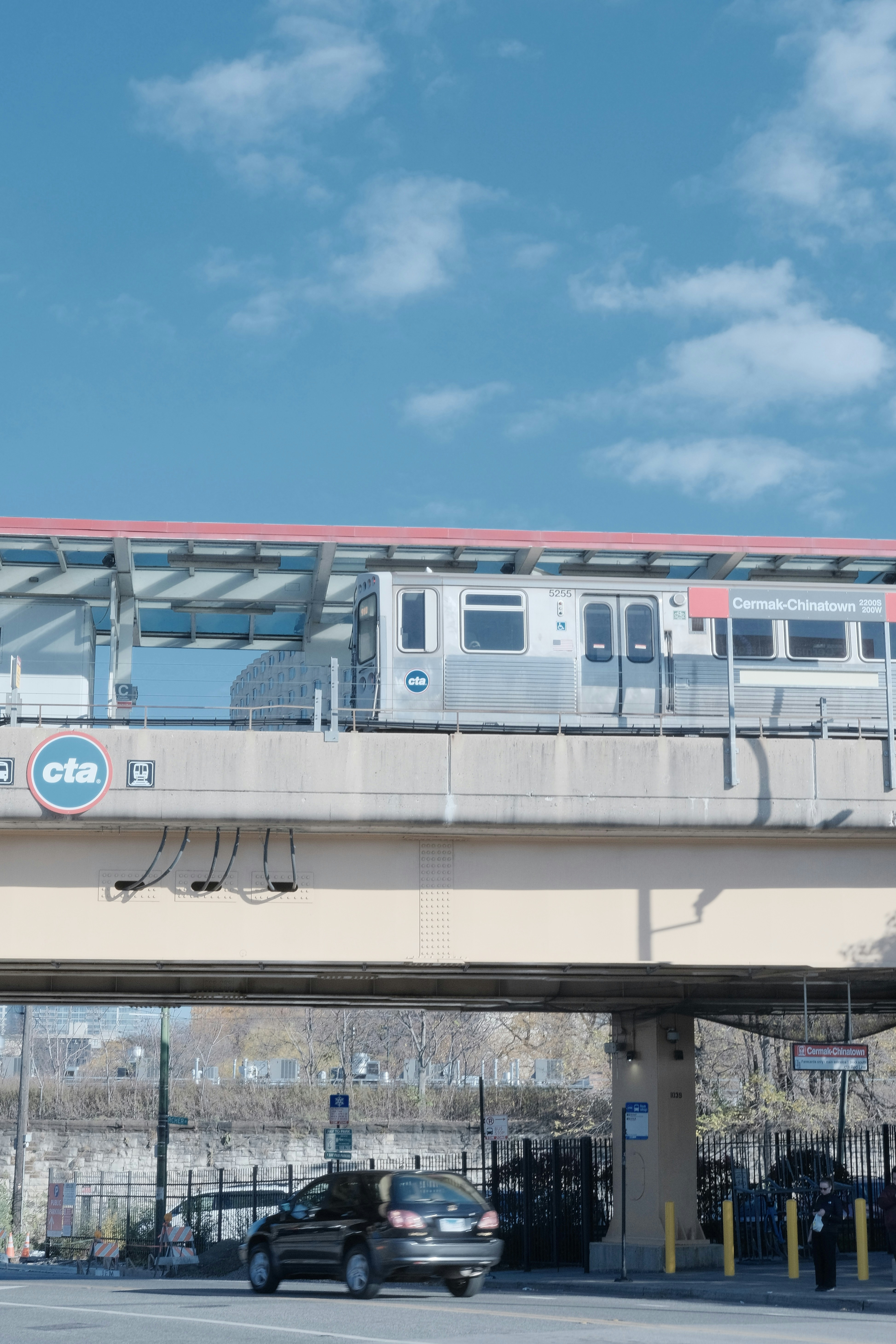
Introduction: Understanding the Blue Line
The Blue Line is emblematic of urban transit systems, often serving as a vital artery in metropolitan areas. In cities renowned for their transportation challenges, the Blue Line represents not only a means of travel but also a complex interplay of societal factors that contribute to the commuter experience. Urban transit lines, including the Blue Line, frequently face issues such as overcrowding, delays, and infrastructural strain, which exacerbate the daily struggles of individuals navigating the cityscape.
As people rely on public transportation for their daily commute, the concept of the “invisible backpack” emerges, symbolizing the myriad burdens that commuters carry—both tangible and intangible. This metaphor captures the weight of emotional, social, and physical stressors associated with commuting in busy urban environments. These burdens may include work-related pressures, family responsibilities, and the simple act of managing one’s time efficiently. The invisible backpack concept illustrates how these accumulated stresses can significantly influence a commuter’s experience, making a journey on the Blue Line feel overwhelming at times.
Moreover, understanding the Blue Line necessitates acknowledging the broader context in which it operates. Factors such as socio-economic disparities, urban planning, and the frequency of service have profound effects on how effectively the system can meet the needs of its users. As we delve deeper into the intricacies of the Blue Line and the chaos that can ensue, the invisible backpack serves as a reminder of the often-unseen challenges commuters endure. This exploration not only sheds light on the daily tribulations experienced by riders but also invites a reevaluation of how urban transit systems like the Blue Line can evolve to address these complexities, ultimately enhancing the overall commuter experience.
Defining the Invisible Backpack
The term “invisible backpack” serves as a poignant metaphor that encapsulates the various stresses, mental loads, and emotional burdens individuals carry, particularly in the context of commuting on the Blue Line. Unlike physical baggage, which is readily apparent, this metaphor highlights the unseen yet substantial influence these factors have on commuters’ behavior and overall experiences. Commuters often grapple with a myriad of personal issues, from work-related stress to family responsibilities, which collectively contribute to this invisible load.
Moreover, the social dynamics encountered during transit play a critical role in the construction of one’s invisible backpack. Interactions with fellow passengers can evoke feelings of camaraderie, but they can also lead to discomfort and anxiety, especially in crowded or tense situations. Factors such as societal expectations and peer pressures may exacerbate these feelings, further amplifying the weight of the invisible backpack.
The unpredictability of transit systems adds another layer of complexity to the invisible backpack. Delays, overcrowding, and service disruptions not only irritate commuters but also heighten their stress levels, causing anxiety to accumulate. This unpredictability can be psychologically taxing, leading to negative emotional reactions and influencing how individuals react to their surrounding environment.
In summary, the invisible backpack metaphor encapsulates the multifaceted emotional and psychological burdens individuals carry while commuting. It emphasizes the significance of those unseen elements that can affect a commuter’s day-to-day experiences, especially on the Blue Line. By acknowledging these hidden weights, we gain better insight into the challenges faced by daily travelers in urban transit environments.
The Impact of Stress on Commuting Behavior
Commuting via the Blue Line can be an intricate experience, particularly for those burdened by the invisible weight of stress, often referred to metaphorically as the “invisible backpack.” This concept encapsulates the accumulated pressures individuals carry, which may include work-related responsibilities, personal issues, or broader socio-economic concerns. The psychological effects of this stress manifest in various ways, significantly influencing commuting behavior and overall transit experiences.
Research has shown that increased stress levels are directly correlated with heightened anxiety and frustration among commuters. For example, a study by the Transportation Research Board highlights that individuals facing time constraints or feeling overcrowded are likely to experience elevated stress, leading to aggressive reactions toward fellow passengers and transit staff. The pressures of commuting in such a tense environment can result in impatience, which often exacerbates the chaos within the transit system.
Furthermore, stress may cultivate a sense of disengagement among commuters. Many individuals resort to isolating themselves through the use of personal devices, creating a barrier between themselves and their surroundings. While this might be a coping mechanism, it inadvertently contributes to a collective atmosphere of disconnection and tension. As commuters become more absorbed in their own worlds, the opportunities for social interaction diminish, further heightening feelings of loneliness and anxiety.
Additionally, the influence of stress on aggression cannot be overlooked. Studies indicate that the more burdened a commuter feels, the more likely they are to express irritation, which may lead to confrontational behavior. This cycle of stress, impatience, and aggression illustrates the profound impact that psychological pressures have on commuting behavior. The journey on the Blue Line, therefore, extends beyond mere transportation, reflecting a complex interplay between individual emotions and the collective experience of the transit system.
Case Studies: Real-Life Experiences on the Blue Line
The Blue Line serves as a vital artery for many commuters, yet the experiences of those who traverse it daily are varied and complex. One commuter, Jane, recounts her morning rides: “Every day feels different – some days, the air is thick with tension, while others, it feels almost communal. What surprises me most is how people behave differently depending on the time of day.” Jane’s experience illustrates how the atmosphere can shift dramatically, affected by the invisible backpacks carried by her fellow travelers, which often contain a mix of frustrations, anxieties, and unexpressed emotions.
In stark contrast, Michael, a longtime rider, detailed a more reflective experience. He described how the invisible backpack metaphor resonates deeply with him: “I often find myself empathizing with the people around me. We are all carrying something invisible – whether it’s stress from work or personal issues. It creates this unspoken bond among us. Many times, I’ve started conversations that led to unexpected connections.” Michael’s perspective emphasizes the potential for camaraderie amid the chaos, as riders may inadvertently forge friendships in the confined space of the Blue Line.
These real-life experiences reflect a microcosm of urban life on the Blue Line, where individuals maneuver through their personal challenges while navigating a shared journey. The invisible backpack, in all its complexities, not only shapes individual perceptions but also alters the fabric of community within this essential transit system.
The Role of Transit Authorities in Alleviating Chaos
The responsibilities of transit authorities in curbing the chaos experienced on the Blue Line are both extensive and critical. These agencies must engage in proactive measures to improve the overall commuter experience while addressing the complex challenges posed by the so-called “invisible backpack.” This term refers to the emotional and mental burdens that some passengers carry, which can manifest in various disruptive behaviors during travel. As such, transit authorities need to implement effective strategies to mitigate these issues.
One of the primary initiatives currently employed by transit authorities involves regular service updates. By ensuring timely communication regarding delays, scheduled maintenance, and operational disturbances, transit agencies can manage commuter expectations and reduce frustration levels. Moreover, these updates can provide valuable insights into how best to navigate the system during peak hours, proactively alleviating chaos.
In addition to service improvements, transit authorities have also recognized the importance of mental health resources in supporting their commuter base. Collaborations with local mental health organizations have led to outreach programs aimed at addressing mental health issues that may contribute to chaotic situations on the Blue Line. These programs include workshops, information campaigns, and support hotlines designed to assist individuals who may need help in managing their emotional burdens.
Public campaigns that raise awareness about the invisible backpack are another crucial component of the authorities’ efforts. By educating the public on the complexities of mental health, transit authorities can foster a more empathetic environment, encouraging passengers to be understanding of each other’s challenges. Recommendations for further actions include expanding partnerships with mental health organizations to provide on-site assistance and utilizing data-driven approaches to identify and assist high-stress areas within the transit network more effectively.
Community Responses and Support Networks
The tumultuous nature of commuting on the Blue Line has prompted various community responses, which serve to alleviate the stress faced by riders on a daily basis. As the chaos continues to grow, many individuals have come together to form grassroots organizations aimed at enhancing the commuting experience. These groups foster a sense of unity among commuters, allowing them to share their experiences and strategies for coping with the inevitable disruptions.
One notable approach taken by these communities is the establishment of support networks designed for effective communication among commuters. These networks utilize social media platforms and messaging apps to provide real-time updates about delays, schedule changes, and other key information relevant to riders. This concerted effort not only helps in disseminating crucial information but also cultivates a sense of camaraderie among passengers, who often find themselves navigating similar challenges.
Furthermore, community organizations often host meetings and events that encourage dialogue about the issues affecting the Blue Line. These gatherings provide a platform for commuters to voice their concerns, share solutions, and collaborate on initiatives to improve the transit environment. For instance, some groups have initiated campaigns to advocate for enhanced services and better infrastructure. Their efforts not only aim to pressure transit authorities but also foster a collective identity among riders.
Moreover, support networks have introduced informal meetups, offering commuters a chance to connect personally with one another. This social aspect helps mitigate feelings of isolation and disconnection that can arise during stressful commuting experiences. By creating these supportive relationships, communities are not just tackling logistical issues but also addressing the emotional toll associated with commuting chaos. Through mutual aid and understanding, residents can better navigate the complexities of the Blue Line, ensuring that they are not alone in their struggles.
Innovative Solutions to Mitigate Commuter Stress
The challenges faced by commuters, often exacerbated by the metaphorical “invisible backpack,” are prompting cities and transit authorities to explore innovative solutions aimed at alleviating stress during travel. One key area of focus is the implementation of stress-relief initiatives designed to create a more calming environment within transit systems. For example, some cities have introduced designated quiet zones on public transportation, where noise levels are kept to a minimum, allowing passengers to find solace during their commutes.
In addition to spatial innovations, technology plays a crucial role in addressing commuter stress. A range of mobile applications has emerged, focusing on mental well-being. These apps provide users with tools to track their mood, access guided meditation sessions, or receive instant stress-relief techniques during their travels. By integrating these digital solutions into the daily commute, cities can empower individuals to manage their mental health proactively, effectively reducing the burdens associated with the invisible backpack.
Moreover, enhancements to the transit experience itself can significantly contribute to a less chaotic atmosphere. Some forward-thinking cities have begun to implement real-time journey planners that provide commuters with updated information on train schedules, crowd levels, and potential delays. Such tools not only enable better planning but also decrease anxiety related to uncertainty during commutes. For example, systems that utilize predictive analytics can inform passengers about peak travel times, guiding them to adjust their travel habits accordingly.
Looking beyond local geography, it’s beneficial to study best practices from other urban environments that have successfully reduced commuter stress. Cities like Copenhagen have adopted integrated transport systems and facilities that prioritize cycling and pedestrian pathways, offering commuters alternative routes that enhance convenience and comfort. By examining these practices, other cities can tailor their approaches to mitigate the invisible backpack’s impact and improve overall commuter well-being.
Personal Strategies for Navigating the Chaos
As commuters traverse the often tumultuous experience on the Blue Line, devising personal strategies to manage the metaphorical “invisible backpack” becomes essential. This invisible backpack represents the emotional and psychological burdens we carry. Implementing effective techniques can significantly enhance the commuting experience.
Mindfulness techniques play a crucial role in creating a sense of calm amidst chaos. Practicing mindfulness involves focusing on the present moment, which can help reduce anxiety associated with environmental stressors. Simple exercises, such as deep breathing or observing surrounding sights and sounds, can ground commuters and allow them to navigate their journeys with greater clarity. By incorporating mindfulness into their daily routine, individuals can lessen the weight of their invisible backpack.
Time management skills also contribute significantly to a more enjoyable commute. By effectively planning travel schedules, commuters can avoid the stress of unexpected delays. Utilizing apps that provide real-time updates on transit schedules can help individuals leave home with sufficient time, allowing for a more relaxed journey. Allocating buffer time for unforeseen circumstances enables passengers to feel more in control and less rushed, effectively curbing anxiety levels.
Engaging socially during commutes can transform the perception of traveling on the Blue Line. Initiating conversations with fellow commuters or connecting with friends can replace feelings of isolation with a sense of community. Additionally, finding ways to contribute positively to the environment, such as offering assistance or sharing a smile, fosters a welcoming atmosphere for all passengers.
Creating a positive commuting routine is fundamental in mitigating stress. This could involve selecting uplifting podcasts, reading enjoyable books, or engaging in stimulating discussions through social media groups focused on the commuting experience. Overall, these personal strategies not only help in managing the burdens of the invisible backpack but also enhance the overall quality of life for those who regularly navigate the chaos of the Blue Line.
Conclusion: Embracing the Journey
As we reflect on the intricate dynamics of the Blue Line, a recurring theme surfaces: the invisible burdens we all carry, symbolized by the metaphorical backpacks. These invisible backpacks encompass not just the personal challenges faced by individual commuters but also the broader societal issues influencing public transport experiences. Throughout this discussion, we have highlighted how these unseen challenges lead to frustrations and unanticipated chaos within the transit system.
Encouragingly, the path to addressing these complexities does not rest solely on the shoulders of transit authorities. It calls for collective action involving communities, service providers, and the commuters themselves. By fostering open dialogue about the obstacles we encounter daily, we can cultivate empathy and understanding among all parties involved. Acknowledging our invisible backpacks can potentially transform the Blue Line into a more accommodating and harmonious environment for everyone.
Transit authorities must remain vigilant and proactive in implementing solutions that consider the varied backgrounds and challenges faced by commuters. Enhancements such as better resource allocation, improved communication about services, and infrastructural upgrades can significantly mitigate daily stressors. However, it is equally crucial for communities to nurture a culture of acceptance and kindness, creating a shared sense of responsibility for one another’s experiences.
Ultimately, embracing the journey on the Blue Line entails recognizing the collective struggles and triumphs of its passengers. Through compassion, commitment, and collaboration, we can endeavor to transform the chaos of the present into a more supportive and efficient transit network. Together, by acknowledging our invisible backpacks and working hand in hand, we can envision a brighter future for transit that harnesses the potential of every individual it serves.
The Birth of Video Games: 1950s-1970s
The origins of video games can be traced back to the mid-20th century, a period marked by significant advancements in computing technology. The 1950s and 1960s witnessed early experiments with computer programming, which laid the groundwork for the interactive entertainment we know today. Among the pioneering efforts was the creation of simple games that would eventually evolve into the complex titles dominating the industry.
One notable example is "Tennis for Two," developed by physicist William Higinbotham in 1958. This game was played on an oscilloscope and simulated the game of tennis, providing a glimpse into the potential of electronic gaming. Even though rudimentary, it demonstrated how computers could be utilized to create engaging user experiences. Another milestone was "Spacewar!" in 1962, a two-player space combat simulation that paved the way for future multiplayer gaming systems.
The 1970s marked a significant leap forward in the gaming landscape, largely influenced by the release of arcade machines. The launch of "Pong" in 1972, developed by Atari co-founder Nolan Bushnell, exemplifies this transformation. This table-tennis simulation became immensely popular in arcades and served as the first commercially successful video game. It illustrated how interactive entertainment could attract a broader audience, thus laying the foundation for the fast-growing gaming industry.
The technology of this era also progressed rapidly, leading to the development of home consoles. Systems like the Magnavox Odyssey, launched in 1972, generated excitement in household gaming. These early creations not only captivated the public's interest but also set the stage for future innovations in graphics, gameplay, and game design. The birth of video games during this period ultimately established a cultural phenomenon that continues to thrive.
The Rise of Home Consoles: The 1980s Boom
The 1980s marked a significant turning point in video game history, characterized by the remarkable rise of home consoles that transformed the way people interacted with gaming. At the forefront of this evolution was the Atari 2600, which had already established a strong gaming presence in the late 1970s. However, it was the introduction of the Nintendo Entertainment System (NES) in the mid-1980s that truly ignited a gaming revolution, leading to an explosion in home video game culture.
During this decade, video game consoles began making their way into households across the globe, fostering a new form of entertainment that captivated audiences of all ages. Families gathered around their television sets to experience the joys of gaming together, signaling a profound shift in leisure activities. The NES, in particular, became a household name, with its innovative design and an extensive library of games that appealed to a wide demographic. Iconic titles such as Super Mario Bros. and The Legend of Zelda not only showcased the graphics and gameplay capabilities of the NES but also laid the foundation for deeply-engaging narratives that would become a hallmark of video games in the decades to come.
This surge in popularity essentially gave rise to a distinct video game culture, characterized by game magazines, fan communities, and the burgeoning e-sports scene. Events held around popular titles drew huge crowds, further solidifying the status of gaming as a legitimate form of leisure. The era undoubtedly marked the beginning of unprecedented innovations, with countless third-party developers emerging, creating a competitive market that drove the evolution of gaming technology. With this increase in home gaming, the 1980s set the stage for a vibrant culture that continues to thrive today, laying a foundational block in the extensive history of video games.
The Crash of the Video Game Market: 1983
The early 1980s marked a significant period in the history of video games, culminating in the catastrophic market crash of 1983. Various factors contributed to this downturn, beginning with the oversaturation of the video game market. During this time, numerous companies entered the industry, spurred by the rapid success of the video game phenomenon. This unchecked inflow led to a flood of titles, many of which were of notably poor quality. As consumers were inundated with countless subpar games, public interest began to wane.
Additionally, the gaming landscape was shifting, as consumer preferences evolved. The advent of home computers offered a new, sophisticated means of entertainment that captivated audiences. Unlike most console games that relied on simplistic graphics and gameplay mechanics, personal computers began to provide more robust experiences, featuring intricate storylines and enhanced graphics capabilities. This transition significantly diminished demand for traditional video game consoles and contributed to the dwindling sales that plagued the industry.
The ramifications of the 1983 video game crash were profound. Many of the prominent companies of the time, such as Atari, faced bankruptcy as they struggled to adapt to the changing market. The collapse resulted in a certain level of stigma surrounding video gaming, causing advertisers and retailers to shy away from what had once been a booming market. Fortunately, this downturn also paved the way for future innovation. It eventually led to a period of reevaluation within the industry, setting the stage for the resurgence of video games through rigorous quality control and the emergence of new, pioneering companies. Indeed, the video game crash became a pivotal moment in the history of gaming, highlighting the importance of quality and consumer engagement in a rapidly evolving field.
The 16-Bit Revolution: Mid-1980s to Early 1990s
During the transition from the 8-bit era to the 16-bit revolution, an unmistakable shift occurred in the world of video gaming. This period, which spanned from the mid-1980s to the early 1990s, witnessed advancements that profoundly transformed both the hardware and the gaming experience. The introduction of 16-bit consoles, particularly the Sega Genesis and the Super Nintendo Entertainment System (SNES), set new standards for graphics, sound, and gameplay, contributing significantly to the popularity of video games.
One of the most notable changes was in graphical fidelity. The 16-bit consoles allowed for a wider color palette and more detailed sprite animations, which enhanced the visual appeal of games. Titles such as Super Mario World and Sonic the Hedgehog emerged during this time, showcasing the potential of 16-bit graphics. These games not only pushed technological boundaries but also laid the foundation for character-driven narratives, a significant evolution in game design.
The audio experience also evolved dramatically with the 16-bit transition. Prior to this period, video game soundtracks were limited by technological constraints. However, with the introduction of superior sound chips, composers began to craft more elaborate and memorable scores. This shift not only enriched the gaming atmosphere but also gave rise to iconic themes that are still celebrated by fans today.
Furthermore, the focus on franchises and character development became more pronounced during this era. Games began to feature recurring characters and interconnected stories, fostering a sense of continuity and loyalty among players. Titles like The Legend of Zelda: A Link to the Past and numerous fighting game franchises exemplified this trend, showcasing how the legacy of characters could drive a game's lasting appeal.
The Advent of 3D Gaming: 1990s Innovations
The 1990s marked a significant turning point in the landscape of video gaming, primarily driven by the advent of 3D graphics. This evolution changed how players interacted with their virtual environments, delivering more immersive experiences than ever before. One of the landmark releases during this era was Doom, which made its debut in 1993. This title not only popularized the first-person shooter genre but also introduced players to a fully-rendered 3D world, giving them the autonomy to navigate through its complex mazes armed with an array of weapons. The innovative technology behind Doom laid the foundation for what would come to define gaming in the following years.
Another critical development occurred with the launch of Final Fantasy VII in 1997. This Japanese role-playing game was pivotal in introducing a rich narrative combined with 3D graphics that allowed for cinematic storytelling. Players could now engage in an emotionally-driven journey, featuring well-developed characters and interactive environments. The use of pre-rendered backgrounds juxtaposed with 3D models expanded the possibilities of game design, allowing developers to create visually stunning and narratively rich worlds.
Super Mario 64, released in 1996, also played a crucial role in the transition to 3D gaming. It was one of the first games to successfully utilize three-dimensional gameplay mechanics. Players were granted a level of freedom in movement that was unprecedented, allowing them to explore vivid landscapes from various angles. The combination of innovative camera mechanics and gameplay design not only redefined platform gaming but also set new standards for future 3D titles.
Overall, the innovations that flourished in the 1990s paved the way for a new era of gaming. With the emergence of consoles like the Sony PlayStation, 3D gaming became more accessible to the general populace, solidifying its impact on game design, storytelling, and gameplay mechanics. As the industry continued to evolve, the foundations laid in this decade would influence countless future developments in gaming technology.
The Online Gaming Revolution: Late 1990s to Early 2000s
In the late 1990s, the landscape of video gaming began to shift dramatically with the advent of online gaming. The proliferation of the internet during this period enabled gamers to connect with one another in ways that had previously been unimaginable. This new era introduced a range of multiplayer capabilities that revolutionized how video games were played, fostering a sense of community and competition among players across the globe.
PC gaming was at the forefront of this transformation, with titles such as 'Counter-Strike' and 'Quake III Arena' establishing themselves as exemplars of online multiplayer experiences. These games not only emphasized skill and strategy but also poised players against each other in adrenaline-filled matches. The rise of platforms such as Blizzard’s Battle.net further facilitated this shift by enabling users to engage with friends and strangers alike, laying the groundwork for future online gaming ecosystems.
However, it was the emergence of Massively Multiplayer Online Games (MMOs) that truly defined this period. 'EverQuest,' released in 1999, is often credited with popularizing the MMO genre, allowing thousands of players to inhabit the same virtual world simultaneously. This game set the stage for subsequent successes, notably 'World of Warcraft' in 2004, which took the gaming community by storm, amassing millions of subscribers and providing a rich, interconnected environment that encouraged social interaction.
The cultural impact of online gaming during this era cannot be understated. Online communities flourished, giving rise to forums, clans, and social networks centered around shared gaming experiences. This social aspect fostered competitive gaming, eventually leading to the eSports phenomenon. The late 1990s to early 2000s marked a pivotal shift, where gaming transitioned from solitary play to a dynamic, interactive experience that would influence countless facets of entertainment in the years to come.
Mobile Gaming and Casual Gaming: The 2000s Shift
The 2000s marked a significant turning point in the landscape of video gaming, primarily driven by the rapid advancement of mobile technology. As smartphones began to proliferate, they introduced a new platform for gaming that was more accessible than ever before. This innovation transformed the way people interacted with video games, paving the way for mobile gaming and casual gaming to become mainstream entertainment.
One of the most notable impacts of mobile gaming was the introduction of app stores, such as Apple's App Store and Google Play. These platforms provided developers with the tools to reach vast audiences with relatively low barriers to entry. As a result, we witnessed the rise of popular titles such as 'Angry Birds' and 'Candy Crush Saga'. These games epitomized the casual gaming phenomenon, offering engaging yet straightforward gameplay that appealed to a wide demographic beyond traditional gamers.
The success of these titles illustrated a shift in gaming culture, where gaming was no longer confined to dedicated consoles or PCs. Instead, it became a part of daily life, with players engaging in quick, bite-sized gaming sessions during commutes or breaks. This accessibility not only enhanced the gaming experience but also attracted a new audience, including older adults and casual players who had previously been elusive to the gaming market.
Moreover, the influence of social media and networking also transformed how games were perceived and played. Features like sharing scores, challenging friends, and social interaction created a community around mobile and casual games, which further fueled their popularity. Consequently, game developers began to focus on creating engaging, social gaming experiences that emphasized collaboration and competition.
In summary, the 2000s shift towards mobile and casual gaming fundamentally altered the gaming landscape, expanding its reach and diversifying its audience. This evolution not only reflected the changing technological environment but also challenged existing notions of what gaming could be, making it an integral aspect of contemporary digital culture.
The Modern Era: Indie Games and Streaming Culture
The transition into the modern era of video gaming has seen the emergence of independent (indie) games gaining significant traction. Unlike traditional games, which often require substantial funding from major publishers, indie games are typically developed by small teams or individual creators. This shift has been accompanied by a growing appreciation for creativity, innovation, and storytelling. Notable titles such as Braid, Undertale, and Hollow Knight showcase the depth and artistic vision that independent developers can achieve with relatively modest resources.
Braid, released in 2008, is often heralded as a pioneer of indie gaming. It challenged conventional gameplay mechanics while presenting a narrative that delved into themes of time and regret. Similarly, Undertale revolutionized storytelling in video games with its unique approach to player choices and consequences, fostering emotional connections unlike many mainstream titles. Meanwhile, Hollow Knight exemplified the quality and craftsmanship that indie games can deliver, celebrated for its intricate design and atmospheric world.
Alongside the rise of indie games, the proliferation of game streaming platforms such as Twitch has transformed how games are consumed and experienced. These platforms enable gamers to watch live gameplay, interact with streamers, and foster community bonds. This streaming culture has significantly enhanced the visibility of indie titles, allowing smaller developers to reach a broader audience without the extensive marketing budgets traditionally required. The ability to showcase gameplay in real-time has led to a dynamic word-of-mouth marketing effect, driving sales and interest.
Social media platforms further amplify these trends, providing a space for players to share their experiences, engage with content creators, and discover new games. The interactivity and immediacy of these channels create a robust gaming environment, where trends can shift rapidly. Together, the growth of indie gaming and the influence of streaming culture exemplify the evolving landscape of the video game industry, showcasing innovation and engagement like never before.
The Future of Gaming: Trends and Predictions
The gaming industry stands on the brink of significant transformation, driven by various technological advancements that are shaping its future. One of the most notable trends is the integration of Virtual Reality (VR) and Augmented Reality (AR) technologies into gaming experiences. These immersive technologies offer players an entirely new way to interact with games, moving beyond traditional interfaces. As VR and AR become more accessible and affordable, they are likely to become mainstream, enhancing realism and engagement.
Another burgeoning area is cloud gaming, which allows players to stream games directly to their devices without the need for high-end hardware. This trend facilitates access to a wider audience, enabling users with less powerful devices to partake in sophisticated gaming experiences. Major industry players are investing heavily in cloud solutions, suggesting that this model may redefine how games are distributed and monetized.
Furthermore, the rising influence of artificial intelligence (AI) in game development cannot be overstated. AI technologies are enhancing game design, from creating intelligent non-player characters (NPCs) to personalizing gaming experiences based on player behavior. By leveraging AI, developers can streamline content creation, reduce development time, and improve gameplay mechanics, thus reshaping the creative process behind games.
As the gaming landscape continues to evolve, additional trends such as cross-platform play and the diversification of game genres will likely emerge. These changes aim to foster inclusivity and enhance community engagement among players. Adapting to these trends will be crucial for developers seeking to maintain relevance in this rapidly evolving market.
In conclusion, the future of gaming is poised for notable changes driven by technological advancements such as VR, AR, cloud gaming, and AI. Embracing these trends will not only redefine gameplay but also expand the industry's reach and impact on a global scale.