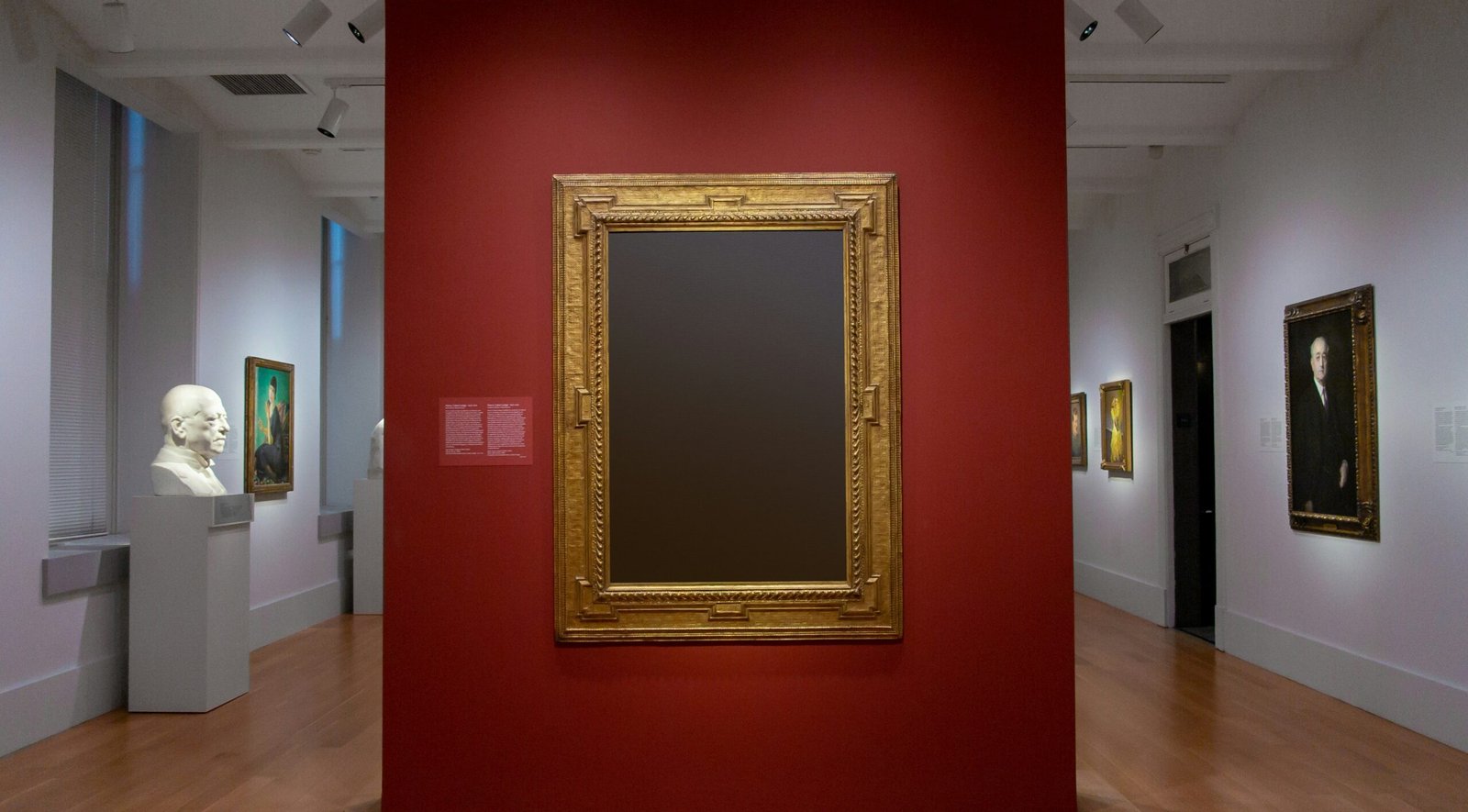
The Accidental Masterpiece: A Janitor’s Journey to Unintentional Art Fame

Spread the love
The Accidental Masterpiece: A Janitor's Journey to Unintentional Art Fame

Introduction: Meet Barnaby the Janitor

In the vibrant corridors of a prestigious modern art museum, where creativity knows no bounds, there exists a figure often overlooked—Barnaby, the janitor. Sweeping through the galleries, he embodies the essence of routine, armed with a mop and a bucket, striving for a simple desire: to complete his shift unimpeded. Barnaby is not an artist by any means; he is a middle-aged man, often clad in a faded uniform, with whimsical thoughts about life outside the museum’s walls.

On a daily basis, Barnaby tackles spills, meticulously dusts sculptures, and maintains the pristine appearances of galleries filled with thought-provoking artworks. The world around him, bursting with creativity, greatly contrasts his mundane existence. His only goal is to fulfill his responsibilities quietly and head home without encountering any disruptions. Little does he know that his life is about to take an unexpected turn.

His clumsiness, while often a source of embarrassment, is an endearing trait that composes part of his character. From accidentally knocking over a statue while trying to clean it to misplacing essential cleaning supplies, each mishap brings a distinct charm to Barnaby’s journey. The banality of his daily tasks is shattered by unintentional bloopers that, perhaps, contribute to the artful atmosphere he inhabits.

As Barnaby continues to navigate the complexities of his role amidst masterpieces, he remains blissfully unaware that his interactions with these artistic expressions are set to alter the perception of not only himself but also the world of art surrounding him. His role as a janitor may seem inconsequential, but it is within this unassuming narrative that an extraordinary story begins to unravel, drenched in humor and unintentional genius.

The Grand Opening Gala: Setting the Scene

The atmosphere at the opening gala of the ‘Invisible Emotions’ exhibit was nothing short of breathtaking, epitomizing the essence of upscale art culture. As attendees entered the expansive and elegantly lit gallery, they were immediately enveloped by a sense of exclusivity and sophistication. Chameleonic colors danced across the walls, reflecting the exhilarating mood of the evening, while soft music floated through the air, harmonizing with the gentle clinking of crystal glasses.

High-profile guests adorned the space, seemingly transported from the glossy pages of elite magazines. Billionaires, known for their wealth and penchant for the extravagant, strolled confidently among art critics and curators who effortlessly blended intellect with style. Engage in conversation, these distinguished individuals navigated between pieces of art, many of which were created by Barnaby, a janitor whose unexpected journey into the realm of artistry had captivated the art community.

The contrast between Barnaby’s humble beginnings and the glamorous surroundings was stark. In the heart of this elite gathering, one could feel the palpable tension as critical art aficionados exchanged opinions, assessing the unintentional brilliance emanating from Barnaby’s work. Each brushstroke, though born from an untrained hand, resonated with raw emotion, prompting discussions that lit up the room with enthusiasm. Guests shared laughter and insights, the buzz around the profound nature of Barnaby’s creations growing louder.

Meanwhile, motifs of the exhibit echoed themes of disconnection and longing, resonating deeply with the emotions of the attendees. The opulent setting transformed into a backdrop for deep reflection, weaving a narrative of how a simple janitor could command such attention among the elite, allowing art to transcend its traditional boundaries. This unique intersection of class and creativity spoke volumes, steadily elevating Barnaby’s status in the art world, unintentionally turning him into a figure of intrigue and admiration.

The Catastrophic Spill: A Janitor’s Role

On an otherwise ordinary day at the prestigious art gallery, Janitor Barnaby found himself on the precipice of a moment that would alter the course of his life. He was assigned to perform his routine cleaning duties amidst the buzz of an important exhibition opening. It was during this busy event, aimed to showcase the latest creations of renowned artists, that catastrophe struck. In a moment of carelessness, Barnaby lost grip on his janitorial cart, allowing the bottles of various cleaning supplies to tumble onto the polished marble pedestal housing a modern art installation.

The cacophony of the bottle’s crash echoed through the gallery, drawing the attention of guests and gallery staff alike. Alarmed gasps filled the air as vivid, colorful chemicals cascaded over the pedestal, mingling pathetically with the pristine sculpture that had taken months to perfect. Barnaby’s heart raced as he witnessed the unfolding disaster, his mind racing to comprehend the impact of his actions. The sight of the revered canvas now drenched in vibrant hues evoked a profound sense of dread, as he realized how gravity-bending his simple mistake was.

Desperate to remedy the situation, Barnaby hurriedly scrambled for cloths and mops, his anxious movements betraying his intention. He wiped and scrubbed with fervor, yet the rich colors seemed to bloom with life, transforming the once-staid exhibition piece into something unnervingly theatrical. He could feel the eyes of spectators fixating on him, their expressions a mix of bewilderment and disbelief. The atmosphere became charged, imminent tension crackling around as Barnaby grasped the enormity of his blunder. It was in this turmoil that the unremarkable janitor confronted the unintended possibility of becoming entwined in art history, his fate intertwined with a catastrophe he never intended to create.

The Critic’s Revelation: How Accidental Art is Born

In the realm of contemporary art, the unexpected often becomes the fertile ground from which profound pieces spring forth. This is exemplified through the story of Barnaby, a janitor unwittingly thrust into the spotlight by a series of accidents that led to the creation of what some would regard as extraordinary art. Enter the world’s most renowned art critic, Victor Von Grayson, whose reputation for dissecting even the most obscure artworks is unparalleled. Upon stumbling into Barnaby’s chaotic workspace one fateful afternoon, he was struck by a blend of colors and forms haphazardly strewn across the floor.

What began as an accidental mess soon transformed in Victor’s mind into a metaphorical commentary on modern existence, a concept he eagerly articulated. With a flourish of phrases brimming with academic jargon, he described the milieu as “an exploration of chaos within order, a sublime reflection on the human condition.” The irony of this interpretative leap was not lost on observers, as it became a source of humor, highlighting the sometimes absurd nature of art criticism. Such an exaggerated reading of Barnaby’s work at first seemed incongruous but subsequently gained traction among the art community.

This moment of accidental creation led to a growing movement within avant-garde circles, where the notion that art can emerge from error became a defining characteristic. Enthusiastic discussions ensued, leading insightful minds to ponder what defines art itself. As Victor’s interpretations gained traction, the line between genuine artistic intention and the spontaneity of creation blurred, igniting spirited debates and reminding us that sometimes, even the most chaotic of scenarios can birth beauty and intrigue. Barnaby, once just a janitor, inadvertently became a catalyst for a fresh exploration of the often difficult line between artistry and accidental creation.

Barnaby, a humble janitor by profession, finds himself at the center of an unexpected whirlwind following the accidental creation of a piece of art that captured the public’s attention. The enormity of his unintentional fame poses a unique dilemma for him: should he reveal the truth behind the artwork or succumb to the advice provided by the museum director, who strongly urges him to maintain the façade? This decision not only impacts his reputation but also weighs heavily on his psyche.

On one hand, speaking the truth could liberate Barnaby from the pressures associated with being falsely branded a genius. He feels overwhelmed by the mounting expectations and the fear that he may never live up to the acclaim. Being thrust into the spotlight contradicts his nature, stirring anxiety about whether he belongs there in the first place. Despite his feelings of guilt and fear of being revealed as a fraud, the idea of speaking out raises legitimate concerns regarding his job security. If he violates the trust of the museum and its patrons, what implications could this have on his employment?

On the other hand, perpetuating the lie seems to provide a temporary safety net, assuring him continued employment and the admiration of his peers. The director argues that maintaining the myth could offer opportunities for growth and additional recognition for Barnaby. Herein lies the complexity of his predicament: to choose integrity and risk losing everything he currently has or to embrace the deceit to preserve the status quo.

This psychological battleground leaves Barnaby at a crossroads. The moral implications of his decision are profound—not only for himself but also for the way art and authenticity are perceived in a society that often values reputation over reality. As he grapples with the dichotomy between truth and survival, the weight of this decision remains a significant burden on his conscience.

Maintaining the Illusion: The Crisis of the Sandwich

The peculiar tale of a ham sandwich not only highlights the unpredictable nature of art but also serves as a comical reflection on the art community’s unexpected narratives. As the sandwich, initially exhibited as part of a temporary installation in a low-profile gallery, began to deteriorate, it inadvertently transformed into a subject of heated discussion. Day by day, the scent permeated the gallery, signaling its decay. Yet, rather than simply recognizing the sandwich as a spoiled meal, critics and enthusiasts alike began to concoct elaborate interpretations.

Some members of the art community posited that the evolving aroma signified humanity’s neglect of organic substances in an ever-industrialized world. The sandwich, in its state of decline, became a symbol of the fleeting nature of life, prompting reflections on consumerism and waste. Such reactions underscored the broader tendency within the art world to extract philosophical meaning from the most mundane of objects. As the sandwich grew progressively rancid, it strangely earned a reputation, even becoming a mainstay in discussions around contemporary art.

Gallery-goers would stand before the increasingly malodorous exhibit with expressions of contemplation, sharing thoughts on how this culinary artifact related to themes of existentialism and decomposition. Ironically, while the sandwich was meant to represent none of these ideas, it stumbled upon a paradox: the more it decayed, the more value it seemed to gain in the eyes of critics who often fall prey to the allure of metaphoric interpretations.

This situation exemplifies how perception can shape reality in the art world. The ham sandwich crisis not only entertained but sparked dialogues about innovation and authenticity in art. In this realm, where the bizarre often becomes celebrated, the sandwich holds its place as an unintentional masterpiece, a curious footnote in the annals of artistic endeavors—a testament to the unpredictable dynamics of modern art.

The Performance: Art Meets Labor

In a rather unexpected turn of events, Barnaby found himself unwittingly thrust into the realm of performance art. During a particularly busy exhibition at the contemporary art gallery, he was asked to mop near a striking pedestal that showcased an avant-garde sculpture. This simple request soon spiraled into an elaborate commentary on the often-overlooked relationship between labor and art. Unbeknownst to Barnaby, his actions were being framed as part of a larger narrative, intended to engage viewers in a thought-provoking reflection on the nature of work.

The irony of this situation was not lost on the audience. Here was a janitor, a figure typically associated with menial tasks and unnoticed efforts, suddenly cast in the spotlight as an emblem of labor. The absurdity of paying substantial admission fees to witness someone perform a task as routine as mopping while standing next to a sophisticated piece of art was not only entertaining but also baffling. This juxtaposition stirred intrigue among gallery-goers, prompting them to ponder the significance of such mundane activities when juxtaposed with high art. Some found it hilarious to witness the focus shift from the carefully curated installation to the average janitor going about his work.

As Barnaby wiped the floor, viewers stood captivated, debating the merits of this spontaneous display of labor and pondering its artistic value. Through this absurd performance art piece, a mundane act transformed into a spectacle that encouraged both reflection and amusement, blurring the lines between highbrow creativity and the often uncelebrated, yet essential, labor. Barnaby, in his humble role, became an unlikely figure whose presence resonated on multiple levels, touching upon the themes of sacrifice, effort, and the beauty inherent in everyday tasks.

Rivalry and Creative Jealousy: The Banana Incident

In the contemporary art scene, where originality and prestige often dictate the prowess of an artist, the emergence of Barnaby, a janitor who stumbled into artistic acclaim, did not go unnoticed. His unintentional masterpiece, characterized by a chaotic display of colors and forms, ignited both admiration and envy. Among those who felt overshadowed by Barnaby’s serendipitous success was a self-proclaimed avant-garde artist, Victor, whose elaborate yet pretentious creations had long graced the galleries of high society.

Victor, motivated by a deep-seated creative jealousy, sought to undermine Barnaby’s newfound fame. In a bold attempt to steal the spotlight, he created an exaggerated installation involving a banana, positioned as a critique on consumerism and modern art. This intervention bore little resemblance to Barnaby’s spontaneous artwork and was laden with ostentatious interpretations meant to dazzle critics. The banana, meant to symbolize excess and decay, stood in stark contrast to Barnaby’s innocent creation, yet it aimed to frame it within a narrative of superficial complexity.

The critics, however, seemed unyielding in their affection for Barnaby’s original mess. Their reviews highlighted the authenticity of through which Barnaby created inadvertently, contrasting it with Victor’s deliberate and contrived efforts. Critics described Barnaby’s work as a celebration of unrefined creativity, where the beauty lay in the unplanned elements that resonated with the raw human experience. Despite Victor’s insistence on his artistry’s superiority, the responses from the art community underscored a preference for Barnaby’s accidental genius. This situation displayed how rivalry and creative jealousy often coalesce into a fierce yet fascinating dialogue within the realm of artistic expression.

Climactic Resolution: The Dog and the Epiphany

As the day of the much-anticipated showcase arrived, Barnaby found himself engulfed in a mixture of excitement and trepidation. The gallery was filled with art critics and enthusiasts eager to witness the unveiling of what had been dubbed the ‘accidental masterpiece.’ The chaotic blend of colors and textures had sparked various interpretations, giving rise to debates about its intrinsic value in the realm of modern art. Little did Barnaby know that the most significant twist in his unintentional journey toward art fame was yet to come.

Amidst the discussions, a stray dog wandered into the gallery, seemingly unaware of the gravity of the occasion. As the critics stood engrossed in their evaluations, the dog made its way toward the centerpiece of the exhibition—the very creation Barnaby had unwittingly crafted during his nightly janitorial duties. In a moment that seemed surreal, the dog approached the artwork and, in a swift motion, began to devour it. The critics gasped, and a wave of shocked silence enveloped the room.

This unforeseen act unleashed a torrent of unexpected emotional responses from the onlookers. Rather than viewing the dog as merely an animal destroying a piece of artistic effort, the critics began to muse on deeper themes: the impermanence of art, the relationship between creator and creation, and the sometimes chaotic intersection of consumption. The voracity with which the dog tore into Barnaby’s masterpiece became a poignant commentary on how art is often consumed—both literally and metaphorically.

As Barnaby observed the chaos unfold, he experienced an epiphany. His unexpected journey to unintentional art fame had morphed into a reflection on the very essence of art itself. In this final act, he recognized that both creation and destruction are integral facets of human experience, further fueling his resolve to embrace the unpredictability of life. This incident not only shaped Barnaby’s perspective but also challenged the critics to reconsider the nature of appreciation, as they were left grappling with their emotional investments in both art and its disruptors.


How useful was this post?

Click on a star to rate it!

Average rating / 5. Vote count:

No votes so far! Be the first to rate this post.

We are sorry that this post was not useful for you!

Let us improve this post!

Tell us how we can improve this post?

The Birth of Video Games: 1950s-1970s

The origins of video games can be traced back to the mid-20th century, a period marked by significant advancements in computing technology. The 1950s and 1960s witnessed early experiments with computer programming, which laid the groundwork for the interactive entertainment we know today. Among the pioneering efforts was the creation of simple games that would eventually evolve into the complex titles dominating the industry.

One notable example is "Tennis for Two," developed by physicist William Higinbotham in 1958. This game was played on an oscilloscope and simulated the game of tennis, providing a glimpse into the potential of electronic gaming. Even though rudimentary, it demonstrated how computers could be utilized to create engaging user experiences. Another milestone was "Spacewar!" in 1962, a two-player space combat simulation that paved the way for future multiplayer gaming systems.

The 1970s marked a significant leap forward in the gaming landscape, largely influenced by the release of arcade machines. The launch of "Pong" in 1972, developed by Atari co-founder Nolan Bushnell, exemplifies this transformation. This table-tennis simulation became immensely popular in arcades and served as the first commercially successful video game. It illustrated how interactive entertainment could attract a broader audience, thus laying the foundation for the fast-growing gaming industry.

The technology of this era also progressed rapidly, leading to the development of home consoles. Systems like the Magnavox Odyssey, launched in 1972, generated excitement in household gaming. These early creations not only captivated the public's interest but also set the stage for future innovations in graphics, gameplay, and game design. The birth of video games during this period ultimately established a cultural phenomenon that continues to thrive.

The Rise of Home Consoles: The 1980s Boom

The 1980s marked a significant turning point in video game history, characterized by the remarkable rise of home consoles that transformed the way people interacted with gaming. At the forefront of this evolution was the Atari 2600, which had already established a strong gaming presence in the late 1970s. However, it was the introduction of the Nintendo Entertainment System (NES) in the mid-1980s that truly ignited a gaming revolution, leading to an explosion in home video game culture.

During this decade, video game consoles began making their way into households across the globe, fostering a new form of entertainment that captivated audiences of all ages. Families gathered around their television sets to experience the joys of gaming together, signaling a profound shift in leisure activities. The NES, in particular, became a household name, with its innovative design and an extensive library of games that appealed to a wide demographic. Iconic titles such as Super Mario Bros. and The Legend of Zelda not only showcased the graphics and gameplay capabilities of the NES but also laid the foundation for deeply-engaging narratives that would become a hallmark of video games in the decades to come.

This surge in popularity essentially gave rise to a distinct video game culture, characterized by game magazines, fan communities, and the burgeoning e-sports scene. Events held around popular titles drew huge crowds, further solidifying the status of gaming as a legitimate form of leisure. The era undoubtedly marked the beginning of unprecedented innovations, with countless third-party developers emerging, creating a competitive market that drove the evolution of gaming technology. With this increase in home gaming, the 1980s set the stage for a vibrant culture that continues to thrive today, laying a foundational block in the extensive history of video games.

The Crash of the Video Game Market: 1983

The early 1980s marked a significant period in the history of video games, culminating in the catastrophic market crash of 1983. Various factors contributed to this downturn, beginning with the oversaturation of the video game market. During this time, numerous companies entered the industry, spurred by the rapid success of the video game phenomenon. This unchecked inflow led to a flood of titles, many of which were of notably poor quality. As consumers were inundated with countless subpar games, public interest began to wane.

Additionally, the gaming landscape was shifting, as consumer preferences evolved. The advent of home computers offered a new, sophisticated means of entertainment that captivated audiences. Unlike most console games that relied on simplistic graphics and gameplay mechanics, personal computers began to provide more robust experiences, featuring intricate storylines and enhanced graphics capabilities. This transition significantly diminished demand for traditional video game consoles and contributed to the dwindling sales that plagued the industry.

The ramifications of the 1983 video game crash were profound. Many of the prominent companies of the time, such as Atari, faced bankruptcy as they struggled to adapt to the changing market. The collapse resulted in a certain level of stigma surrounding video gaming, causing advertisers and retailers to shy away from what had once been a booming market. Fortunately, this downturn also paved the way for future innovation. It eventually led to a period of reevaluation within the industry, setting the stage for the resurgence of video games through rigorous quality control and the emergence of new, pioneering companies. Indeed, the video game crash became a pivotal moment in the history of gaming, highlighting the importance of quality and consumer engagement in a rapidly evolving field.

The 16-Bit Revolution: Mid-1980s to Early 1990s

During the transition from the 8-bit era to the 16-bit revolution, an unmistakable shift occurred in the world of video gaming. This period, which spanned from the mid-1980s to the early 1990s, witnessed advancements that profoundly transformed both the hardware and the gaming experience. The introduction of 16-bit consoles, particularly the Sega Genesis and the Super Nintendo Entertainment System (SNES), set new standards for graphics, sound, and gameplay, contributing significantly to the popularity of video games.

One of the most notable changes was in graphical fidelity. The 16-bit consoles allowed for a wider color palette and more detailed sprite animations, which enhanced the visual appeal of games. Titles such as Super Mario World and Sonic the Hedgehog emerged during this time, showcasing the potential of 16-bit graphics. These games not only pushed technological boundaries but also laid the foundation for character-driven narratives, a significant evolution in game design.

The audio experience also evolved dramatically with the 16-bit transition. Prior to this period, video game soundtracks were limited by technological constraints. However, with the introduction of superior sound chips, composers began to craft more elaborate and memorable scores. This shift not only enriched the gaming atmosphere but also gave rise to iconic themes that are still celebrated by fans today.

Furthermore, the focus on franchises and character development became more pronounced during this era. Games began to feature recurring characters and interconnected stories, fostering a sense of continuity and loyalty among players. Titles like The Legend of Zelda: A Link to the Past and numerous fighting game franchises exemplified this trend, showcasing how the legacy of characters could drive a game's lasting appeal.

The Advent of 3D Gaming: 1990s Innovations

The 1990s marked a significant turning point in the landscape of video gaming, primarily driven by the advent of 3D graphics. This evolution changed how players interacted with their virtual environments, delivering more immersive experiences than ever before. One of the landmark releases during this era was Doom, which made its debut in 1993. This title not only popularized the first-person shooter genre but also introduced players to a fully-rendered 3D world, giving them the autonomy to navigate through its complex mazes armed with an array of weapons. The innovative technology behind Doom laid the foundation for what would come to define gaming in the following years.

Another critical development occurred with the launch of Final Fantasy VII in 1997. This Japanese role-playing game was pivotal in introducing a rich narrative combined with 3D graphics that allowed for cinematic storytelling. Players could now engage in an emotionally-driven journey, featuring well-developed characters and interactive environments. The use of pre-rendered backgrounds juxtaposed with 3D models expanded the possibilities of game design, allowing developers to create visually stunning and narratively rich worlds.

Super Mario 64, released in 1996, also played a crucial role in the transition to 3D gaming. It was one of the first games to successfully utilize three-dimensional gameplay mechanics. Players were granted a level of freedom in movement that was unprecedented, allowing them to explore vivid landscapes from various angles. The combination of innovative camera mechanics and gameplay design not only redefined platform gaming but also set new standards for future 3D titles.

Overall, the innovations that flourished in the 1990s paved the way for a new era of gaming. With the emergence of consoles like the Sony PlayStation, 3D gaming became more accessible to the general populace, solidifying its impact on game design, storytelling, and gameplay mechanics. As the industry continued to evolve, the foundations laid in this decade would influence countless future developments in gaming technology.

The Online Gaming Revolution: Late 1990s to Early 2000s

In the late 1990s, the landscape of video gaming began to shift dramatically with the advent of online gaming. The proliferation of the internet during this period enabled gamers to connect with one another in ways that had previously been unimaginable. This new era introduced a range of multiplayer capabilities that revolutionized how video games were played, fostering a sense of community and competition among players across the globe.

PC gaming was at the forefront of this transformation, with titles such as 'Counter-Strike' and 'Quake III Arena' establishing themselves as exemplars of online multiplayer experiences. These games not only emphasized skill and strategy but also poised players against each other in adrenaline-filled matches. The rise of platforms such as Blizzard’s Battle.net further facilitated this shift by enabling users to engage with friends and strangers alike, laying the groundwork for future online gaming ecosystems.

However, it was the emergence of Massively Multiplayer Online Games (MMOs) that truly defined this period. 'EverQuest,' released in 1999, is often credited with popularizing the MMO genre, allowing thousands of players to inhabit the same virtual world simultaneously. This game set the stage for subsequent successes, notably 'World of Warcraft' in 2004, which took the gaming community by storm, amassing millions of subscribers and providing a rich, interconnected environment that encouraged social interaction.

The cultural impact of online gaming during this era cannot be understated. Online communities flourished, giving rise to forums, clans, and social networks centered around shared gaming experiences. This social aspect fostered competitive gaming, eventually leading to the eSports phenomenon. The late 1990s to early 2000s marked a pivotal shift, where gaming transitioned from solitary play to a dynamic, interactive experience that would influence countless facets of entertainment in the years to come.

Mobile Gaming and Casual Gaming: The 2000s Shift

The 2000s marked a significant turning point in the landscape of video gaming, primarily driven by the rapid advancement of mobile technology. As smartphones began to proliferate, they introduced a new platform for gaming that was more accessible than ever before. This innovation transformed the way people interacted with video games, paving the way for mobile gaming and casual gaming to become mainstream entertainment.

One of the most notable impacts of mobile gaming was the introduction of app stores, such as Apple's App Store and Google Play. These platforms provided developers with the tools to reach vast audiences with relatively low barriers to entry. As a result, we witnessed the rise of popular titles such as 'Angry Birds' and 'Candy Crush Saga'. These games epitomized the casual gaming phenomenon, offering engaging yet straightforward gameplay that appealed to a wide demographic beyond traditional gamers.

The success of these titles illustrated a shift in gaming culture, where gaming was no longer confined to dedicated consoles or PCs. Instead, it became a part of daily life, with players engaging in quick, bite-sized gaming sessions during commutes or breaks. This accessibility not only enhanced the gaming experience but also attracted a new audience, including older adults and casual players who had previously been elusive to the gaming market.

Moreover, the influence of social media and networking also transformed how games were perceived and played. Features like sharing scores, challenging friends, and social interaction created a community around mobile and casual games, which further fueled their popularity. Consequently, game developers began to focus on creating engaging, social gaming experiences that emphasized collaboration and competition.

In summary, the 2000s shift towards mobile and casual gaming fundamentally altered the gaming landscape, expanding its reach and diversifying its audience. This evolution not only reflected the changing technological environment but also challenged existing notions of what gaming could be, making it an integral aspect of contemporary digital culture.

The Modern Era: Indie Games and Streaming Culture

The transition into the modern era of video gaming has seen the emergence of independent (indie) games gaining significant traction. Unlike traditional games, which often require substantial funding from major publishers, indie games are typically developed by small teams or individual creators. This shift has been accompanied by a growing appreciation for creativity, innovation, and storytelling. Notable titles such as Braid, Undertale, and Hollow Knight showcase the depth and artistic vision that independent developers can achieve with relatively modest resources.

Braid, released in 2008, is often heralded as a pioneer of indie gaming. It challenged conventional gameplay mechanics while presenting a narrative that delved into themes of time and regret. Similarly, Undertale revolutionized storytelling in video games with its unique approach to player choices and consequences, fostering emotional connections unlike many mainstream titles. Meanwhile, Hollow Knight exemplified the quality and craftsmanship that indie games can deliver, celebrated for its intricate design and atmospheric world.

Alongside the rise of indie games, the proliferation of game streaming platforms such as Twitch has transformed how games are consumed and experienced. These platforms enable gamers to watch live gameplay, interact with streamers, and foster community bonds. This streaming culture has significantly enhanced the visibility of indie titles, allowing smaller developers to reach a broader audience without the extensive marketing budgets traditionally required. The ability to showcase gameplay in real-time has led to a dynamic word-of-mouth marketing effect, driving sales and interest.

Social media platforms further amplify these trends, providing a space for players to share their experiences, engage with content creators, and discover new games. The interactivity and immediacy of these channels create a robust gaming environment, where trends can shift rapidly. Together, the growth of indie gaming and the influence of streaming culture exemplify the evolving landscape of the video game industry, showcasing innovation and engagement like never before.

The Future of Gaming: Trends and Predictions

The gaming industry stands on the brink of significant transformation, driven by various technological advancements that are shaping its future. One of the most notable trends is the integration of Virtual Reality (VR) and Augmented Reality (AR) technologies into gaming experiences. These immersive technologies offer players an entirely new way to interact with games, moving beyond traditional interfaces. As VR and AR become more accessible and affordable, they are likely to become mainstream, enhancing realism and engagement.

Another burgeoning area is cloud gaming, which allows players to stream games directly to their devices without the need for high-end hardware. This trend facilitates access to a wider audience, enabling users with less powerful devices to partake in sophisticated gaming experiences. Major industry players are investing heavily in cloud solutions, suggesting that this model may redefine how games are distributed and monetized.

Furthermore, the rising influence of artificial intelligence (AI) in game development cannot be overstated. AI technologies are enhancing game design, from creating intelligent non-player characters (NPCs) to personalizing gaming experiences based on player behavior. By leveraging AI, developers can streamline content creation, reduce development time, and improve gameplay mechanics, thus reshaping the creative process behind games.

As the gaming landscape continues to evolve, additional trends such as cross-platform play and the diversification of game genres will likely emerge. These changes aim to foster inclusivity and enhance community engagement among players. Adapting to these trends will be crucial for developers seeking to maintain relevance in this rapidly evolving market.

In conclusion, the future of gaming is poised for notable changes driven by technological advancements such as VR, AR, cloud gaming, and AI. Embracing these trends will not only redefine gameplay but also expand the industry's reach and impact on a global scale.

Leave a Comment

Your email address will not be published. Required fields are marked *

Scroll to Top