Introduction
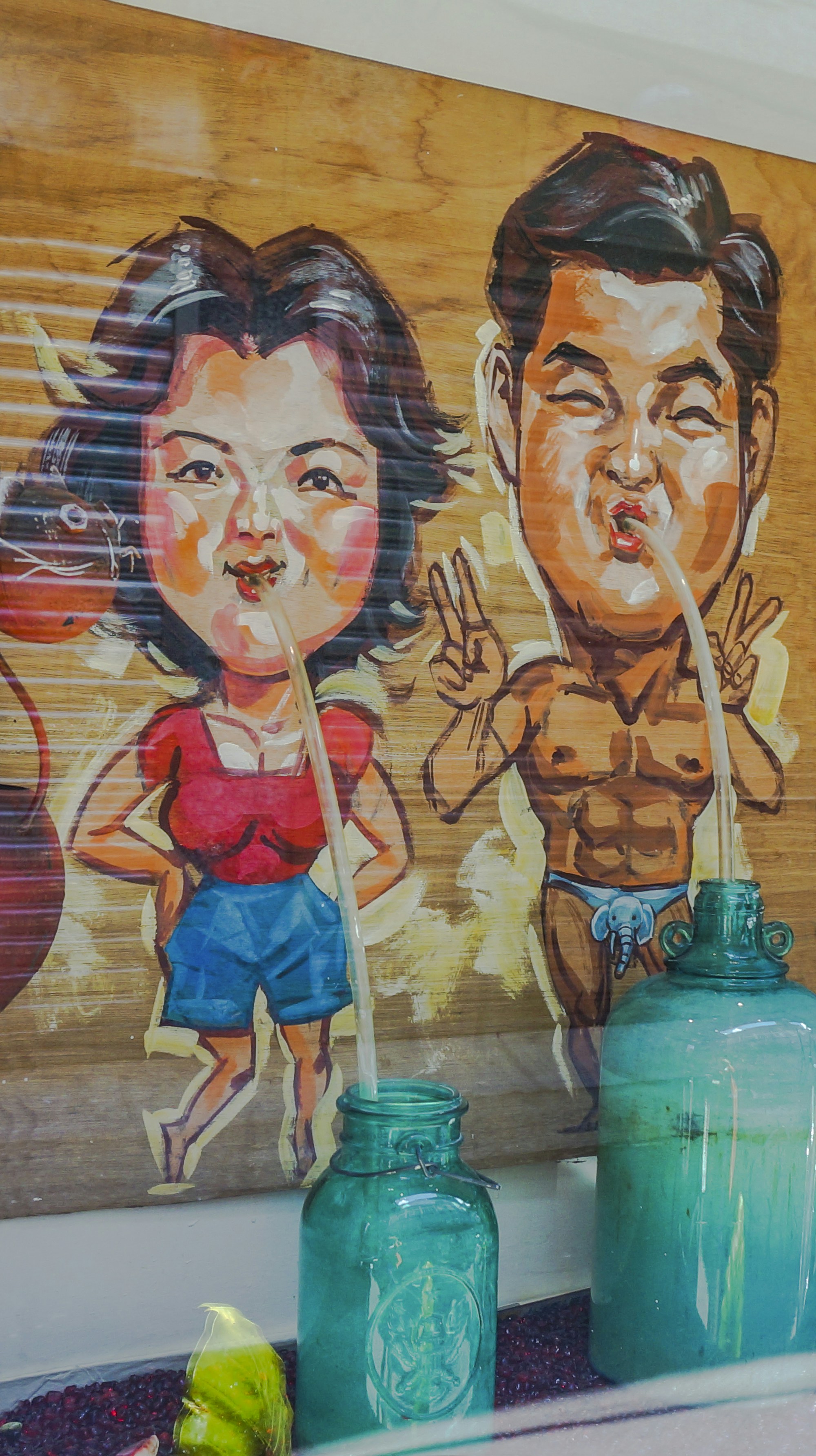
In the small and bustling neighborhood of Willow Creek, two peculiar characters have become local legends: Mr. Tu and Mrs. Tam. Mr. Tu, a spry 70-year-old man, is instantly recognizable by his shiny bald head, which shines even brighter under the afternoon sun. His personality is as flamboyant as his singing style, often bordering on egotistical. With a confident air and grandiose dreams of stardom, Mr. Tu is convinced that his voice has the power to captivate audiences, despite a chorus of naysayers in the neighborhood.
Mrs. Tam, his next-door neighbor, holds the contrasting title of the community’s self-proclaimed critic. Known for her sharp tongue and discerning ear, she provides Mr. Tu with unsolicited feedback on his performances. While Mr. Tu views karaoke as a form of self-expression, Mrs. Tam sees it as a community service project—one where her role is to inform him of the “truth” behind his singing. Her witty remarks and playful banter have made their relationship a source of entertainment for the entire neighborhood.
Their ongoing rivalry is not merely a tale of competing egos; rather, it embodies the essence of their coexistence. In a way, Mr. Tu and Mrs. Tam complete each other, like a tune and its melody, forever intertwined in a comedy of errors. As Mr. Tu prepares for the neighborhood karaoke contest, his bravado is met with Mrs. Tam’s signature critiques, setting the stage for a hilariously chaotic adventure that is about to unfold. Their dynamic relationship adds a unique flavor to the ongoing narrative, exemplifying how humor can be found in the most unexpected places, even within the walls of a seemingly ordinary neighborhood.
Mr. Tu’s Quest for Confidence
Mr. Tu’s journey towards gaining confidence is intricately linked to his perception of hair and its significance in enhancing stage presence. Like many individuals, he believes that hair, especially long and flowing locks, offers an aura of charisma and elevates one’s ability to perform in front of an audience. This stance is rooted in his admiration for successful singers who have dominated the charts with their vocal prowess, often complemented by their luxurious hairstyles. Icons like Bruno Mars and Ariana Grande symbolize not just talent, but also a specific image that Mr. Tu longs to embody.
The connection between hair and self-esteem cannot be overstated for Mr. Tu. Every time he observes these stars with their voluminous hairstyles, he envisions how their confidence spills over during performances, captivating audiences. In his mind, possessing a similar appearance would dramatically transform his karaoke experience—providing him with the bravery to belt out his chosen songs without any trepidation. Mr. Tu often imagines striding onto the karaoke stage with hair flowing like silk, imagining how this transformation would allow him to stand out, not just as a singer but as a performer full of flair.
Moreover, his desire to baffle his neighbor, Mrs. Tam, by performing exceptionally well in karaoke contests is another motivating factor. While competing, Mr. Tu believes that turning heads with an impressive hairstyle coupled with his vocal attempts would serve as a perfect rebuttal to her constant critiques. This internal struggle to enhance not only his appearance but also his performance becomes even more vivid as he plans his next karaoke outing. Ultimately, Mr. Tu’s quest is not merely about singing; it is deeply intertwined with his heartfelt aspirations for self-expression, boosted by the hair he wishes he had.
The High-End Invisible Wig
Mr. Tu, ever the optimist, stood in front of the mirror, eyes gleaming with excitement as his hands skimmed over the sleek packaging of his latest investment—a high-end invisible wig. To Mr. Tu, this was not merely an accessory; it was a portal to a new realm of respect and recognition in the world of karaoke. Convincing himself that the wig would elevate his performances to unprecedented heights, he envisioned it as the ticket to being taken seriously as a performer. As he placed the wig atop his head, a flurry of thoughts danced through his mind, each more humorous than the last, showcasing his unique blend of absurdity and ambition.
“With this wig, I will be the karaoke king,” he mused, imagining himself bathed in the spotlight, confidently belting the latest hits. “No more crooked toupees or embarrassing hairpieces! This invisible marvel will make me appear effortlessly polished.” The thought lingered, forcing a chuckle from his lips as he envisaged himself strutting across the stage, hair flowing like that of an A-list celebrity.
In Mr. Tu’s imaginative world, the invisible wig held transformative power. He pictured it imbued with mystical qualities, capable of enhancing his charisma and charm. “It’s like an invisibility cloak,” he laughed to himself, “but for hair! Surely, this will captivate the audience and transport them to a realm of euphoria!” Each fanciful scenario morphed into another comical vision, with him believing that the wig would not only improve his aesthetics but also boost his vocal prowess.
Thus, with each passing moment, Mr. Tu nurtured an unwavering belief that this seemingly trivial investment would lead him to the glorious heights of performance success. Little did he know, the reality would end up far more entertaining than he had ever anticipated.
The Accidental Mishap with Glue
As Mr. Tu prepared for the karaoke contest, he was confident that his performance would be a highlight of the evening. He devoted hours practicing his favorite songs, donning a flamboyant wig to enhance his stage persona. While Mr. Tu practiced enthusiastically in the living room, his wife, Mrs. Ba, attempted to tidy up the clutter around them. Among the scattered items was a tube of super glue, which, unbeknownst to her, would soon play a pivotal role in this hilariously unfortunate saga.
Mrs. Ba, distracted by the sounds of her husband’s exuberant singing, accidentally knocked the tube of super glue off the table. The tiny tube hit the ground, the cap popped off, and within seconds, a streak of the adhesive landed squarely on Mr. Tu’s vibrant wig. Oblivious to the mishap, Mr. Tu continued his vocal serenade, completely unaware of the potential catastrophe unfolding right above him.
It wasn’t until he finished his rendition of a popular ballad that Mr. Tu caught sight of his hairpiece. As he reached up to adjust the wig, he found it stuck fast to his head in a most comical way. In an exaggerated display, he tugged and pulled, only to realize the wig had fused itself to his scalp thanks to Mrs. Ba’s unintentional blunder. In that moment, rather than frustration, a sense of hilarity enveloped the room. Mr. Tu, still in his musical fervor, turned to his wife, declaring with serious conviction, “This wig is my lifeblood for the contest! I cannot go on without it!”
Despite the absurdity of the situation, Mr. Tu’s earnest proclamation only added to the comedy of the whole affair. The couple shared a hearty laugh, a bond strengthened amid the chaos of a karaoke night that had taken an unexpected comedic turn, thanks to a simple yet mischievous super glue incident.
The Night Before the Contest
As the sun dipped below the horizon, the aura of anticipation thickened in Mr. Tu’s neighborhood, the air electric with the impending excitement of the karaoke contest. This was not just any evening; it was the night before a significant event that would either solidify Mr. Tu’s reputation as a formidable karaoke contender or reaffirm Mrs. Tam’s critiques of his singing abilities. Determined to dispel her doubts, Mr. Tu prepared meticulously for the competition, fueled by an unwavering resolve.
His small living room transformed into a makeshift rehearsal space, adorned with colorful posters of musical icons watched over by a dusty microphone that had seen better days. Mr. Tu rehearsed tirelessly, practicing the lyrics of his chosen ballad repeatedly, each note resonating with passion and fervor. The stakes felt monumental as he recalled Mrs. Tam’s past barbs, which had stung more than he cared to admit. Knowing that her keen eye would be upon him during the contest, he felt the pressure mount, intensifying his determination to rise above her skepticism.
Every sound from the mic echoed in his mind as he envisioned the scene on contest day. They would gather at the local community center, and he could almost hear the chatter and laughter of excited participants and spectators. The knowledge that he was about to confront the very source of his modest choir performances added a layer of intensity to his preparations. Mr. Tu crafted a mental checklist, ensuring he had everything ready—not just the perfect song to perform but also the resolve to handle criticism gracefully should it come his way.
As night fell, Mr. Tu’s heart raced with anticipation, the distinct sounds of his favorite tracks reverberating through the neighborhood. This karaoke contest would not only be a platform to showcase his talents but also an opportunity to challenge the negative perceptions that had clouded his past performances. Tomorrow was the day he would seize the moment, ready to embrace the unexpected twists that awaited him.
Mr. Tu Takes the Stage
As the crowd buzzed with excitement, the spotlight shone brightly, casting a dramatic glow on the stage. Suddenly, the unmistakable figure of Mr. Tu emerged, wearing an extravagant wig that cascaded over his shoulders in vibrant color. The crowd erupted into applause, their cheers echoing throughout the venue, as he confidently made his way to the center of the stage. Channeling the essence of a rock star, Mr. Tu faced the audience with an exuberance that was contagious, ready to deliver a performance that would be remembered.
Dressed in a leather jacket that seemed to shimmer under the lights, Mr. Tu had embraced his persona wholeheartedly. His enthusiasm was palpable as he struck bold poses, clutching the microphone as if it were a coveted award. With each playful glance and wide smile, he worked to engage those watching, his eyes glinting with mischief. Yet, the wig, with its flamboyant style, prompted some concerned whispers amongst the audience about its stability. Nevertheless, Mr. Tu dismissively waved his hand, reassuring everyone that his look was as secure as his captivating performance would be.
With the opening chords of the karaoke track resonating through the speakers, Mr. Tu launched into his song selection with an unapologetic fervor. He swayed, danced, and gestured passionately, skillfully incorporating the wig into his routine. The audience found themselves drawn into his dynamic performance, cheering and laughing as Mr. Tu embodied the very spirit of a rock concert. Each note he sang, combined with his vivacious choreography, served to elevate the atmosphere, making it evident that this karaoke contest was not just another event—it was Mr. Tu’s moment to shine. His charisma, coupled with his dramatic attire, ensured that the audience was thoroughly entertained, eagerly anticipating what shenanigans awaited them next.
The Hilarious Climax: A Wig and a Tablecloth
The air was filled with laughter and anticipation as Mr. Tu prevailed in his performance during the karaoke contest. Dressed flamboyantly in a vibrant wig that sparkled under the venue’s lights, he exuded an exuberance that reverberated throughout the crowd. His well-practiced routine seemed flawless until, in a moment of sheer excitement, he kicked up his energy level to unprecedented heights. As he twirled and danced, unbeknownst to him, he was dangerously close to the judges’ table. With the music pumping, he launched into an energetic spin, inadvertently grabbing hold of the edge of the tablecloth. Little did he realize that this particular tablecloth had been carefully affixed to the judges’ table with super glue to prevent any unwanted disturbances.
In an instant, the room fell silent, only to be replaced by the thunderous crash of cups, papers, and various items populating the table spilling onto the floor. The judges, caught off guard, exchanged bewildered looks as they grappled with their suddenly disheveled setup. The juxtaposition of Mr. Tu’s cheerful singing against the backdrop of chaos created a spectacle that was impossible to ignore. Gasps quickly transformed into uproarious laughter, with the audience erupting into fits of giggles and guffaws.
Among the crowd, Mrs. Tam’s reaction was particularly memorable. Known for her dignified demeanor, her laughter erupted in a melodious cackle that echoed above the rest. She pointed towards the stage, her eyes wide with disbelief and enjoyment. As the audience fed off the energy of the scene, the atmosphere swelled with joy and shared amusement, marking the moment as a highlight of the evening. Such unexpected antics not only showcased Mr. Tu’s colorful personality but also left an indelible impression on everyone present, solidifying this karaoke contest as one for the ages.
Mrs. Tam’s Detachable Dentures
The aftermath of the karaoke contest took a hilariously unexpected turn, particularly due to an unforgettable moment involving Mrs. Tam and her detachable dentures. After Mr. Tu’s rendition of a classic love ballad, which saw the audience in fits of laughter, the atmosphere was charged with energy. Little did anyone know that this humorous crescendo would lead to an even more comical situation.
As the laughter and applause echoed around the room, Mrs. Tam, known for her infectious sense of humor, found herself overwhelmed with amusement. In a fit of giggles, she attempted to stifle her laughter, resulting in an unfortunate but side-splitting incident. With every chuckle, her dentures, which had been precariously positioned, made a sudden exit from her mouth, soaring through the air like an unexpected projectile. The audience erupted into further laughter as they witnessed the surreal moment unfold.
The dentures landed with an unmistakable thud on the table nearby, bringing an even more ludicrous twist to the already comedic performance. The sight of the plastic dental relics perched on the edge of the table, contrasting dramatically with the vibrant karaoke backdrop, was enough to send everyone into another wave of helpless laughter. Mr. Tu, fully aware of the chaos his performance had incited, couldn’t help but join in the boisterous reaction, muttering something about adding “dentist” to his list of future roles.
This riotous incident not only amplified the comedic nature of the show but also highlighted the absurdity of the evening. It was one of those memorable evenings, where laughter prevailed and brought people together in joy. Mrs. Tam’s detachable dentures became an unexpected emblem of the night, a story to be retold and celebrated in the community for years to come.
The Unexpected Resolution
In the aftermath of the karaoke contest, a surprising turn of events unfolded that would shift the dynamics between Mr. Tu and Mrs. Tam. Despite the chaos and unintentional hilarity of the evening, a spirit of camaraderie emerged among the participants and audience alike. To everyone’s astonishment, Mr. Tu was awarded the title of ‘Most Creative Performance’ for his enthusiastic yet unconventional rendition of classic songs. This award not only recognized his unique approach to karaoke but also highlighted the joy he inadvertently brought to the entire event.
The award ceremony, filled with laughter and playful banter, turned out to be a catalyst for an unlikely bonding experience between the two feuding neighbors. As Mr. Tu clutched his trophy, he cringed at the memory of his earlier performance but could not help but laugh along with the crowd. Mrs. Tam, witnessing the transformation of their competition into a light-hearted celebration, approached him with an outstretched hand and a smile. This gesture marked the beginning of a new chapter in their relationship, one framed by mutual respect and humor.
As the night progressed, they found themselves sharing stories about their lives and loves, their laughter echoing in the air. The initial awkwardness dissolved, and it became clear that their previous animosities had been overshadowed by a newfound understanding. The karaoke contest served as a reminder of how unpredictable life can be, often leading to unexpected and heartwarming resolutions. In what seemed like a comedic debacle, Mr. Tu and Mrs. Tam recognized that they made a great pair, each complementing the other’s quirks in a way that created a vibrant dynamic.
Conclusion: The Perfect Couple of the Neighborhood
The story of Mr. Tu and the karaoke contest embodies a charming tapestry of community life, demonstrating how unexpected events can forge bonds among neighbors. Initially, Mr. Tu was perceived as an eccentric character, known for his peculiar yet endearing habits. His passion for karaoke, however, struck a chord beyond mere entertainment; it served as a conduit for connection. This saga became the catalyst for change in the dynamic between two neighbors, who spent years engaged in light-hearted bickering and occasional disagreements.
The contest, which began as a straightforward community event, transformed into a memorable experience that showcased the quirks of both Mr. Tu and those around him. As the karaoke night unfolded, more than just off-key notes filled the air; laughter, warmth, and camaraderie emerged, softening the previously tense relations between the neighbors. Through shared laughter and a mutual love for music, barriers dissolved, allowing a sense of community to flourish. This incident underscores that humor can bridge even the widest of divides and bring together individuals who might otherwise remain distant.
Ultimately, Mr. Tu’s karaoke journey serves to remind us that the quirks of aging and the idiosyncrasies of our neighbors can be a source of joy and unity. The spirit of karaoke transcends the mere act of singing; it is about the stories shared, the laughter created, and the bonds formed in the most unexpected of circumstances. As our neighborhood embraces its diverse personalities, we find that together, we create an enriched community tapestry, woven together through shared experiences, laughter, and of course, the occasional off-key serenade. The perfect couple of the neighborhood has emerged, united not just in their love for karaoke, but in their newfound friendship that reflects the beautiful harmony of community life.