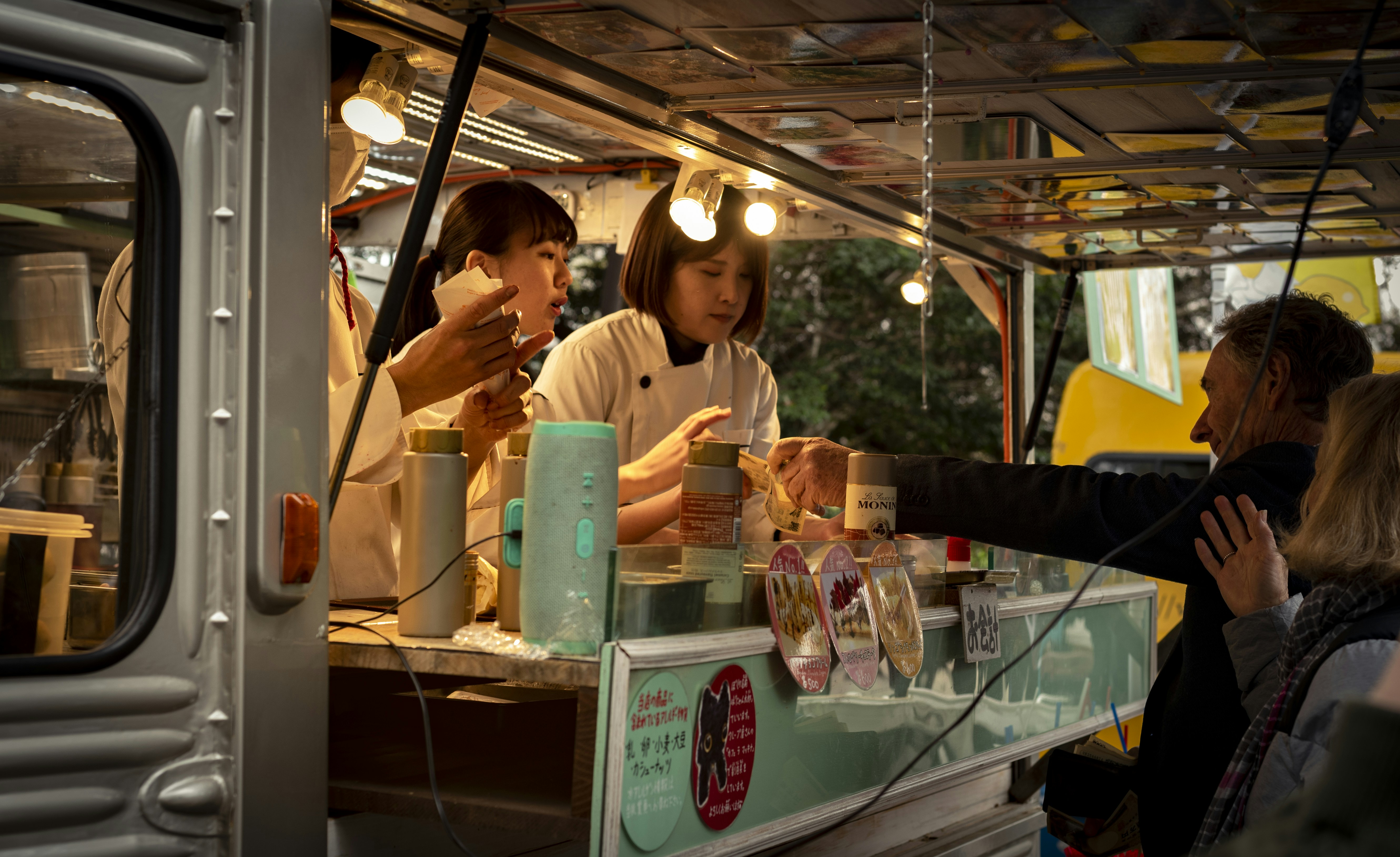
Introduction to Sterling’s Journey
Sterling’s life trajectory took an unexpected turn when he transitioned from a successful career as a pharmaceutical scientist to the realm of culinary arts, leading to the conception of his unique food truck, ‘The Clean Plate.’ This shift stemmed from a profound existential crisis that left him questioning the safety and quality of the food available to the public. Having dedicated years to ensuring the efficacy of pharmaceuticals, Sterling recognized a parallel between the rigorous standards of the pharmaceutical industry and the hygiene practices often overlooked in the food industry.
His obsession with hygiene became a driving force behind his desire to create a food environment that not only satisfied the palate but also prioritized health and cleanliness. Sterling envisioned ‘The Clean Plate’ as the ultimate safe food experience, where every ingredient and preparation process would adhere to stringent safety standards. This vision was born out of his deep-seated belief that consumers deserve not just delicious meals but also peace of mind when it comes to food safety.
As Sterling embarked on this culinary journey, he meticulously researched best practices in both food safety and sanitation, applying the scientific rigor he had honed during his years in pharmaceuticals. His objective was to shatter the stereotype of food trucks as unsanitary establishments and to redefine what street food could represent. With every dish he crafted, Sterling made it his mission to emphasize the importance of hygiene, sourcing ingredients from trusted suppliers, and implementing transparent practices.
Through ‘The Clean Plate,’ Sterling not only found a new purpose but also aimed to educate patrons about the significance of clean eating. He believed that food should nourish the body without compromising on safety, creating a culinary experience that guests could trust. In the subsequent sections, we will explore how Sterling overcame the challenges of starting his food truck and how his commitment to hygiene shaped the ethos of his culinary venture.
Setting the Scene: The Urban Food Truck Festival
The Urban Food Truck Festival is a kaleidoscopic showcase of culinary innovation, creativity, and cultural diversity. As attendees filter into the eclectic venue, they are greeted by the tantalizing aromas of spices and sauces wafting through the air. Each food truck, uniquely designed and brightly colored, contributes to the visual feast on display while simultaneously representing the rich tapestry of global flavors available to festival-goers. From gourmet tacos and artisanal doughnuts to vegan Mediterranean dishes, the festival is a veritable smorgasbord of tastes catering to every palate.
The atmosphere is electrifying, as food enthusiasts gather around their favorite trucks, eagerly awaiting their turn to sample the creations of local chefs. There is a palpable sense of excitement as competition looms. Participants within this vibrant food culture not only aim to impress festival attendees but also vie for the coveted “Best Food Truck” award. The stakes are high, and the passion among the vendors is unmistakable. Chefs passionately engage with their customers, sharing stories about their culinary inspirations while showcasing their skills in a race against time.
With each passing minute, the noise levels rise, as laughter, chatter, and the sizzling of hot grills create a symphony of sound that embodies the festival’s spirit. Lines form, and anticipation builds, drawing festival-goers into the heart of the culinary chaos. The competitive nature of the event is palpable, breeding an atmosphere of camaraderie amongst the food truck operators that contrasts sharply with the simmering tensions beneath the surface. As Sterling prepares to navigate this bustling environment, the heat and frenzy that characterize the festival provide a fitting backdrop for the challenges that lie ahead.
Sterling’s Sanitation Strategies
In the dynamic world of food service, maintaining optimal hygiene protocols is paramount. Sterling’s establishment implements rigorous sanitation strategies designed to ensure the highest standards of cleanliness before customers receive their meals. Central to these protocols is a meticulous three-stage hygiene hierarchy that customers must navigate, reinforcing Sterling’s commitment to food safety.
The first stage of the sanitation process requires customers to engage in a thorough handwashing routine. This involves the use of antibacterial soap, ensuring their hands are clean before handling any utensils or food items. This initial step typically takes about two minutes per customer but acts as a crucial barrier against the transmission of germs and bacteria, thereby protecting both patrons and staff. Sterling understands that while this may impact service speed, the long-term benefits of augmented health and safety outweigh the waiting time.
Progressing to the second stage, customers are required to don hairnets and sanitize their clothing. The implementation of this measure provides an additional layer of protection, minimizing the risk of contamination from hair or clothing fibers. This phase generally takes about three minutes, which, although an investment in time, underscores the priority placed on food safety by Sterling’s operations. Observing customers outfitting themselves in the appropriate protective wear can foster a sense of community responsibility and encourage compliance with health regulations.
The third and final stage encompasses a thorough sanitization of hands with an alcohol-based solution before they can approach the food serving area. This last critical step reiterates the establishment’s unswerving dedication to hygiene and can take an additional minute. Despite the extended sanitation measures, many patrons express satisfaction, valuing the comprehensive approach to cleanliness. Therefore, while Sterling’s meticulous protocols may elongate wait times, they enhance overall customer trust and satisfaction, fostering a safer dining environment.
The Hygiene Hierarchy: Customer Experience in Detail
At ‘The Clean Plate,’ the pursuit of unparalleled cleanliness is not merely a protocol but a grand performance. Customers embarking on the culinary journey encounter the hygiene hierarchy, a theatrical experience that envelops them at every turn. The stage is set with an array of peculiar yet amusing practices aimed at ensuring a pristine dining experience.
The first interaction often occurs at the entrance, where an air-lock spray mechanism awaits. As patrons step through the doorway, a whimsical cloud of sanitizer engulfs them, reminiscent of a low-budget sci-fi movie. This intentional extravagance serves not only as a cleaning measure but also as an icebreaker, disarming guests with laughter while they momentarily resemble a scene from a futuristic film.
As customers progress, they are greeted by the high-tech UV light inspection chamber. Here, an absurd but technically sophisticated machine scans diners for invisible contaminants, creating a surreal spectacle reminiscent of a comedy sketch. Patrons step into this glowing pod, striking equal parts fear and amusement, as the machine whirs and beeps, transforming social interaction into a mini science fiction experience. The results, reported with great ceremony, often lead to exaggerated reactions—some gleeful, others mockingly dramatic—adding an element of humor to this otherwise meticulous process.
Following this, the food ordering phase embodies a bizarre yet entertaining dialogue between staff armed with hygiene qualifications and customers burdened with over-exaggerated dietary restrictions. Each menu item is elaborately cataloged with annotations about the hygiene precautions undertaken, including rigorous hand-washing, glove usage, and ingredient sourcing. These conversations regularly escalate into comedic exaggerations, where a simple bowl of soup transforms into an epic tale of sanitized ingredients and the diligent detours taken to prevent contamination.
With each passing stage, the absurdity of the hygiene hierarchy unfolds, illustrating Sterling’s relentless commitment to cleanliness while delivering an experience that is as engaging as it is entertaining. This unique approach ensures customers not only savor their culinary experience but also share a few laughs along the way.
The Catastrophic Breakdown: A Day of Chaos
The day began like any other in Sterling’s bustling kitchen. Orders streamed in as chefs navigated their culinary tasks, excitement filling the air. However, the anticipation quickly morphed into chaos when the automated sterilization system—a crucial component of the kitchen’s efficiency—malfunctioned due to an unexpected surge in heat. The device, responsible for maintaining hygiene and safety standards, suddenly halted, its screen flashing alerts that baffled the staff.
As the minutes ticked by, frustration rippled through Sterling. He had always prided himself on the seamless harmony of his kitchen operations, but now, with the sterilization system down, the workload quadrupled. He could scarcely attend to the orders stacking up while also attempting to address the technical failure. A moment that had initially spurred excitement turned into a test of his crisis management skills.
With pots bubbling away, waiting to be served, and customers growing impatient, Sterling found himself juggling numerous responsibilities. He dispatched his team to find manual solutions, instructing them to employ traditional cleaning methods and ensure that essential utensils were sanitized. Each passing second felt like an eternity as he strategized ways to maintain order while mitigating the mounting chaos around him. The kitchen’s atmosphere, once filled with anticipation, transformed into one of urgency and desperation, where every decision had to be made under pressure.
The breakdown of the sterilization system was more than just a minor glitch; it seemed like the entire operation was jeopardized. Underneath the frantic movements of the kitchen staff, one could sense Sterling’s simmering anxiety. He understood that the quality of his establishment depended not only on speed but also on maintaining the highest hygiene standards. This pivotal moment in his day illustrated the fine line between a well-oiled culinary machine and utter chaos, setting the stage for the challenges yet to come.
The Soapocalypse: A Series of Humorous Attempts
Sterling’s attempts to address the malfunctioning sterilization system in his food truck rapidly devolved into a comedic spectacle, aptly dubbed the “Soapocalypse.” With his reputation hanging in the balance, he launched a series of improvisational fixes that only intensified the absurdity. The first sign of trouble arose when a simple detergent refill led to an avalanche of foam. As Sterling fumbled with the dispenser, a rogue squirt sent suds cascading over the counter, engulfing the kitchen like an avalanche of bubbles, much to the delight of onlookers and diners alike.
As the foam frenzy unfolded, Sterling struggled to maintain control. His usual deftness in the kitchen transformed into a slapstick routine, as he slipped and slid over the sudsy surface, trying to salvage his cooking process. The lighthearted chaos attracted crowds, transforming the food truck into a makeshift carnival. Onlookers gasped and laughed, their senses engaged both by the clamor of utensils and the mesmerizing flow of bubbles. Sterling’s frustrated yelps mingled with the waves of laughter echoing through the parking lot, creating a peculiar but entertaining atmosphere.
To make matters worse, shortly after regaining his footing, Sterling inadvertently caused a containment breach. His quick attempt to drain the excess soap back into a bucket resulted in a spritz of foam that sprayed across the customers waiting eagerly for their meals. The bemused expressions of patrons paralleled the slapstick moments unfolding in the food truck. Some tried to dodge the soap spray, while others gleefully captured the moment on their phones, immortalizing Sterling’s culinary chaos for social media fame. The scene exemplified the unconventional charm of food trucks, where mishaps can turn into masterpieces of comedic delight.
In the end, Sterling’s misfires became a humorous highlight amongst the food truck scene, showcasing that even in the most chaotic moments, laughter and community spirit thrive.
The Climactic Confrontation: Rival at the Helm
As the cooking competition reached its zenith, Sterling found himself at a pivotal moment, quite literally engulfed in foam. The air around him buzzed with anticipation, and the contrast between his meticulous nature and his rival’s cavalier demeanor could not have been starker. His rival, a carefree food truck owner known for his unconventional methods, stood confidently across the makeshift arena, a pristine pita perched comically on his forehead. This unconventional accessory added a layer of absurdity to an already chaotic scene, eliciting chuckles from onlookers.
Foam from the soap-filled machines enveloped Sterling, creating a humorous visual that belied the seriousness of the competition. In stark contrast, his rival was unbothered, embodying a relaxed parody of culinary excellence. Where Sterling had spent hours perfecting his plating techniques, carefully analyzing each ingredient and ensuring a coordinated flavor profile, his rival thrived in spontaneity, a “throw it together” philosophy that seemed to resonate with the crowd. Every bubbling conundrum faced by Sterling only served to amplify the tension between them. Despite the comical appearance of the foam cascading around him, the stakes were palpable.
The humor of the situation was simultaneously a means of disarming the tension and fueling it. Sterling’s frustration was evident, with every lost moment becoming a lost opportunity to showcase his culinary skills. As he struggled amidst the froth, the laughter from bystanders mocked his precision, while his rival reveled in the chaos, perhaps too engrossed in his playful antics to recognize how detrimental the situation could become. It was a decisive moment in the competition; could Sterling reclaim his focus and harness his dedication amid this culinary chaos? Time would tell as the absurdity of the scene played out, leaving everyone wondering who would ultimately prevail in this soapy saga.
The Unexpected Twist: Going Viral
In the realm of culinary storytelling, the influence of social media cannot be overstated. Recently, an incident involving a local diner and its unexpectedly chaotic hygiene standards caught the attention of a renowned food blogger known for their vibrant commentary and captivating storytelling. What could have been a mere blip on the culinary radar transformed dramatically when this blogger seized upon the moment, crafting a narrative that both captivated and amused audiences.
The blogger, with a keen eye for the absurdities of modern dining, recorded the incident and shared it across various platforms. Rather than merely reporting on the chaos, they contextualized it in terms of consumer paranoia surrounding food safety. They cleverly juxtaposed the widespread fear of germs with the humorous reality of everyday dining experiences. This transition from a potentially negative anecdote to a viral celebration of human folly allowed the narrative to gain traction, resonating with a broad audience tired of the hyper-vigilance surrounding food hygiene.
As the tale circulated, it sparked a national conversation about the balance between health consciousness and the enjoyment of food. Users engaged fervently, sharing their interpretations and adding layers to the discussion about sanitation obsession and delight in culinary adventures. By framing the incident through a lens of humor, the blogger not only shifted the public perception but also highlighted the absurdity of certain consumer fears.
This unexpected twist illustrates a powerful phenomenon: the capacity for narrative to transform reality. Instead of fostering anxiety, this food blogger’s deft storytelling turned a moment of culinary chaos into a satirical commentary, ultimately leading to a reexamination of our collective approach to dining. It serves as a reminder that amidst the clutter of our sanitary concerns, there exists an opportunity to embrace the lighter side of life, weaving humor into the fabric of culinary culture.
Final Reflections: A New Perspective on Cleanliness
As Sterling emerged from the frothy upheaval of his culinary experiment, he found himself grappling with a mix of frustration and an unexpected acceptance of the chaotic scene he had created. The all-consuming passion for sterility that once defined his approach to cooking had now transformed into a more nuanced understanding of cleanliness in the culinary realm. In seeking perfection, Sterling had inadvertently invited disorder into his kitchen, illustrating that the pursuit of immaculate surfaces and unblemished plates can sometimes lead to unforeseen outcomes.
His immersion in the bubbly turmoil allowed him to realize that the essence of food transcends mere cleanliness. This experience cultivated a newfound appreciation for the narratives woven through shared meals, where imperfections can often make the dining experience more memorable. As the foam settled, the lively lines of eager patrons forming outside his establishment heightened his awareness that the culinary world is not merely about hygiene but also about embracing the vibrancy of food culture itself.
What began as a mission steeped in anti-microbial obsession took an unexpected turn, reshaping Sterling’s perspective on the threshold between cleanliness and creativity. The juxtaposition of chaos and gastronomic artistry revealed how embracing imperfections can lead to richer experiences in food preparation and consumption. With each plate that slipped through his hands, Sterling understood that food is not just about strict hygiene practices but also about the stories and connections forged through the act of sharing a meal.
Ultimately, Sterling’s journey reflects a broader narrative within the culinary landscape, one that encourages chefs and diners alike to reconsider their views on cleanliness. It advocates for a balanced perspective, recognizing that while hygiene remains an important aspect of food preparation, the charm of culinary chaos can spark inspiration and innovation. In embracing the unpredictable, one may uncover deeper meaning and joy within the culinary experience.