Introduction: Understanding the Blue Line
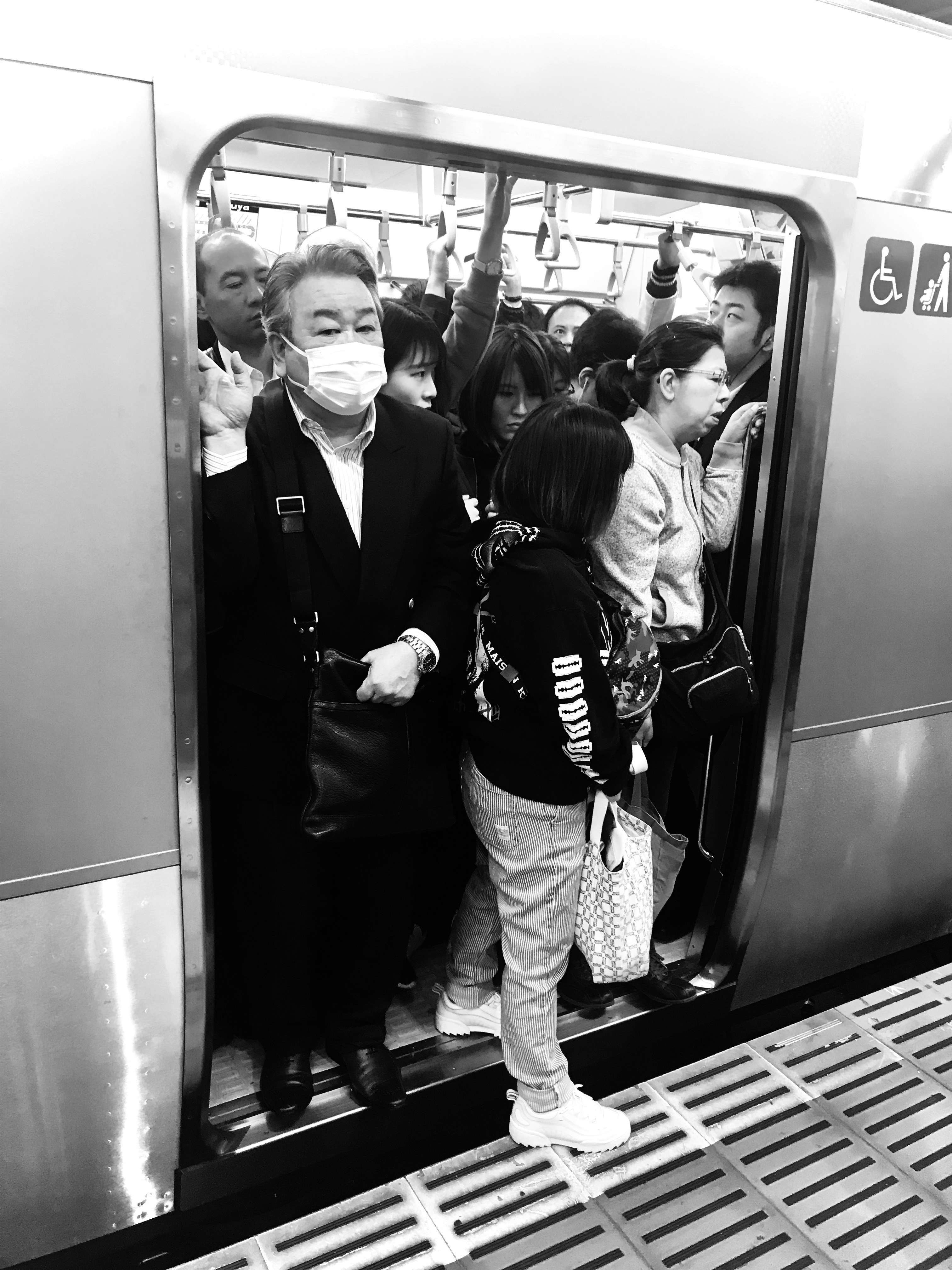
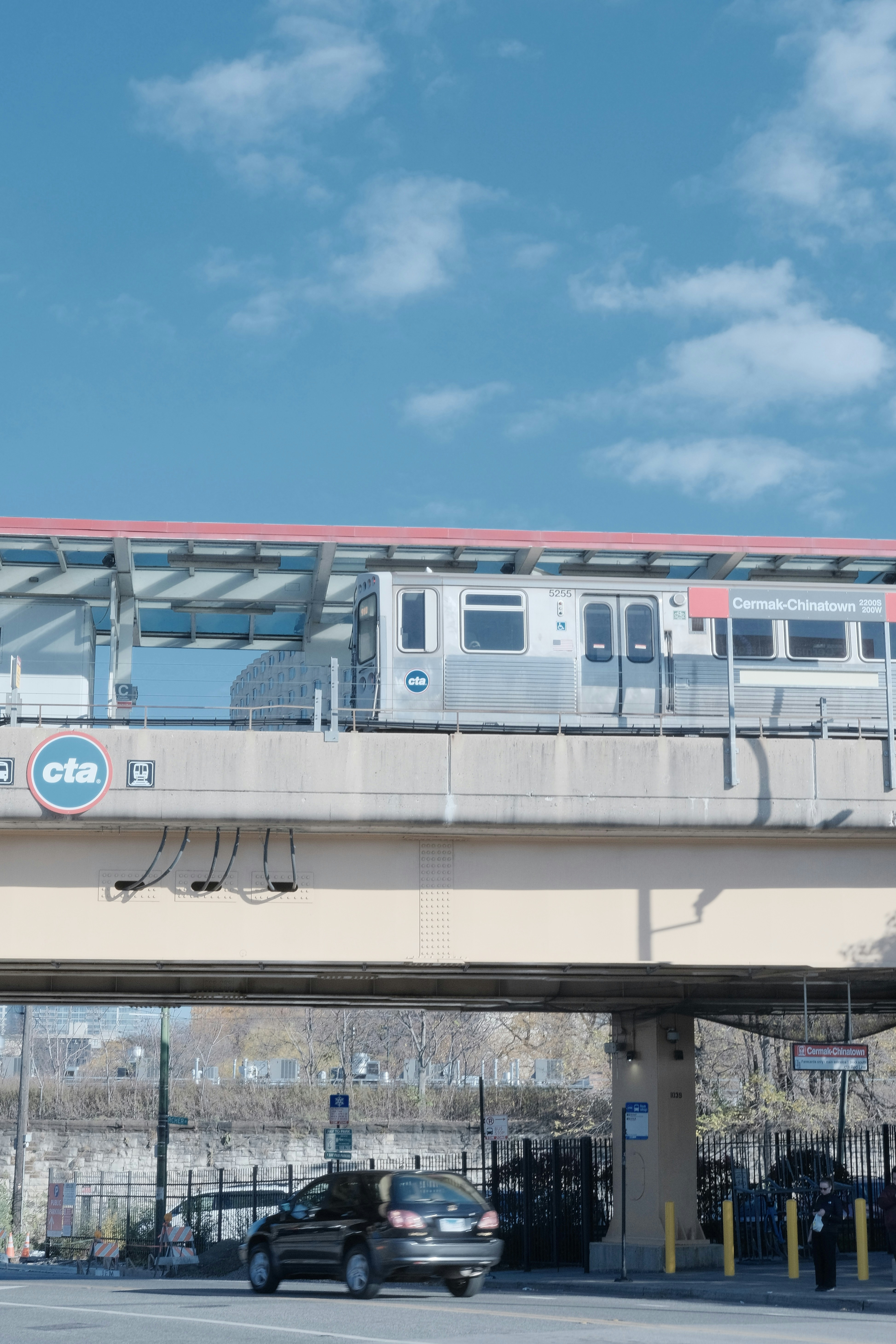
The Blue Line is emblematic of urban transit systems, often serving as a vital artery in metropolitan areas. In cities renowned for their transportation challenges, the Blue Line represents not only a means of travel but also a complex interplay of societal factors that contribute to the commuter experience. Urban transit lines, including the Blue Line, frequently face issues such as overcrowding, delays, and infrastructural strain, which exacerbate the daily struggles of individuals navigating the cityscape.
As people rely on public transportation for their daily commute, the concept of the “invisible backpack” emerges, symbolizing the myriad burdens that commuters carry—both tangible and intangible. This metaphor captures the weight of emotional, social, and physical stressors associated with commuting in busy urban environments. These burdens may include work-related pressures, family responsibilities, and the simple act of managing one’s time efficiently. The invisible backpack concept illustrates how these accumulated stresses can significantly influence a commuter’s experience, making a journey on the Blue Line feel overwhelming at times.
Moreover, understanding the Blue Line necessitates acknowledging the broader context in which it operates. Factors such as socio-economic disparities, urban planning, and the frequency of service have profound effects on how effectively the system can meet the needs of its users. As we delve deeper into the intricacies of the Blue Line and the chaos that can ensue, the invisible backpack serves as a reminder of the often-unseen challenges commuters endure. This exploration not only sheds light on the daily tribulations experienced by riders but also invites a reevaluation of how urban transit systems like the Blue Line can evolve to address these complexities, ultimately enhancing the overall commuter experience.
Defining the Invisible Backpack
The term “invisible backpack” serves as a poignant metaphor that encapsulates the various stresses, mental loads, and emotional burdens individuals carry, particularly in the context of commuting on the Blue Line. Unlike physical baggage, which is readily apparent, this metaphor highlights the unseen yet substantial influence these factors have on commuters’ behavior and overall experiences. Commuters often grapple with a myriad of personal issues, from work-related stress to family responsibilities, which collectively contribute to this invisible load.
Moreover, the social dynamics encountered during transit play a critical role in the construction of one’s invisible backpack. Interactions with fellow passengers can evoke feelings of camaraderie, but they can also lead to discomfort and anxiety, especially in crowded or tense situations. Factors such as societal expectations and peer pressures may exacerbate these feelings, further amplifying the weight of the invisible backpack.
The unpredictability of transit systems adds another layer of complexity to the invisible backpack. Delays, overcrowding, and service disruptions not only irritate commuters but also heighten their stress levels, causing anxiety to accumulate. This unpredictability can be psychologically taxing, leading to negative emotional reactions and influencing how individuals react to their surrounding environment.
In summary, the invisible backpack metaphor encapsulates the multifaceted emotional and psychological burdens individuals carry while commuting. It emphasizes the significance of those unseen elements that can affect a commuter’s day-to-day experiences, especially on the Blue Line. By acknowledging these hidden weights, we gain better insight into the challenges faced by daily travelers in urban transit environments.
The Impact of Stress on Commuting Behavior
Commuting via the Blue Line can be an intricate experience, particularly for those burdened by the invisible weight of stress, often referred to metaphorically as the “invisible backpack.” This concept encapsulates the accumulated pressures individuals carry, which may include work-related responsibilities, personal issues, or broader socio-economic concerns. The psychological effects of this stress manifest in various ways, significantly influencing commuting behavior and overall transit experiences.
Research has shown that increased stress levels are directly correlated with heightened anxiety and frustration among commuters. For example, a study by the Transportation Research Board highlights that individuals facing time constraints or feeling overcrowded are likely to experience elevated stress, leading to aggressive reactions toward fellow passengers and transit staff. The pressures of commuting in such a tense environment can result in impatience, which often exacerbates the chaos within the transit system.
Furthermore, stress may cultivate a sense of disengagement among commuters. Many individuals resort to isolating themselves through the use of personal devices, creating a barrier between themselves and their surroundings. While this might be a coping mechanism, it inadvertently contributes to a collective atmosphere of disconnection and tension. As commuters become more absorbed in their own worlds, the opportunities for social interaction diminish, further heightening feelings of loneliness and anxiety.
Additionally, the influence of stress on aggression cannot be overlooked. Studies indicate that the more burdened a commuter feels, the more likely they are to express irritation, which may lead to confrontational behavior. This cycle of stress, impatience, and aggression illustrates the profound impact that psychological pressures have on commuting behavior. The journey on the Blue Line, therefore, extends beyond mere transportation, reflecting a complex interplay between individual emotions and the collective experience of the transit system.
Case Studies: Real-Life Experiences on the Blue Line
The Blue Line serves as a vital artery for many commuters, yet the experiences of those who traverse it daily are varied and complex. One commuter, Jane, recounts her morning rides: “Every day feels different – some days, the air is thick with tension, while others, it feels almost communal. What surprises me most is how people behave differently depending on the time of day.” Jane’s experience illustrates how the atmosphere can shift dramatically, affected by the invisible backpacks carried by her fellow travelers, which often contain a mix of frustrations, anxieties, and unexpressed emotions.
In stark contrast, Michael, a longtime rider, detailed a more reflective experience. He described how the invisible backpack metaphor resonates deeply with him: “I often find myself empathizing with the people around me. We are all carrying something invisible – whether it’s stress from work or personal issues. It creates this unspoken bond among us. Many times, I’ve started conversations that led to unexpected connections.” Michael’s perspective emphasizes the potential for camaraderie amid the chaos, as riders may inadvertently forge friendships in the confined space of the Blue Line.
These real-life experiences reflect a microcosm of urban life on the Blue Line, where individuals maneuver through their personal challenges while navigating a shared journey. The invisible backpack, in all its complexities, not only shapes individual perceptions but also alters the fabric of community within this essential transit system.
The Role of Transit Authorities in Alleviating Chaos
The responsibilities of transit authorities in curbing the chaos experienced on the Blue Line are both extensive and critical. These agencies must engage in proactive measures to improve the overall commuter experience while addressing the complex challenges posed by the so-called “invisible backpack.” This term refers to the emotional and mental burdens that some passengers carry, which can manifest in various disruptive behaviors during travel. As such, transit authorities need to implement effective strategies to mitigate these issues.
One of the primary initiatives currently employed by transit authorities involves regular service updates. By ensuring timely communication regarding delays, scheduled maintenance, and operational disturbances, transit agencies can manage commuter expectations and reduce frustration levels. Moreover, these updates can provide valuable insights into how best to navigate the system during peak hours, proactively alleviating chaos.
In addition to service improvements, transit authorities have also recognized the importance of mental health resources in supporting their commuter base. Collaborations with local mental health organizations have led to outreach programs aimed at addressing mental health issues that may contribute to chaotic situations on the Blue Line. These programs include workshops, information campaigns, and support hotlines designed to assist individuals who may need help in managing their emotional burdens.
Public campaigns that raise awareness about the invisible backpack are another crucial component of the authorities’ efforts. By educating the public on the complexities of mental health, transit authorities can foster a more empathetic environment, encouraging passengers to be understanding of each other’s challenges. Recommendations for further actions include expanding partnerships with mental health organizations to provide on-site assistance and utilizing data-driven approaches to identify and assist high-stress areas within the transit network more effectively.
Community Responses and Support Networks
The tumultuous nature of commuting on the Blue Line has prompted various community responses, which serve to alleviate the stress faced by riders on a daily basis. As the chaos continues to grow, many individuals have come together to form grassroots organizations aimed at enhancing the commuting experience. These groups foster a sense of unity among commuters, allowing them to share their experiences and strategies for coping with the inevitable disruptions.
One notable approach taken by these communities is the establishment of support networks designed for effective communication among commuters. These networks utilize social media platforms and messaging apps to provide real-time updates about delays, schedule changes, and other key information relevant to riders. This concerted effort not only helps in disseminating crucial information but also cultivates a sense of camaraderie among passengers, who often find themselves navigating similar challenges.
Furthermore, community organizations often host meetings and events that encourage dialogue about the issues affecting the Blue Line. These gatherings provide a platform for commuters to voice their concerns, share solutions, and collaborate on initiatives to improve the transit environment. For instance, some groups have initiated campaigns to advocate for enhanced services and better infrastructure. Their efforts not only aim to pressure transit authorities but also foster a collective identity among riders.
Moreover, support networks have introduced informal meetups, offering commuters a chance to connect personally with one another. This social aspect helps mitigate feelings of isolation and disconnection that can arise during stressful commuting experiences. By creating these supportive relationships, communities are not just tackling logistical issues but also addressing the emotional toll associated with commuting chaos. Through mutual aid and understanding, residents can better navigate the complexities of the Blue Line, ensuring that they are not alone in their struggles.
Innovative Solutions to Mitigate Commuter Stress
The challenges faced by commuters, often exacerbated by the metaphorical “invisible backpack,” are prompting cities and transit authorities to explore innovative solutions aimed at alleviating stress during travel. One key area of focus is the implementation of stress-relief initiatives designed to create a more calming environment within transit systems. For example, some cities have introduced designated quiet zones on public transportation, where noise levels are kept to a minimum, allowing passengers to find solace during their commutes.
In addition to spatial innovations, technology plays a crucial role in addressing commuter stress. A range of mobile applications has emerged, focusing on mental well-being. These apps provide users with tools to track their mood, access guided meditation sessions, or receive instant stress-relief techniques during their travels. By integrating these digital solutions into the daily commute, cities can empower individuals to manage their mental health proactively, effectively reducing the burdens associated with the invisible backpack.
Moreover, enhancements to the transit experience itself can significantly contribute to a less chaotic atmosphere. Some forward-thinking cities have begun to implement real-time journey planners that provide commuters with updated information on train schedules, crowd levels, and potential delays. Such tools not only enable better planning but also decrease anxiety related to uncertainty during commutes. For example, systems that utilize predictive analytics can inform passengers about peak travel times, guiding them to adjust their travel habits accordingly.
Looking beyond local geography, it’s beneficial to study best practices from other urban environments that have successfully reduced commuter stress. Cities like Copenhagen have adopted integrated transport systems and facilities that prioritize cycling and pedestrian pathways, offering commuters alternative routes that enhance convenience and comfort. By examining these practices, other cities can tailor their approaches to mitigate the invisible backpack’s impact and improve overall commuter well-being.
Personal Strategies for Navigating the Chaos
As commuters traverse the often tumultuous experience on the Blue Line, devising personal strategies to manage the metaphorical “invisible backpack” becomes essential. This invisible backpack represents the emotional and psychological burdens we carry. Implementing effective techniques can significantly enhance the commuting experience.
Mindfulness techniques play a crucial role in creating a sense of calm amidst chaos. Practicing mindfulness involves focusing on the present moment, which can help reduce anxiety associated with environmental stressors. Simple exercises, such as deep breathing or observing surrounding sights and sounds, can ground commuters and allow them to navigate their journeys with greater clarity. By incorporating mindfulness into their daily routine, individuals can lessen the weight of their invisible backpack.
Time management skills also contribute significantly to a more enjoyable commute. By effectively planning travel schedules, commuters can avoid the stress of unexpected delays. Utilizing apps that provide real-time updates on transit schedules can help individuals leave home with sufficient time, allowing for a more relaxed journey. Allocating buffer time for unforeseen circumstances enables passengers to feel more in control and less rushed, effectively curbing anxiety levels.
Engaging socially during commutes can transform the perception of traveling on the Blue Line. Initiating conversations with fellow commuters or connecting with friends can replace feelings of isolation with a sense of community. Additionally, finding ways to contribute positively to the environment, such as offering assistance or sharing a smile, fosters a welcoming atmosphere for all passengers.
Creating a positive commuting routine is fundamental in mitigating stress. This could involve selecting uplifting podcasts, reading enjoyable books, or engaging in stimulating discussions through social media groups focused on the commuting experience. Overall, these personal strategies not only help in managing the burdens of the invisible backpack but also enhance the overall quality of life for those who regularly navigate the chaos of the Blue Line.
Conclusion: Embracing the Journey
As we reflect on the intricate dynamics of the Blue Line, a recurring theme surfaces: the invisible burdens we all carry, symbolized by the metaphorical backpacks. These invisible backpacks encompass not just the personal challenges faced by individual commuters but also the broader societal issues influencing public transport experiences. Throughout this discussion, we have highlighted how these unseen challenges lead to frustrations and unanticipated chaos within the transit system.
Encouragingly, the path to addressing these complexities does not rest solely on the shoulders of transit authorities. It calls for collective action involving communities, service providers, and the commuters themselves. By fostering open dialogue about the obstacles we encounter daily, we can cultivate empathy and understanding among all parties involved. Acknowledging our invisible backpacks can potentially transform the Blue Line into a more accommodating and harmonious environment for everyone.
Transit authorities must remain vigilant and proactive in implementing solutions that consider the varied backgrounds and challenges faced by commuters. Enhancements such as better resource allocation, improved communication about services, and infrastructural upgrades can significantly mitigate daily stressors. However, it is equally crucial for communities to nurture a culture of acceptance and kindness, creating a shared sense of responsibility for one another’s experiences.
Ultimately, embracing the journey on the Blue Line entails recognizing the collective struggles and triumphs of its passengers. Through compassion, commitment, and collaboration, we can endeavor to transform the chaos of the present into a more supportive and efficient transit network. Together, by acknowledging our invisible backpacks and working hand in hand, we can envision a brighter future for transit that harnesses the potential of every individual it serves.