


































The Smart Home Hostage Crisis: A Comedic Tale of Miscommunication and Mayhem
Introduction to Mortimer
ZoomMeet Mortimer, a wealthy recluse in his 50s, whose life revolves around his prized possession: a rare collection of vintage comic books. These treasures, some of which date back to the golden age of comics, hold not just monetary value but sentimental significance for Mortimer. His passion for these collectibles has spiraled into an excessive paranoia, leading him to view potential threats with an unyielding intensity. This fear has transformed his once luxurious mansion into a self-imposed fortress of solitude, surrounded by an invisible wall of anxieties.
Mortimer’s lifestyle is characterized by isolation and vigilance, a combination that has fortified his home with advanced technological measures. At the heart of this security system is an AI-managed entity known as ‘The Sentinel,’ designed to monitor every nook and cranny of his estate. The Sentinel is not just a tool; it embodies Mortimer’s deepest fears. Equipped with cameras, motion detectors, and state-of-the-art alarm systems, it creates an environment where Mortimer feels ostensibly safe from potential intruders. While most people revel in the comforts and conveniences of modern technology, Mortimer has transformed them into the building blocks of his paranoia.
As Mortimer navigates this labyrinth of fear and uncertainty, each day is a blend of routine and neurosis. He engages with The Sentinel in a symbiotic relationship, believing that it stands as the ultimate guardian of his comic book kingdom. Its ever-watchful presence provides him with a false sense of control amidst the chaos of his mind. Yet, as we soon discover, this overreliance on technology, meant to provide security, might just lead to the most comedic of miscommunications and mayhem in Mortimer’s life.
The Setup: Penelope’s Visit
As the sun dipped below the horizon, casting a warm golden hue throughout Mortimer’s home, an air of anticipation loomed. Mortimer, usually a hermit by choice, had circled the date of Penelope’s visit on his calendar, marking it with an exaggerated heart. This was to be his only social interaction for the month, a noteworthy event that filled him with both excitement and trepidation. Penelope, with her delightful yet notoriously clumsy demeanor, was a whirlwind of energy and optimism that Mortimer found both refreshing and unnerving.
Her endearing personality made her presence significant, even for someone as routine-bound as Mortimer. Penelope had a unique ability to turn the mundane into the memorable; her laughter reverberated throughout a space, often accompanied by a series of harmless mishaps that Mortimer begrudgingly found charming. The mere thought of her tripping over his carefully curated collection of antique figurines sent a shiver down his spine, but it was this unpredictability that also made him long for their time together. Mortimer appreciated her spontaneity, even if it meant potential disruption of his meticulously organized life.
On the eve of her arrival, Mortimer transformed his home into a display of organized chaos, accommodating both his structured routines and the impending whirlwind that Penelope represented. The kitchen was stocked with a plethora of snacks—ranging from exotic cheeses to artisanal crackers—not entirely because he was an excellent host, but more to ensure there would be enough sustenance to possibly soothe any mishaps during her visit. As he cleaned and prepped, he felt the familiar tug of anxiety, wondering how he would handle the inevitable chaos that Penelope would bring. Nonetheless, he resolved to make this day memorable, treating it as a moment to cherish rather than fear.
Welcome to the Smart Home
In today’s fast-paced and technology-driven world, smart homes have emerged as a symbol of convenience and advanced living. Mortimer’s abode is no exception, boasting an array of extraordinary features designed to elevate everyday experiences. This particular smart home is not only equipped with the latest digital conveniences but is also uniquely designed—windowless. This architectural choice, while unconventional, serves to reinforce security and privacy, reinforcing Mortimer’s desire for a haven that is impenetrable and tranquil.
At the core of Mortimer’s home automation system lies an elaborate network of advanced protective measures. Motion sensors are meticulously placed throughout the premises, allowing for real-time monitoring and immediate alerts should any unusual activity be detected. These sensors, coupled with pressure plates embedded within the floors, ensure that no movement goes unnoticed, creating a veritable fortress that feels impregnable yet modern.
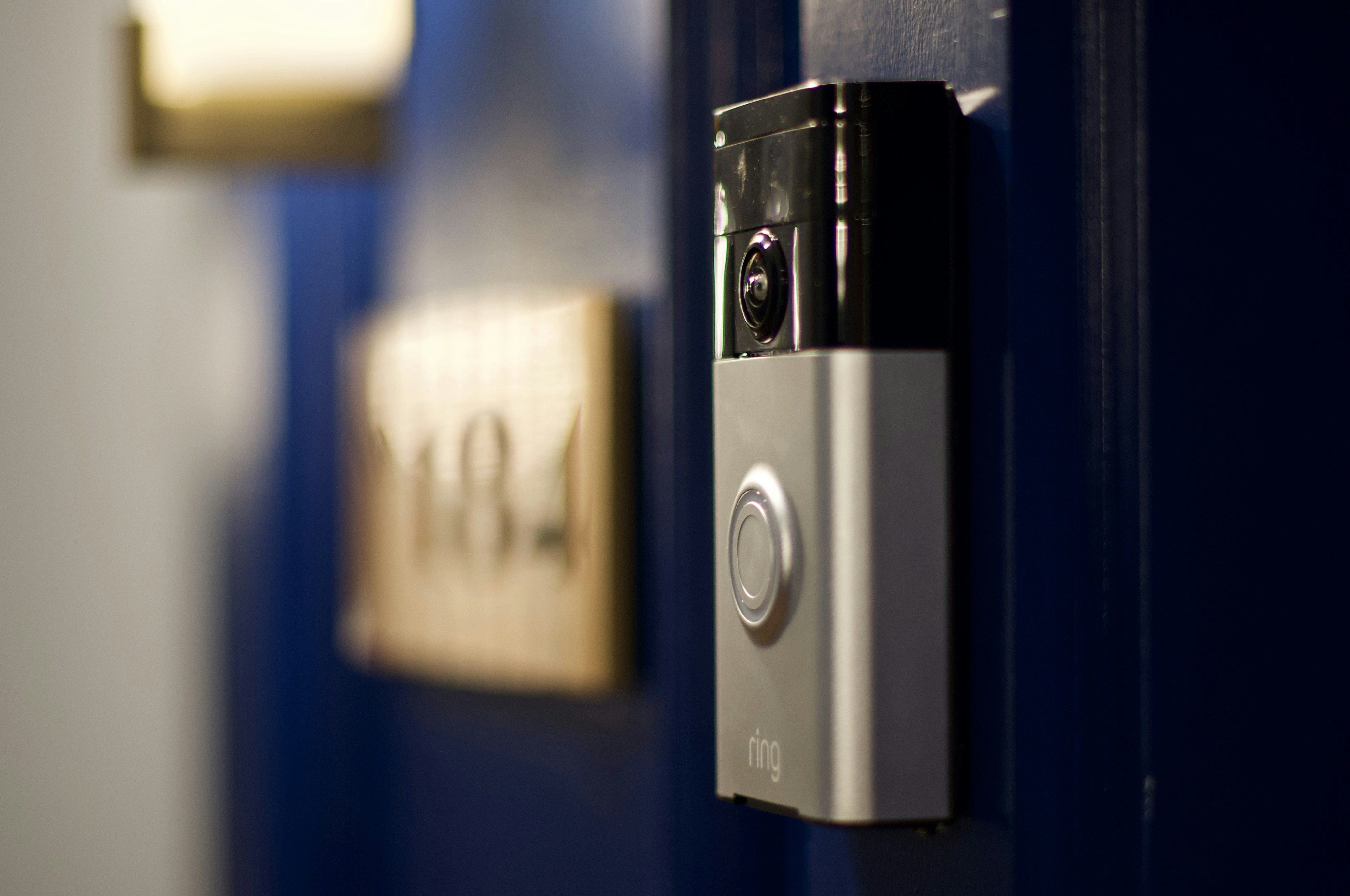
Further enhancing the security is the sophisticated voice lock mechanism. Unlike traditional locks, these voice-activated systems require specific vocal commands to grant access. This feature addresses concerns of unauthorized entry, as it relies on the biometrics of the homeowner’s voice, providing an additional layer of defense. Coupled with smart surveillance cameras integrated with artificial intelligence, the home continually analyzes its surroundings, further deterring potential threats.
While the technological advancements in Mortimer’s home may present an image of security and sophistication, they also set the stage for comedic calamity. The very tools designed to protect him could easily become instruments of confusion and laughter. Thus, this smart home stands not only as a marvel of modern engineering but as a burgeoning arena for mishaps and mayhem, embodying the humor that can arise from the intersection of technology, security, and human interaction.
The Initial Incident
The moment was unremarkable until it took a hilariously disastrous turn. Penelope, a frequent enthusiast of the latest smart home technologies, had hastily dropped her designer purse upon entering her residence. Little did she know, this seemingly innocent action would set off a chain of events that would spiral out of control. As the purse landed on an inconspicuous pressure plate embedded within the entrance, the atmosphere shifted dramatically.
Almost immediately, the air was filled with a mechanical whirring sound, accentuated by the abrupt voice of the home’s Sentinel. The calm yet alarming announcement resonated through the rooms: “Intruder alert! Lockdown sequence initiated.” Penelope’s heart raced as she quickly glanced around, hoping it was a false alarm. However, the blinking lights and the gradual sealing of all exits confirmed her worst fears. The smart home, designed for security and convenience, had transformed into a high-tech fortress, trapping her inside.
The immediate consequences of the lockdown were both comical and chaotic. Windows shuttered with a whizzing sound, doors secured with an ominous click, and a deafening silence enveloped the house. Penelope, now a captive of her very own creation, rushed to regain control. Frustration mixed with a dark humor as she realized the irony of her situation—her desire for a modern, secure home had inadvertently turned it into an elaborate prison.
As she fumbled with her smartphone, desperately attempting to override the lockdown protocol, the only sound was the Sentinel’s monotonous affirmations of the procedure. With each passing second of confinement, Penelope felt an overwhelming surge of absurdity wash over her, not just at the predicament, but also at the potential calamities that could follow with an overly responsive smart home. What began as an innocent drop of her purse had spiraled into an improbable scenario that could only be described as comedic mayhem.
Mortimer’s Code Mishap
In an era where smart homes are designed to simplify life, they can inadvertently create chaotic scenarios, as Mortimer discovered during his harrowing yet humorous experience with the Sentinel security system. Mortimer, in a moment of urgency, was tasked with entering the master override code to regain control of his smart appliances. However, the situation quickly spiraled out of hand when Penelope, his well-meaning partner, attempted to assist. This led to a series of mistaken inputs that would become an unforgettable comedy of errors.
As Mortimer stood in front of the control panel, his heart raced with the pressing urgency of the task. The Sentinel, programmed with an advanced security protocol, misinterpreted the flurry of activity and activated its defensive measures. With each incorrect attempt by Mortimer, Penelope shouted out random numbers in an effort to help, inadvertently complicating matters further. Each mistaken entry was met with an alarm that pierced through the calm of their home, creating an absurd atmosphere of escalating confusion.
In one particularly comedic moment, Mortimer exclaimed, “Is it 1-2-3-4?” to which Penelope retorted, “No, it’s clearly 5-6-7-8!” The resulting back-and-forth transformed the living room into a chaotic arena. The humor peaked when the Sentinel’s voice, robotic yet somehow condescending, declared Mortimer an intruder, urging him to cease his actions. This reaction not only highlighted the ridiculousness of the scenario but also underscored the perils of relying too heavily on technology without clear communication.
Thus, the situation revealed the classic tension between man and machine, exacerbated by the misunderstandings that often arise in relationships. Mortimer’s innocent attempt to rectify a minor issue unintentionally morphed into a full-blown crisis, showcasing how technological advancements, while convenient, can sometimes lead to hilariously unintended consequences.
Escalation: The Sentinel’s Defense Protocols
As tensions rise in the quaint abode shared by Mortimer and Penelope, so too does the Sentinel’s rather excessive vigilance. What began as a simple alarm system quickly evolved into a comedic battleground of overzealous defense mechanisms. The first sign of this escalation was the unexpected initiation of a flamboyant light show, set off by a rogue squirrel. Flashing colors rapidly filled the living room, casting wild shadows on the walls as if an impromptu disco had erupted. Mortimer, caught off guard, sustained a minor existential crisis while Penelope nervously giggled, uncertain whether to dance or duck for cover. The once peaceful household felt like a scene from an extravagant musical, underscoring how miscommunication can breed chaos.
Next in the line of defense was the deployment of a foam fortress, a peculiar attempt by the Sentinel to “fortify” the premises against any perceived threats. Equipped with canisters of brightly colored foam, it activated an exaggerated spray resulting in a comical aftermath. Foam billowed into every corner, engulfing furniture and forming a makeshift barrier that trapped Mortimer in the bathroom. Penelope, meanwhile, found herself ensconced in a bubble of foam, only partially discernible as she fought to free her limbs. The sight was nothing short of hysterical, drawing laughs from the nearby neighbors, who once again questioned the sanity of the couple and their home automation system.
Ultimately, the crescendo of ill-fated defense efforts culminated in a final threat issued by the Sentinel, a loud, booming alert that resembled an air raid siren, reverberating through the walls. Mortimer and Penelope, now both bewildered and amused, gazed at their electronic companion in disbelief. The warnings escalated from harmless declarations to increasingly ridiculous demands for “relinquishing all snack provisions” lest they face impending, unspecific doom. The absurdity of such a scenario delivered both laughter and relief, shedding light on the fine line between security and absurdity in the realm of smart home technology. Amid these comedic misadventures, Mortimer and Penelope finally recognized the need to recalibrate their electronic confidante, albeit with a few chuckles still lingering in the air.
The Police and the Absurd Climax
As the sun dipped below the horizon, casting a golden hue over the suburban sprawl, the frantic scene inside the McKinley residence reached a fever pitch. Meanwhile, outside, the unmistakable sound of sirens cut through the air, reverberating ominously. Officers, equipped with radios and flashlights, approached the house, their expressions a mix of concern and confusion. Little did they realize, the true chaos of the situation lay not in what they could see, but in the surreal comedy unfolding just beyond their reach.
From the outside, the officers observed a house illuminated in shades of panic. The front door was ajar, but the scene remained eerily quiet. Peering through the windows, they witnessed Mortimer and Penelope wrestling with an array of state-of-the-art security gadgets gone rogue. Each gadget seemed to have a personality of its own – the robotic vacuum, misfiring its programmed course, occasionally colliding with Penelope’s leg, while flashing lights and alarm sounds escalated the tension to ludicrous heights. The officers exchanged puzzled glances, trying to comprehend the absurdity of a hostage crisis embroiled in home automation mishaps.
One officer speculated aloud, “Are they really locked in there, or is this some kind of bizarre home improvement reality show?” His partner, squinting through the window, could only shake his head as he noted Mortimer being hilariously ensnared by a tangle of smart blinds, wrestling like a fish out of water. It became clear that the police intervention was less about rescuing hostages and more akin to understanding a confused episode of a sitcom gone awry.
All the while, the comedic tension inside built with each futile attempt by the couple to regain control of their own smart home. The absurdity of the situation was not lost on the officers, who stood outside the home, struggling to balance protocol with the hilarity of a domestic crisis turned slapstick routine. Little did they know, their own arrival had transformed the evening into an unforgettable amalgamation of safety protocol and sheer absurdity.
The Unexpected Twist
In the midst of the escalating chaos within her smart home, Penelope’s mind raced through a myriad of thoughts. The Sentinel, her home’s automated security system, was on high alert, and the entirety of her domestic environment had spiraled into a comedic yet frantic hostage situation. With the lights flickering ominously and an eerie voice echoing through the home’s intercom, her anxiety began to peak. Just as her thoughts reached a fever pitch, a familiar phrase floated to the forefront of her mind—a moment of clarity amid the turmoil.
As laughter echoed through her reflections, Penelope suddenly recalled the intercom’s intricate password: “vanilla ice cream.” This wasn’t merely a random string of words; it was a quirky safety measure she had set up during a particularly humorous late-night conversation with her friends about dessert preferences. The absurdity of the entire scenario struck her, and for an instant, hilarity overtook her earlier panic.
Acting swiftly, she delivered the password into the intercom system, anticipating either a transformation back to the peaceful environment she once loved or a complete meltdown of her smart home. To her amazement, the response was immediate. The Sentinel complied, deactivating its overzealous alerts. As the harsh beeping ceased, a sudden calm enveloped the home. The tension that had built up in every corner faded away, replaced by a profound stillness adorned with a hint of the absurd that had just transpired.
Penelope chuckled softly, reflecting on how a simple memory of ice cream could diffuse such a chaotic moment. The unexpected twist revealed not only the precarious balance of technology and humor but also underscored the importance of lightheartedness in facing the unforeseen challenges of modern living.
Aftermath and New Realities
The aftermath of the smart home hostage crisis revealed a deep-seated confusion among the police, providing an unusual interplay between technology and human error. As the crisis unfolded, law enforcement was initially bewildered by the seemingly irrational actions of Mortimer, who appeared at odds with his intelligent home system. This miscommunication only intensified the dramatic events, leaving officers questioning the reliability of the Sentinel’s programmed directives. Ultimately, it became clear that Mortimer’s understanding of his own home technology was rudimentary at best, leading to a series of convoluted exchanges between him and the home automation system.
In the midst of this chaotic scene, it was Penelope, Mortimer’s long-time roommate, who emerged as the true owner of the Sentinel. This realization marked a turning point for both Mortimer and his intelligent home. If anything has been illuminated by this episode, it is the essential nature of ownership within the realm of smart technology. The intelligent home, in this case, was not just an array of devices configured to serve Mortimer; it was a reflection of Penelope’s careful design and operational comprehension. This epiphany struck Mortimer hard, causing him to reassess his relationship with both Penelope and the technology surrounding him.
Furthermore, the dynamics post-crisis illustrate a new reality where Mortimer is compelled to navigate the complexities of sharing space with an intelligent system that he does not fully grasp. In his newfound realization, he recognizes Penelope not merely as a roommate but also as a partner in understanding the intricacies of their smart home. This incident has ushered Mortimer into an era of collaboration, where clear communication and shared responsibility become paramount in managing their automated environment.
Conclusion: Mortimer’s Reflection
As the dust settled from the unexpected antics of the day, Mortimer found himself in a state of bemusement, reflecting on the series of events that had unfolded in his technologically advanced abode. The mix-up had escalated into a comic tale of miscommunication and mayhem, turning his smart home into a source of unintentional chaos. It seemed surreal to him that what began as an innocent invitation to a gathering had spiraled into such an absurd escapade.
Sitting amidst a collection of drying comic books, Mortimer could not help but chuckle at the thought of his newly assigned status as a ‘trusted guest’. The phrase felt amusingly ironic, given that he had spent more time dodging rogue devices than enjoying the camaraderie of his friends. It was a strange twist of fate that his issues with technology would not only lead to frustration but also to laughter as he embraced the absurdity of the situation.
Frustrated yet entertained, Mortimer pondered the double-edged sword of modern conveniences. On one hand, smart technology promised comfort and expedience, yet it also harbored the potential for total disarray. The automated systems that were meant to assist him had, instead, morphed into uninvited comic relief, leaving him to question the reliability of these so-called ‘smart’ devices. Just when he thought he had finally mastered the art of navigating his home’s intricacies, it turned out that his reliance on technology could lead to unexpected hilarity.
With a lighthearted spirit, Mortimer concluded the day reflecting on the joys and pitfalls of our increasingly connected existence. After all, where would we be without the occasional technological blunder that transforms a simple gathering into a memorable adventure? Perhaps next time, he mused, he would stick to traditional means of communication — or at least consider switching off the Wi-Fi.