Introduction to Interactive Art Installations
Interactive art installations represent a significant evolution in the realm of contemporary art, offering unique experiences that engage participants in meaningful ways. These installations differ from traditional art forms by encouraging viewer interaction, thus transforming passive observers into active participants. This shift in engagement plays a crucial role in how artworks are experienced and understood, fostering a deeper connection between the art and its audience.
At their core, interactive art installations are designed to invite participation and immerse viewers in a dialogue with the artwork. This participatory approach allows individuals to influence the outcome or experience of the piece, blurring the lines between artist and audience. Such installations often employ various mediums, including digital technologies, physical sculptures, and sensory elements, to create intriguing and thought-provoking environments. The dynamic nature of these artworks often leads to varied interpretations and experiences, further enhancing their significance in the art world.
The importance of interactive art installations cannot be overstated, as they challenge conventional perceptions of art. By requiring active engagement, they prompt audiences to reconsider the role of the viewer within the artistic space. This notion of interaction pushes boundaries, inviting spectators to reflect critically on their relationship with art, technology, and their surrounding environment. In contemporary society, where digital interactions are increasingly prevalent, these installations resonate with audiences, reflecting the ways in which technology shapes our experiences.
As we delve into Clementine’s project, ‘The Echo Chamber,’ it becomes evident how interactive art installations serve as a platform for exploration and innovation. Through this lens, we can appreciate not only the artistic merit of such works but also their ability to engage individuals in thoughtful dialogue, ultimately enriching the contemporary artistic landscape.
Clementine: A Protagonist with a Dream
Clementine stands as a vivid representation of the modern art student, characterized by her obsessive commitment to her craft and her desire for authentic expression. As a pretentious yet passionate artist, she often finds herself at odds with the expectations placed upon her by the art community, which she perceives as pervasive yet superficial. Her work, particularly the installation titled ‘The Echo Chamber,’ reflects her pursuits of depth and resonance, both in art and in her own identity.
The motivation behind ‘The Echo Chamber’ stems from Clementine’s exploration of sound as a medium for introspection and connection. For her, sound transcends mere auditory experiences; it becomes a conduit for emotions and memories. Clementine believes that sound can evoke a visceral response, something she strives to achieve through her artistic endeavors. Her intent is to immerse her audience within an auditory landscape that challenges perceptions and invites contemplation, simultaneously provoking both discomfort and enlightenment.
The Concept Behind ‘The Echo Chamber’
‘The Echo Chamber’ is an innovative interactive art installation created by artist Clementine, aiming to provide a unique sensory experience that reflects the viewer’s internal sonic landscape. This installation harnesses the complex interplay between sound and personal introspection, allowing each participant to engage with their own auditory perceptions in a profound manner. By incorporating a variety of soundscapes, Clementine invites visitors to explore the emotional and psychological dimensions of their listening experience.
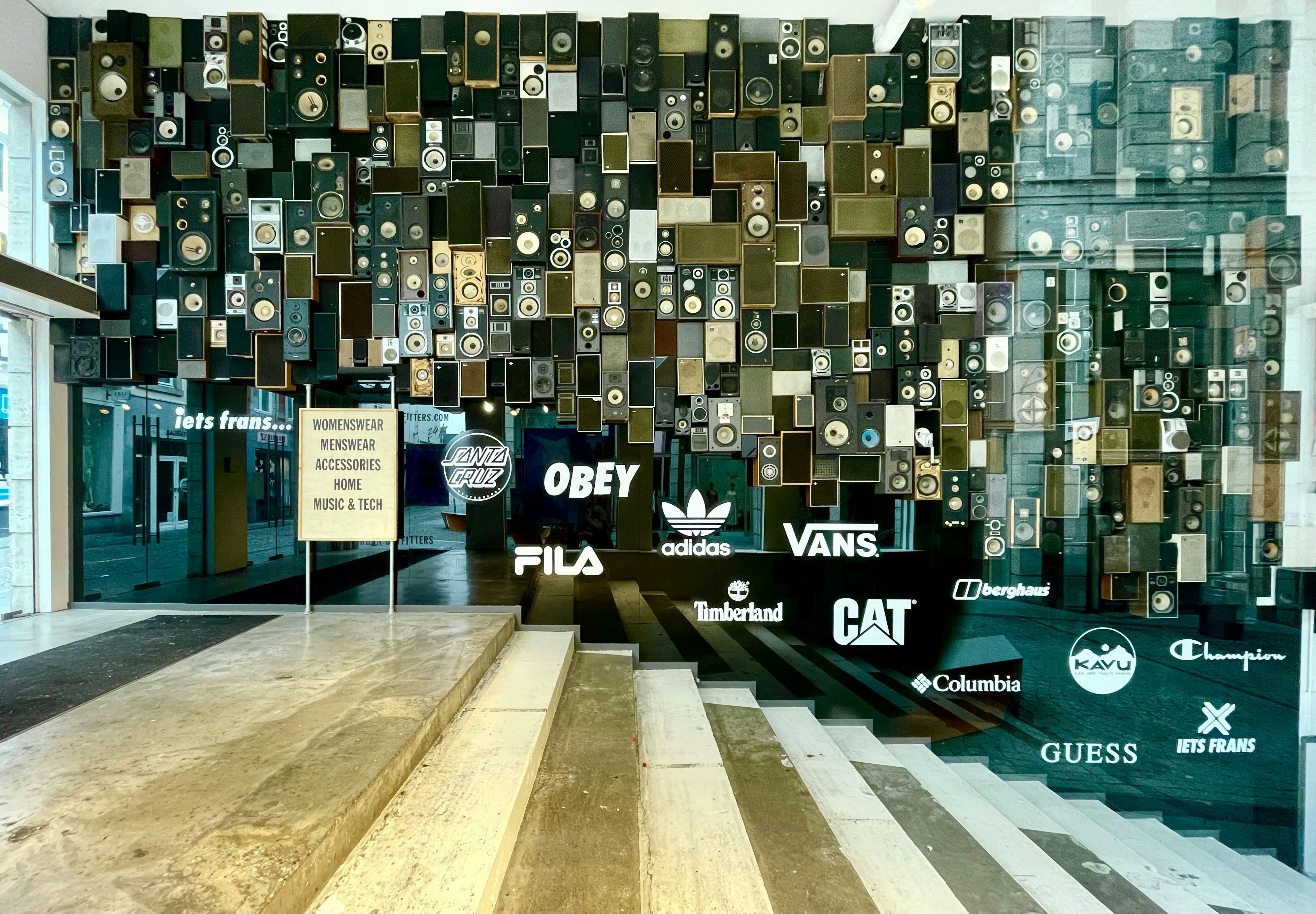
The artistic decisions behind ‘The Echo Chamber’ revolve around the concept of acoustics and the human experience of sound. Clementine employs an array of state-of-the-art technology to craft an immersive environment, utilizing advanced audio engineering and spatial sound techniques. The installation includes directional speakers that create a 3D sound field, enveloping visitors in a rich tapestry of sound that resonates with their thoughts and emotions. This environment is designed to provoke a transformative experience, encouraging introspection through auditory stimulation.
Furthermore, the design emphasizes interactivity, as viewers are not merely passive observers but active participants within the soundscape. As visitors move through the space, their movements alter the sound, creating a dynamic feedback loop that represents their individual sonic landscape. This interactivity not only enhances engagement but also fosters a deeper connection between the artwork and the viewer. The result is a personalized journey where each person can reflect on their inner feelings and thoughts, transformed through sound in a manner unique to their own experiences.
Through ‘The Echo Chamber’, Clementine wonderfully illustrates the power of sound as a medium for personal transformation, offering an enriching exploration of how we perceive and interact with our auditory environment.
Setting the Scene: The Gallery Opening
The gallery opening for Clementine’s interactive art installation attracted a diverse crowd, highlighting the intersection of contemporary art and sensory experience. As attendees filtered into the expansive, well-lit space of the major contemporary art museum, the atmosphere was charged with anticipation. The rhythmic murmur of conversation was interspersed with occasional bursts of laughter, yet an underlying tension permeated the air—a palpable sense of judgment from the gathered critics and potential buyers. Each visitor, adorned in the latest fashion, seemed to carry an air of superiority, their expressions ranging from intrigued curiosity to dismissive scrutiny as they maneuvered through the installations.
Clementine, the artist at the center of this moment, found herself engulfed in the myriad reactions to her work. The sleek, minimalist design of the gallery provided a stark backdrop for her vibrant installation, drawing visitors closer, yet it seemed to heighten the intensity of their appraisal. Observers stood poised with notebooks or digital devices, capturing their thoughts on the experience, while others leaned in to whisper critiques to companions. This whirlwind of analysis made the atmosphere feel almost suffocating, amplifying the weight of expectation that rested on Clementine’s shoulders.
The spectrum of responses ranged considerably. Some guests were visibly delighted, engaging with the interactive elements of her work, while others maintained a critical distance, leveling unanswered questions regarding her artistic intentions. In this high-stakes environment, Clementine wrestled with the fear of inadequacy, often grappling with the thought that her artistic expression might not resonate with the very audience she sought to engage. The exhilarating yet daunting nature of a gallery opening forced her to confront the complexities of public reception in the world of contemporary art.
The Disaster Strikes: Electrical Interference
During the installation of Clementine’s interactive art project, a seemingly innocuous yet pivotal moment unfolded that threatened to derail her artistic vision. The unexpected source of this disruption was a catering microwave situated nearby, which began to emit electrical interference, disrupting the carefully curated soundscapes that were the crux of her work. Entertainment technology and the arts often intermingle, but this incident unveiled the often-overlooked vulnerability of artistic expressions to external, uncontrollable factors.
As the installation was set to launch, the microwave activated, sending out a surge of electromagnetic interference that rendered the sound components erratic and unpredictable. The intended immersive experience, designed to engage attendees in a harmonized interaction with sound and visuals, was dismantled in an instant. Instead of a seamless blend of melodic nuances, the audience was met with jarring distortions that abruptly shifted the tone of the experience. This unexpected failure not only disrupted the technical elements but also cast a shadow over the emotional connection Clementine sought to establish with her audience.
The chaos that ensued was multifaceted, as guests reacted with confusion and disappointment, undermining the impact of hard work invested in the installation. For Clementine, the incident was indicative of a deeper issue—her belief that art could reveal profound truths about human emotions and connections was momentarily overshadowed by technical limitations. The microwave incident served as a powerful reminder of how fragile the connection between technology and artistic intention can be. The interaction between audience and art, which Clementine had meticulously engineered, was abruptly transformed into a stark reminder of the unpredictability inherent in creative pursuits. Despite the setback, the experience also opened the door for future explorations into overcoming such challenges in the intersection of art and technology.
The First Attempt: Agnes and ‘Solipsism’
The journey into Clementine’s interactive art installation begins with an unexpected twist, courtesy of Agnes, the inaugural participant. With a blend of curiosity and uncertainty, she approaches the installation, intrigued yet slightly apprehensive about the nature of her interaction. Armed with an instruction that feels deceptively simple, she boldly whispers the word ‘solipsism’ into the installation’s microphone, expecting to uncover profound insights or perhaps a deep philosophical exploration. Instead, she is met with a cacophony of stock sound effects, which are incongruous with the weighty philosophical concept she had invoked.
The immediate output shocks Agnes; the whimsical nature of the sounds—ranging from cartoonish boings to overly dramatic horror effects—results in an unintended comedic experience. Rather than the profound discourse she had anticipated, Agnes finds herself enveloped in an absurd atmosphere, her initial expectation clashing hilariously with the reality of the situation. The engaged audience collectively erupts in laughter as the juxtaposition of the profound and the trivial unfolds before them. Agnes, initially bewildered, quickly transitions from confusion to amusement, embodying the spirit of the installation itself, which seeks to explore the unexpected intersections of art and sound.
This humorous misalignment further illustrates the inherent unpredictability of interactive art installations. “Solipsism,” often regarded as a weighty philosophical assertion about the self and its perception of reality, loses its heavy gravitas in the presence of frivolous sound effects. Agnes’s experience not only highlights the playful nature of Clementine’s work but also sets the tone for future participants, inviting them to embrace a similar spirit of exploration and spontaneity. The journey that Agnes commenced serves as a prelude to the unfolding hilarity, setting the stage for what is to come.
Escalating Comic Misunderstandings
The interactive art installation created by Clementine serves as a fertile ground for exploring the nuances of human interaction, specifically through the lens of absurdity and misunderstanding. As different participants engage with the installation, their unique interpretations lead to a series of comic disasters that escalate rapidly, culminating in a crescendo of chaos. The first participant, a sculptor with an earnest vision, enters with a palpable sense of angst regarding his work’s reception. He misinterprets the interactive prompts, believing they invite him to physically alter the installation instead of simply engaging with it artistically. As he attempts to reshape elements, his actions bewilder onlookers, conjuring imagery that elicits laughter rather than appreciation. Consequently, his angst transforms into an exaggerated performance of frustration, highlighting the inherent absurdity of his situation.
Following him is a wealthy patron, who, equating the artistic experience with his financial power, confronts the installation with a sense of aporia—a state of puzzlement. Instead of participating, he insists on critiquing the installation’s value while obliviously triggering a series of sound effects that amplify the ludicrousness of his musings. His comments become increasingly detached from the actual interaction, as he proclaims the installation to be a metaphor for societal disconnection, oblivious to the uproar of laughter erupting around him. This misalignment of intention versus perception serves to underscore the comedic potential inherent in misunderstandings.
Each of these failed attempts by participants not only amplifies the chaos surrounding Clementine’s creation but also magnifies her mounting desperation. As she witnesses the unfolding absurdity, the conflict between her artistic vision and the audience’s engagement exemplifies the fine line between art and comedy—making her installation a living testament to the unpredictability of human interaction. The journey through these comic misinterpretations reveals how misunderstandings bridge the gap between art and the audience, culminating in a shared experience of laughter amidst confusion.
The Artist’s Intervention Gone Awry
As the vibrant atmosphere of the interactive art installation enveloped the attendees, an unexpected commotion erupted. The sounds of laughter mixed with frenetic chatter reached a fever pitch. Amidst this joyous chaos, Clementine, the artist behind the installation, found herself increasingly anxious about ensuring the experience remained aligned with her creative vision. Her instinct to assert control kicked in, driving her to the booth where the sound was managed. In a moment of desperation, she shouted a command for ‘silence’ into the microphone, hoping to restore a semblance of order.
However, this urgent plea delivered an ironic twist. Rather than bringing quietude to the scene, her command set off a humorous chain reaction. The installation, designed to loop sounds in an unpredictable manner, interpreted her frantic request for silence as a cue to amplify her voice. Thus, her cry for calmness echoed throughout the venue, resulting in her own words looping repetitively in a comedic fashion. The juxtaposition of the artist’s plea with the raucous environment only fueled the audience’s enjoyment, transforming a moment of panic into an unexpected highlight of the evening.
Attendees responded with uproarious laughter, reveling in the absurdity of the situation. The irony of an artist seeking silence only to have her voice celebrated in an exhilarating cacophony did not go unnoticed. Rather than detracting from her artwork, this unplanned intervention enriched the experience, revealing how art can evolve in unexpected ways. Clementine’s attempts to regain control morphed into a testament to the unpredictable nature of interactive art. This incident underscored the very essence of her installation: a joyful exploration of sound and the human response to chaos. The incident served as a poignant reminder of art’s ability to surprise, entertain, and bring people together, even in the midst of turmoil.
The Absurd Resolution and Unexpected Praise
As the narrative builds towards its climax, Clementine finds herself ensnared within her own interactive art installation, creating a scene that blurs the lines between art and reality. This peculiar moment unfolds in a gallery populated by diverse guests, each confronted with a dilemma: do they succumb to laughter at the absurdity of the situation, or do they intervene and call for help? The juxtaposition between humor and seriousness becomes a focal point, prompting an exploration of societal responses to crises dressed in artistic attire.
Compounding this tension is the arrival of Agnes, a noted art critic whose opinions carry considerable weight in the artistic community. Rather than condemning the entrapment as a failure of execution, Agnes positions the incident as a profound commentary on the overwhelming noise permeating modern technological interactions. She articulates how Clementine’s installation challenges viewers to reflect on their relationship with sound in an increasingly digital environment. This insightful interpretation takes both Clementine and her professor by surprise, as they had not considered the piece in this light.
Agnes’s unexpected praise reframes the chaos within the gallery. What initially seemed like a moment of crisis transforms into a celebration of the very absurdity that Clementine aims to explore. This twist serves to highlight the ability of art to provoke thought and discussion, often resulting in unforeseen conclusions. As the audience grapples with the significance of this performance, they become participants in an ongoing dialogue about the role of technology in daily life, the nature of humor, and the depths of artistic expression.
Ultimately, this surreal experience prompts both the installation’s creator and the observers to delve deeper into their understanding of laughter in relation to distress. The night concludes not merely with a resolution but invites profound contemplation on the intertwining of art, technology, and human emotion.
Conclusion: Redefining Artistic Success
In reflecting on the outcomes of the gallery opening, it becomes clear that Clementine’s interactive art installation has redefined traditional notions of artistic success. Typically, success in the realm of art is measured by acclaim, prestige, and the seamless execution of ideas. However, Clementine’s journey through her installation demonstrates that success is multifaceted and can take surprising forms. Her unique approach invites observers to engage not only with her art but also with the very notion of what it means to be successful as an artist.
Clementine’s experience at the gallery exemplifies the idea that what one may perceive as failure can transition into unexpected acclaim. Artistic endeavors often carry the weight of expectation, and many creators fear the negative judgment of their audience. Yet, through her bold exploration of sound and humor, Clementine seamlessly proved that the outcomes of one’s endeavors do not always need to align with conventional standards. Embracing the unpredictable nature of her installation resonated with visitors, leading to a deeper understanding of the artistry involved in even the most chaotic experiences. Her realization underscores the importance of embracing imperfections as potential catalysts for creative innovation.
Looking ahead, Clementine expresses her intention to delve into the realm of appliance malfunctions in her future work. This playful and humorous engagement with failure hints at the potential for deeper commentary on consumerism and society’s reliance on technology. By focusing on these themes, she aims to continue pushing boundaries within her artistic practice. Ultimately, her journey encourages fellow artists to challenge the conventional metrics of success, recognizing that the most meaningful experiences can arise from the unexpected and imperfect. This paradigm shift not only opens new avenues for creativity but also fosters a more inclusive understanding of artistic achievement.