Introduction to Chef Antoine Dubois
Chef Antoine Dubois is a distinguished figure in the culinary world, celebrated for his innovative approach to cooking that reinterprets traditional dishes through the lens of deconstruction. Born in Lyon, France, a city renowned for its rich gastronomic heritage, Dubois developed an appreciation for fine ingredients and cooking techniques at a young age. He honed his skills in prestigious kitchens across Europe, where he learned to balance innovative flavor profiles with meticulous presentation.
What sets Dubois apart is his signature style, which emphasizes not only the taste of each dish but also its visual appeal. His culinary philosophy revolves around the idea that food should be an experience that engages all the senses. Dubois meticulously constructs each plate to maximize aesthetics while retaining classic French flavors, aiming to create a dining experience that is both thought-provoking and satisfying. He believes that food serves as a form of art, and he strives to recreate familiar tastes in unexpected forms, encouraging diners to revisit their perceptions of what constitutes a meal.
As the global culinary community eagerly anticipates his upcoming exclusive tasting event, Dubois is preparing to showcase a selection of his most iconic deconstructed dishes. This event not only serves as a platform for him to display his unique culinary vision but also invites guests to partake in an intellectual exploration of flavor and presentation. Through this tasting experience, Dubois aims to challenge diners to engage with their food on a deeper level, making it a fitting prelude to the ongoing conversation around modern gastronomy. With each dish, he hopes to inspire others to appreciate the intricate relationship between food aesthetics and culinary artistry.
Setting the Scene: The Six-Star Restaurant
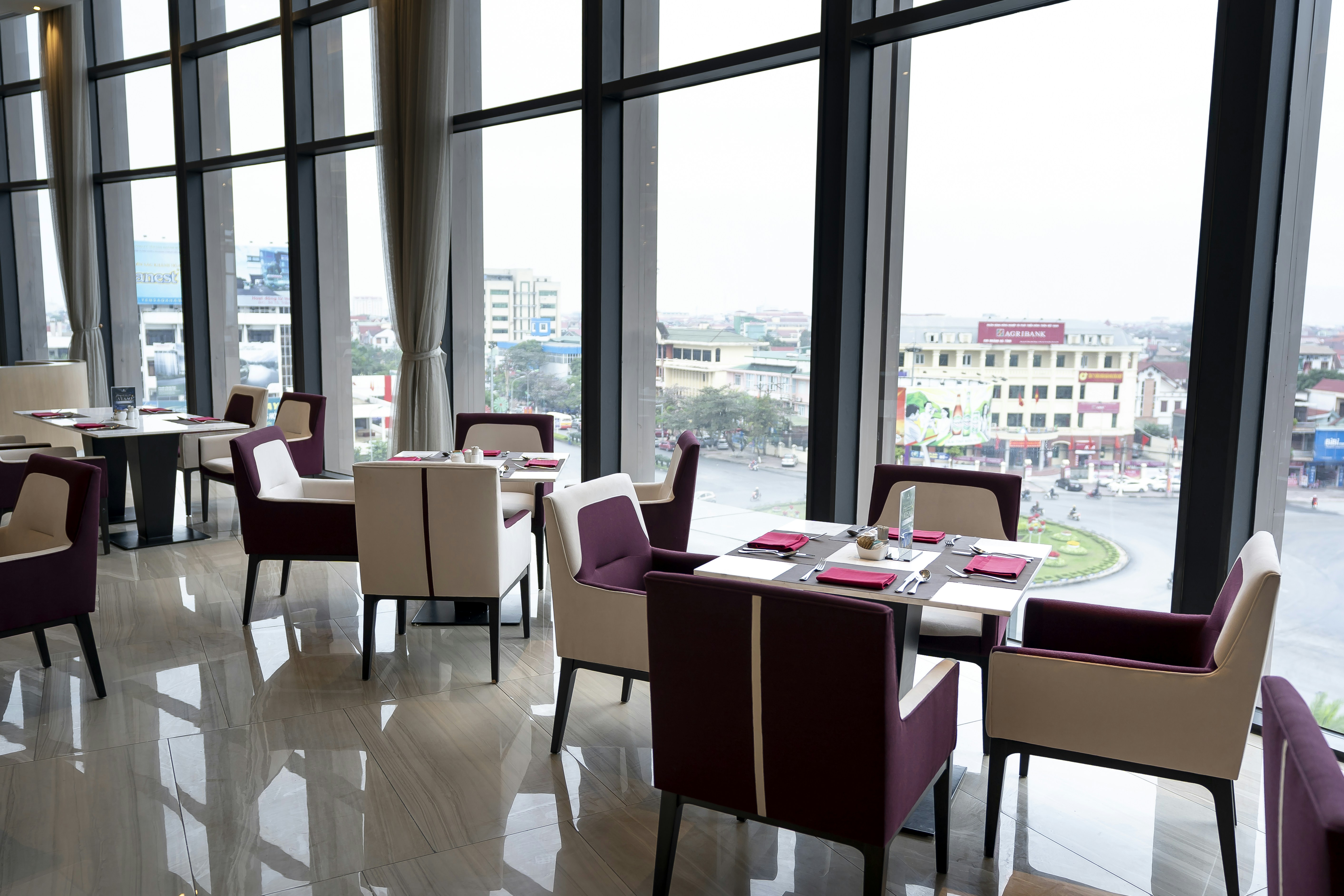
Chef Antoine’s six-star restaurant is a paragon of culinary excellence, a meticulously curated environment that operates at the intersection of artistry and science. The moment one steps into the premises, an immediate sense of serenity envelops the senses. The kitchen, the heart of this gastronomic haven, showcases a clean and orderly design where every element has its purpose. Stainless steel surfaces gleam under strategically placed, soft ambient lighting, casting a warm glow that highlights the pristine organization of the workspace.
Every piece of equipment within this kitchen is state-of-the-art, reflecting Chef Antoine’s commitment to innovation in haute cuisine. High-performance induction cooktops await use, providing rapid heat adjustments, while precision ovens stand ready to ensure perfect cooking temperatures for the most delicate or robust dishes. Knife racks, adorned with custom-made, exceptionally sharp tools, exhibit Antoine’s belief that excellence begins with the right preparation. Each utensil, each pan, and each container is carefully selected and masterfully arranged, signifying Antoine’s meticulous attention to detail.
The ambiance transcends mere functionality; it is a living expression of Antoine’s culinary philosophy. This serene environment allows for focus and creativity, essential qualities for a kitchen of this caliber. The walls, adorned with framed accolades and serene artwork inspired by nature, foster inspiration among the culinary team. Here, silence is golden, punctuated only by the gentle sounds of boiling liquids and the rhythmic chopping of vegetables, contributing to an atmosphere of unwavering concentration and dedication to the craft.
Chef Antoine’s six-star restaurant is more than just a dining venue; it is a sanctum of culinary creativity where the highest standards are not only upheld but celebrated. Every gentle flicker of the lighting and every meticulously organized kitchen tool reflect the passion and precision that define this extraordinary establishment.
The Exclusive Tasting Event
The exclusive tasting event is integral to the culinary landscape, serving as a platform for chefs to showcase their gastronomic creations to a select audience, including tastemakers and influential critics. On this significant occasion, the atmosphere is charged with anticipation as the fate of the restaurant often hinges on the reviews and impressions formed during the event. Notably, the presence of Vera Stone, a prominent and notoriously discerning food critic, adds an unprecedented level of pressure for the participating chefs. Her reviews are known to shape restaurant resurgences or catastrophes, making her attendance a double-edged sword.
For Antoine, the head chef, this event represents both an opportunity and a challenge; he must impress not only the patrons present but also Vera, whose piercing palate can elevate a dish to stardom or condemn it to obscurity. The stakes are sky-high as he prepares his culinary masterpiece, the ‘Single Tear of Foie Gras with Vaporized Truffle Dust.’ This dish epitomizes Antoine’s artistry, designed to encapsulate the sublime essence of French cuisine while pushing the boundaries of modern culinary techniques.
The preparation for this tasting necessitates meticulous attention to detail, as Antoine must synchronize each element of the dish to ensure that it resonates with Vera’s lofty expectations. This process intensifies not just the pressure Antoine feels, but also his aspirations as a chef. With each delicate layer of the foie gras and the tantalizing aroma of the vaporized truffle dust, he hopes to create a memorable experience that will not only impress Vera but also secure the future of his restaurant. Ultimately, the success of this exclusive tasting event hinges on Antoine’s ability to deliver a dish that transcends mere sustenance and enters the realm of culinary art, leaving an indelible mark on those fortunate enough to experience it.
The Precision Challenge: The Tear of Foie Gras
The centerpiece of the culinary event is undoubtedly the elaborate dish known as the ‘Tear of Foie Gras.’ This creation is not only a showcase of culinary skill but also a test of precision and artistry. The design focuses on the delicate arrangement of foie gras, which is meticulously crafted to resemble a tear. This intricate presentation involves not only the foie gras itself but also a carefully curated selection of accompaniments, including fruit purées and microgreens, that complement its rich flavor while enhancing the visual appeal of the dish.
Presenting the Tear of Foie Gras requires a steady hand and an unwavering commitment to maintaining balance. It is essential that the plate remains level during the serving process. If the plate tilts even slightly, the delicate arrangement can be disrupted, resulting in a significant compromise of the dish’s aesthetic integrity. The visual presentation is a vital component of the experience; it is meant to evoke a sense of elegance and refinement. Any instability in the presentation could lead to a loss of its intended impact, leaving the judges and guests unimpressed.
The stakes associated with serving the Tear of Foie Gras perfectly are exceptionally high. Not only does it serve as a benchmark for culinary excellence, but it can also determine the overall success of the event. One misstep in execution could result in a dish that fails to meet the standards expected in such a prestigious setting. As such, chefs must approach this task with the utmost seriousness, ensuring that everything from the plate’s angle to the positioning of each element is executed flawlessly. The importance of precision in this culinary endeavor cannot be overstated, as it ultimately reflects the chef’s skills and creativity.
Meet Kevin: The Nervous Apprentice
Kevin, a fresh face in the bustling kitchen of Antoine’s renowned restaurant, represents the quintessential nervous apprentice. His wide eyes and fidgeting hands often reveal the anxiety that shadows his every task. Having enrolled in culinary school a mere six months ago, Kevin’s enthusiasm for cooking is somewhat overshadowed by his trepidation when operating in high-pressure environments. His excitement to learn from a seasoned chef like Antoine is palpable, yet it is frequently interlaced with fear of failure and the complexities of a professional kitchen.
To combat these feelings of unease, Kevin utilizes a pair of noise-cancelling headphones, which he wears while prepping the ingredients and cooking. The constant sounds of pots clattering, timers beeping, and colleagues exchanging quick instructions create a disorienting atmosphere. By isolating himself in a cocoon of silence, Kevin finds a measure of clarity amid the chaos, allowing him to concentrate on the delicate art of culinary creation. This unique coping mechanism has touched upon both the strengths and weaknesses inherent in his novice status.
On this particular day, Kevin has been assigned a task critical to the evening’s service: transporting an intricately prepared dish crafted by Antoine himself to the dining room. The dish, an elaborate arrangement of flavors and textures, is the centerpiece of the evening’s menu. The pressure of this responsibility weighs heavily on Kevin’s shoulders. Knowing that any misstep could result in an unsalvageable disaster not only for the dish but also for Antoine’s reputation adds to his anxiety. As he readies himself for the task ahead, Kevin must summon all his focus and bravery to navigate the intricate workings of the kitchen while striving to prove his worth as an aspiring chef.
The Catalyst: Physics in the Kitchen
In the chaotic atmosphere of culinary preparation, even the most minor disturbances can precipitate significant consequences. This reality is exemplified through an incident involving Kevin, a chef with an established reputation for precision and detail. While maneuvering through the kitchen carrying a meticulously prepared dish, he unwittingly encounters an invisible drip of oil on the floor. This seemingly insignificant slip is emblematic of the physical forces at play in a bustling culinary environment, where friction, momentum, and gravity intersect in ways that can lead to chaos.
As Kevin steps onto the slick surface, his foot loses traction, altering his center of gravity. This minor disruption is amplified by the dish he carries, which is both visually appealing and intricate in composition. The sudden slip causes Kevin to instinctively shift his weight, initiating a chain reaction. The dish, once secure in his grasp, teeters precariously, threatening to fall. The laws of physics dictate that any object in motion will remain in motion unless acted upon by a force, and in this instance, the force is the momentum that Kevin has developed while walking.
What may appear to be a straightforward stumble magnifies into a series of unfortunate events. The dish, which represents hours of hard work, teeters dangerously on the brink of disaster. Kevin’s immediate instinct is to rectify the situation, but his efforts may only exacerbate the predicament. The interaction with the oil becomes a critical point of failure, demonstrating how vulnerable culinary creations can be to the forces of nature. A minor slip has the potential to unravel an entire evening’s preparation, showcasing the delicate balance required in a kitchen setting.
Chaos Unleashed: The Dish Detonation
The culinary environment, typically synonymous with precision and grace, erupted into an unforeseen cacophony the moment Kevin’s slip occurred. As the plate wobbled perilously, every chef in the kitchen felt an unsettling tension fill the air. Time seemed to stand still as the ‘Tear of Foie Gras’, a meticulously prepared dish, reached the zenith of its unfortunate trajectory. The separation from its plate was almost poetic, yet horrifying—a microcosm of culinary aspirations spiraling out of control.
Then, with a resounding crash, the dish detonated against the ceiling, leaving behind an abstract art piece more reminiscent of a food fight than haute cuisine. The rich textures and delicate flavors of the dish, intended to evoke a masterpiece of culinary engineering, transformed into a chaotic mess. Foie gras splattered across the kitchen, mingling with sauces and garnishes, creating a surreal landscape of culinary debris that would haunt every chef involved.
In the aftermath, the kitchen—as pristine as a well-furnished canvas—was now an arena of culinary catastrophe. Staff hurried to navigate the confusion, scrambling to salvage their culinary credibility amidst the chaos. Glistening knives clattered down, and pots toppled over, reverberating through the air like a symphony of disarray. The aromatic scents that once filled the space morphed into an overwhelming scent of desperation, as vibrant flavors dripped from the high ceilings, and the once-cohesive team struggled against the fallout of Kevin’s mishap.
This explosion of culinary ambition illuminated the fragility of high-stakes cooking environments, where one small slip could transform artistry into utter calamity. The kitchen, a bustling hub of creativity, found itself grappling with the aftermath of this unforeseen dish detonation, reminding all present of the ever-present chaos lurking behind the veil of culinary mastery.
The Truffle Tsunami: A Culinary Blunder
The use of automated systems in modern kitchens has gained significant traction, particularly with the emergence of truffle dust delivery mechanisms designed to offer precision and ease. However, the incident involving the automated truffle dust delivery system demonstrates how technology can sometimes exacerbate chaos rather than alleviate it. During a critical moment in the kitchen, the automated system malfunctioned, resulting in an unforeseen outpouring of truffle dust that completely engulfed the culinary space.
As the cooking process intensified, the automated machine erroneously misinterpreted the demand signals, mistakenly releasing an excessive quantity of truffle dust into the atmosphere. This erratic response transformed the kitchen into a dense fog of aromatically rich yet overwhelming truffle dust. The cloud of fine particles not only limited visibility but also compromised the chef’s ability to accurately gauge the other ingredients, leading to further complications in the culinary endeavor.
The effects of this sudden truffle tsunami were far-reaching. Not only did the chefs struggle to maintain their focus in the thick haze, but the overpowering scent also caused confusion regarding the correct balance of flavors, essentially distorting the intended culinary vision. ingredients became indistinguishable amidst the pervasive aroma, steering the dish into a direction no one had planned on pursuing. Consequently, the culinary endeavor resembled a comedic disaster rather than the carefully crafted experience that was initially envisioned.
Ultimately, this incident highlights the risks associated with relying too heavily on automated systems in fine dining. While technology offers convenience and efficiency, it can also introduce an unpredictable element that has the potential to derail an entire kitchen’s operations. Such erratic responses from what should be a precise delivery system serve as a pertinent reminder of the importance of maintaining a balanced approach to culinary innovation.
The Unexpected Climax and Absurd Resolution
The tension reached its peak during the climactic moment of the disastrous dinner where chaos reigned supreme. Kevin, the hapless chef, stood frozen in shock as the consequences of his culinary misjudgments unfolded in real time. His mind raced with thoughts of how he could salvage the situation, but his body was paralyzed by disbelief. All around him, the diners were grappling with their own reactions to the unfolding calamity, with varying degrees of amusement and horror.
Vera, a renowned food critic known for her eccentric tastes, arrived just as the atmosphere reached its peak absurdity. Glancing around, she assessed the scene, which culminated in her own unique interpretation of the events. To her, what had transpired was not a failure but rather a bold and deliberate artistic statement on the fragility of food and the unpredictability of flavor. Declaring the evening a revolutionary exploration of culinary boundaries, she proceeded to pen a rave review, heralding the evening as a landmark event in modern gastronomy.
Vera’s perception transformed the narrative entirely, illustrating how art can emerge from unexpected disasters, leaving everyone in attendance baffled yet enthralled by the unexpected nature of the night. This absurd resolution ultimately encapsulated the themes of creativity and chaos intertwined within the realm of culinary endeavors, showcasing the unpredictable nature of gastronomy itself.
Lessons Learned: From Disaster to Promotion
The culinary world is known for its unpredictability, yet it is precisely this unpredictability that can lead to surprising outcomes. Antoine’s recent experience at the restaurant serves as a vivid reminder of how a seemingly catastrophic event can yield unexpected praise and even fortune. What began as a disastrous mishap in the kitchen took an ironic turn when Vera, the esteemed food critic, praised the very dish that had unraveled in a series of unfortunate blunders. This response caught Antoine off guard, shaking his preconceived notions of culinary success.
Kevin, the underappreciated assistant chef, emerged as an unlikely hero from the chaos. His decision to embrace the disaster rather than hide it showcased a different approach to cooking—one that values authenticity and creativity over flawless execution. The calamity that unfolded led to a revelation not just for the staff, but also for Vera, who perceived a rawness in the dish that resonated with the modern palate. This shift in focus from traditional perfection to genuine expression highlights an evolving culinary landscape which often values innovation spurred by failure.
Antoine’s newfound perspective on culinary artistry was shaped profoundly by this incident. He recognized that the unexpected interplay of flavors and the creative factors arising from a disaster can sometimes lead to extraordinary results. Through this experience, he learned that success in the kitchen does not solely lie in precise adherence to recipes or techniques, but in the ability to adapt and evolve. Antoine is now more inclined to experiment and to reconsider what excellence in cooking truly means. Ultimately, the juxtaposition of a disaster leading to Kevin’s promotion invites all culinary professionals to reflect on their approaches, encouraging a culture where creativity and resilience flourish amidst challenges.